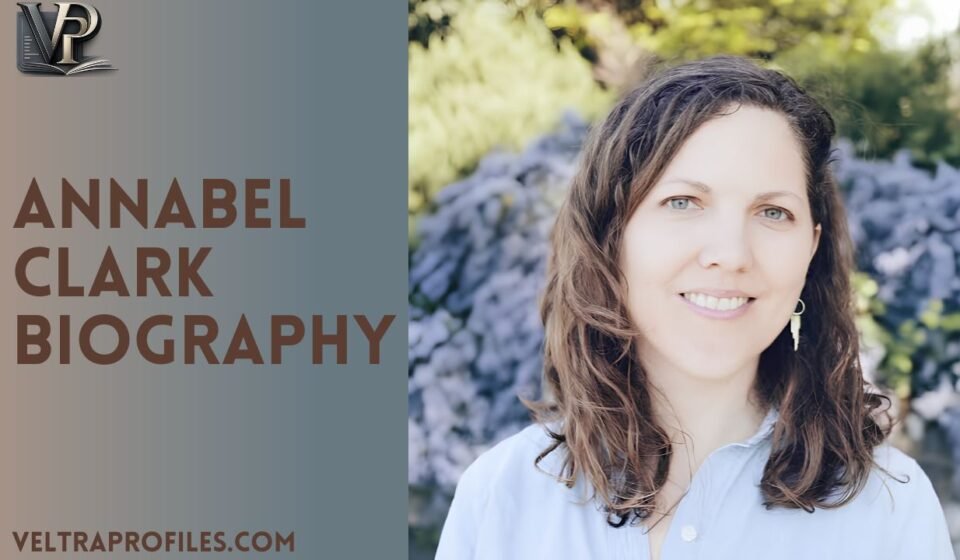

Most photography students spend their final semester chasing a safe, polished thesis project, something impressive enough for a portfolio but distant enough to protect. Annabel Clark did the opposite. She turned her camera toward her own mother during chemotherapy, choosing raw honesty over comfortable distance, and that single decision quietly reshaped the rest of her career.
Today, she’s known as one of the more thoughtful voices in American documentary photography, someone editors at The New York Times, The Washington Post, and The Guardian trust with genuinely sensitive stories. But her path there wasn’t built on flashy technique or viral moments. It grew out of patience, proximity, and a willingness to sit with difficult subjects long enough to earn real trust. This article traces her full journey, from a creatively rich childhood in Topanga, California, through her formal training at Parsons School of Design, all the way to her recent work documenting a transgender custodian’s life for The Washington Post.
Annabel Clark has spent her career pointing a camera at the moments most people look away from. Illness, transition, vulnerability, and quiet resilience all show up in her frame. This article walks through her full story, from a childhood in California to a career built on documentary photography that hospitals, newspapers, and galleries now rely on. You’ll find real facts, real quotes, and real context throughout, not just a surface-level bio.
Who Is Annabel Clark?
Annabel Clark works as a documentary photographer and portrait photographer, based between Seattle, Washington, and New York City. Her focus areas span health, politics, travel, and culture, a combination that reflects how broadly she’s built her editorial career over the past two decades. She’s not a photographer chasing trends. She’s built a body of work around patience, access, and trust with her subjects.
Read more: /rachel-chagall-biography/
Her career took a defining turn early, during her final term at Parsons School of Design, when a deeply personal project became a nationally published photo essay. That project set the tone for everything that followed: an approach rooted in intimacy rather than spectacle. Major outlets including The New York Times, The Guardian, The Washington Post, and The Wall Street Journal have since published her assignment work, alongside commercial clients like the Robert Wood Johnson Foundation and Open Society Foundations. She’s also built a respected teaching practice, training the next generation of photographers at Photographic Center Northwest and Cornish College of the Arts in Seattle.
Quick Bio info
| Field | Details |
|---|---|
| Full Name | Annabel Clark |
| Nickname | Not publicly disclosed |
| Gender | Female |
| Date of Birth | July 5, 1981 |
| Age | Not publicly disclosed |
| Birthplace | Topanga, California, USA |
| Hometown | Topanga, California |
| Current Residence | Seattle, Washington (also maintains presence in New York City) |
| Nationality | American |
| Ethnicity | White |
| Religion | Not publicly disclosed |
| Education / Qualification | BFA in Photography, Parsons School of Design (2003) |
| Profession | Documentary and portrait photographer, photography instructor |
| Languages Spoken | English |
| Hobbies & Interests | Street photography, teaching, health and social-issue storytelling |
| Marital Status | Not publicly disclosed |
| Spouse / Partner | Not publicly disclosed |
| Children | Not publicly disclosed (referenced as a parent in personal writing, no details confirmed) |
| Father’s Name | Not publicly disclosed |
| Mother’s Name | Lynn Redgrave (actress, deceased) |
| Siblings | Not publicly disclosed |
Physical Appearance
| Field | Details |
|---|---|
| Height (Feet/Inches) | 5 feet 5 inch |
| Height (cm) | 165cm |
| Weight (kg) | 60kg |
| Weight (lbs) | 132lbs |
| Eye Color | Blue |
| Hair Color | Golden |
| Body Type | Healthy |
| Skin Tone | Fair |
Personal information
Full Name
Annabel Clark is her full name.
Nickname
Her nickname has not been publicly disclosed.
Gender
Annabel Clark is female.
Date of Birth
She was born on July 5, 1981.
Age
Her current age is 45 years old.
Birthplace
She was born in Topanga, California, USA.
Hometown
Her hometown is Topanga, California.
Current Residence
She is reported to live in Seattle, Washington, with a presence in New York City.
Nationality
She is American.
Ethnicity
Her ethnicity is reported as White.
Religion
Her religion has not been publicly disclosed.
Education
She earned a BFA in Photography from Parsons School of Design in 2003.
Profession
She works as a documentary and portrait photographer and also teaches photography.
Languages
She speaks English.
Hobbies & Interests
Her interests include street photography, teaching, and health and social-issue storytelling.
Marital Status
Her marital status has not been publicly disclosed.
Spouse / Partner
No confirmed information about her spouse or partner is publicly available.
Children
She has been referenced as a parent in personal writing, but no confirmed details about her children are available.
Father’s Name
Her father’s name has not been publicly disclosed.
Mother’s Name
Her mother is Lynn Redgrave, the late actress.
Siblings
Information about her siblings has not been publicly disclosed.
Physical appearance
Height
She is listed as 5 feet 5 inches (165 cm) tall.
Weight
Her listed weight is 60 kg (132 lbs).
Eye Color
She has blue eyes.
Hair Color
Her hair color is described as golden.
Body Type
Her body type is described as healthy.
Skin Tone
She has a fair skin tone.
Early Life in Topanga, California
Annabel Clark was born and raised in Topanga, California, a small, artistically inclined community nestled in the Santa Monica Mountains just outside Los Angeles. Topanga has long attracted artists, musicians, and creative families drawn to its rustic, canyon setting away from the more commercial pull of central LA. Growing up in that kind of environment tends to shape a person’s visual sensibility early, and Clark’s later work carries a similar preference for quiet, unpolished authenticity over glossy production value.
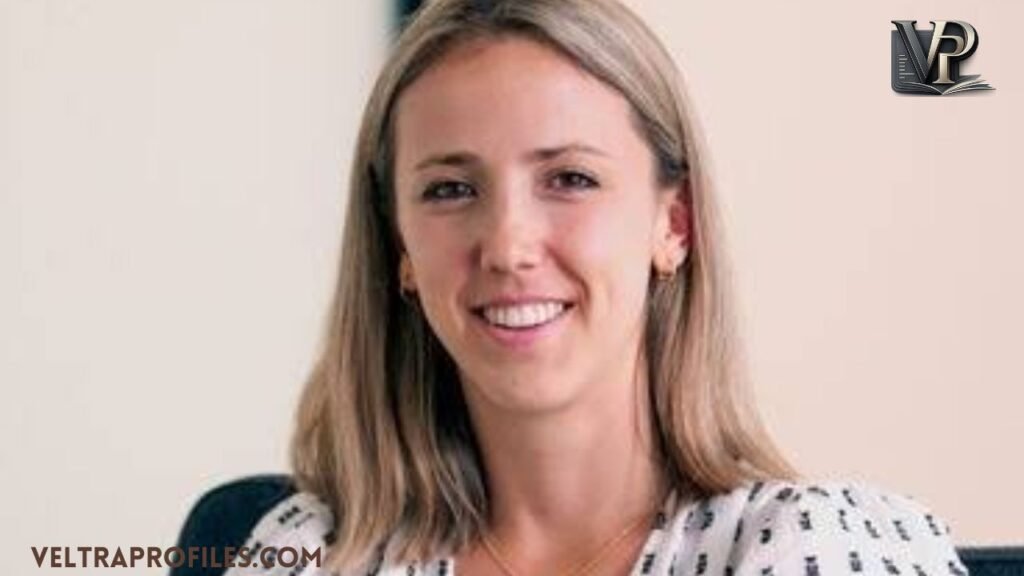
Her family background added another layer of creative influence. As the daughter of the late actress Lynn Redgrave, Clark grew up around performance, storytelling, and public visibility from an early age. That upbringing likely informed her comfort working closely with people during emotionally exposed moments, a skill that would later define her most acclaimed project. Unlike photographers who stumble into documentary work accidentally, Clark’s path suggests a more gradual, lived familiarity with narrative and human vulnerability, absorbed long before she ever picked up a camera professionally. Her California roots also connect to a broader pattern in her career: even after relocating to Seattle and building a life on the opposite coast, her documentary instincts, patient observation paired with emotional honesty, trace directly back to that early Topanga upbringing.
Studying Photography at Parsons School of Design
Annabel Clark pursued formal training at Parsons School of Design, one of the most respected art and design schools in the country, earning her Bachelor of Fine Arts in Photography in 2003. Parsons has produced countless working photographers and designers, and its photography program emphasizes both technical mastery and conceptual depth, pushing students to develop a distinct visual voice rather than simply mimicking commercial trends.
Art school training like this matters more than casual observers might assume. It’s not just about learning camera settings or darkroom technique. Conservatory-style programs like Parsons force students to defend their creative choices, critique peers rigorously, and develop a body of work with genuine thematic coherence. For Clark, this training culminated in something far more personal than a typical senior thesis. During her final term, rather than pursuing a detached, purely academic project, she turned her camera toward her own mother, capturing an intensely private family experience for her coursework. That decision reflects real creative courage. Many students choose safer, more conventional subjects for their final academic projects. Clark instead chose vulnerability, both her mother’s and her own, setting a precedent for the kind of emotionally honest, deeply personal documentary work that would define her entire career going forward.
Photographing Her Mother, Lynn Redgrave, Through Breast Cancer
This is the project that changed everything for Annabel Clark. During her final term at Parsons, her mother, acclaimed actress Lynn Redgrave, was diagnosed with breast cancer. Rather than stepping back during such a painful family moment, Clark made an extraordinary decision: she picked up her camera and documented her mother’s treatment and initial recovery, turning private grief into a shared visual record.
Photographing a parent through cancer treatment requires an almost impossible balance. A daughter has to remain present emotionally while simultaneously maintaining the technical and creative distance needed to actually make compelling images. Clark managed both. The resulting photographs captured chemotherapy sessions, quiet hospital moments, and the slow, uneven process of physical recovery, all filtered through a daughter’s specific, intimate point of view rather than a detached clinical lens. This wasn’t assignment work handed down by an editor. It emerged organically from lived experience, which gives the images a rawness that staged documentary photography rarely achieves. Official accounts of the project describe it plainly: a daughter documenting her mother’s treatment and early recovery from breast cancer, a framing that resists sensationalism while still conveying real emotional weight. That restraint, choosing honesty over melodrama, became a defining trait of Clark’s broader photographic style in the years that followed.
The Journal Project: A Mother and Daughter’s Recovery from Breast Cancer
What began as a personal Parsons thesis eventually grew into something far more permanent. In 2004, Annabel Clark‘s photographs of her mother were published as Journal: A Mother and Daughter’s Recovery from Breast Cancer, a full book released through Umbrage Editions. Turning a private family experience into a published, publicly available book is a significant leap, one that requires both editorial polish and genuine willingness to share intimate family pain with strangers.
Umbrage Editions has built a reputation specifically around socially conscious, documentary-driven photography books, making them a fitting publisher for a project this personal. The book format allowed Clark’s images room to breathe in a way a single magazine spread couldn’t, letting readers move through the full arc of diagnosis, treatment, and recovery at their own pace. This kind of extended visual narrative also does something a short news feature rarely accomplishes: it builds genuine empathy over time, rather than delivering a single striking image and moving on. For families navigating similar breast cancer journeys, the book offered something rare, an unfiltered, non-clinical visual account from someone who’d actually lived through it alongside her mother. That authenticity is precisely why the project continues to resonate years later, cited repeatedly across her professional biographies as the foundational work of her entire career, the project that established both her technical skill and her emotional approach to documentary storytelling.
How the New York Times Magazine Spread Changed Her Career
Before the book arrived, the project first reached a massive audience through a different channel entirely. In 2004, Annabel Clark‘s photographs appeared as a six-page spread in The New York Times Magazine, instantly placing her personal, deeply intimate project in front of one of the largest editorial audiences in American publishing. For a photographer barely out of school, that kind of placement represents an extraordinary head start.
Landing a six-page feature in a publication of that stature doesn’t happen through connections alone. Editors at The New York Times Magazine evaluate submissions rigorously, and a spread of that length signals genuine editorial confidence in both the images and the underlying story. This placement effectively launched Clark’s professional career before she’d had time to build a traditional editorial portfolio through years of smaller assignments first. It also set an unusually high bar right out of the gate, one she’s continued meeting ever since through ongoing work for The Guardian, The Washington Post, The Wall Street Journal, and other major outlets. Breaking into major publications typically requires years of smaller, incremental assignments building toward bigger opportunities. Clark’s path inverted that pattern entirely, starting near the top with a deeply personal project rather than working her way up through detached, assigned subject matter. That unusual trajectory shaped how editors and audiences would perceive her work going forward, as fundamentally rooted in authenticity rather than manufactured editorial polish.
Annabel Clark’s Documentary Photography Style
Every photographer develops a signature approach, and Annabel Clark‘s centers on patience, proximity, and restraint. Her focus areas, health, politics, travel, and culture, might sound broad on paper, but a consistent thread runs through all of it: genuine access to vulnerable, often overlooked human moments, captured without sensationalism or forced drama.
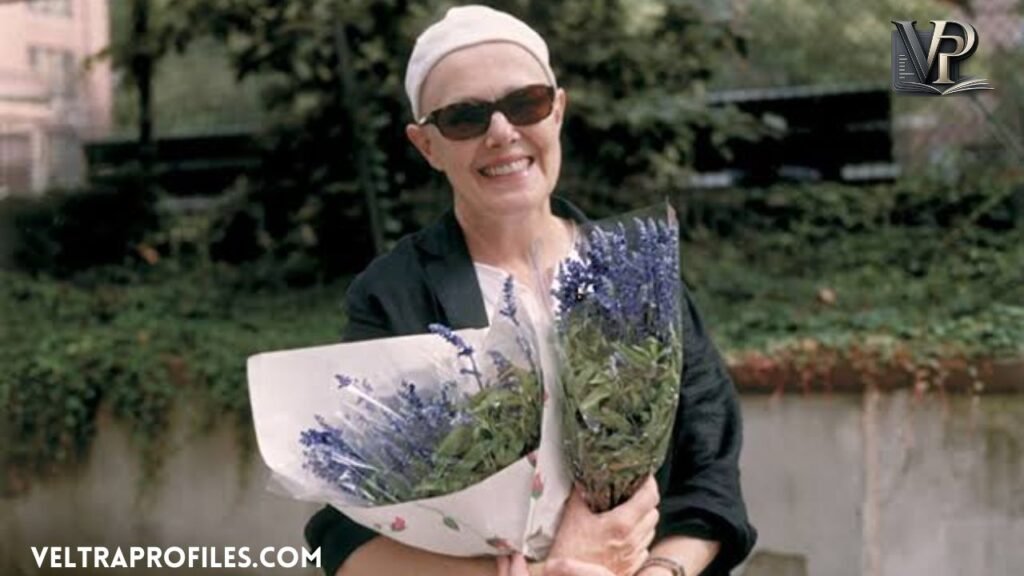
This style didn’t appear randomly. It traces directly back to the Journal project, where Clark first learned to document genuine suffering and recovery without exploiting it for shock value. That early lesson shows up repeatedly throughout her later career, particularly in her health-focused editorial work. Rather than relying on dramatic lighting or staged compositions, her photographs tend to favor natural environments and unguarded expressions, letting subjects exist as they actually are rather than as a photographer’s constructed vision of them. This approach requires significant trust-building before a camera ever comes out, often involving extended time spent with subjects in their own homes or workplaces rather than brief, transactional photo sessions. Editors seeking authentic, non-exploitative coverage of sensitive topics, illness, gender identity, political transition, aging, frequently turn to photographers with exactly this kind of demonstrated sensitivity. Clark’s consistent track record across major publications suggests editors trust her specifically because her documentary instincts prioritize dignity over spectacle, a rarer quality in editorial photography than it should be.
Major Publications and Editorial Clients
Over the course of her career, Annabel Clark has built an impressively broad client list spanning some of journalism’s most respected names. Her assignment work has appeared in The New York Times, The New York Times Magazine, The Guardian, The Washington Post, The Wall Street Journal, CNN, People, Money Magazine, and Prevention, among others. That range signals genuine editorial versatility, since each of these outlets demands a slightly different visual approach and subject sensibility.
Beyond traditional news outlets, Clark’s commercial and institutional client list includes the Robert Wood Johnson Foundation, one of the largest philanthropic organizations focused specifically on health policy in the United States, along with Open Society Foundations, a major international grant-making network. She’s also worked with the Washington State Health Care Authority, Healing the Children, and multiple Waldorf and Steiner schools, reflecting a consistent thread of health, education, and social welfare running through her commercial work alongside her editorial assignments. Below is a quick reference table summarizing her major publication and client categories:
| Category | Examples |
|---|---|
| News & Editorial | The New York Times, The Guardian, The Washington Post, Wall Street Journal, CNN |
| Lifestyle & Consumer | People, Money Magazine, Prevention |
| Health & Philanthropy | Robert Wood Johnson Foundation, Open Society Foundations |
| Education & Community | Rudolf Steiner School, Seattle Waldorf School, Healing the Children |
Portrait Work and Notable Subjects
Alongside her editorial and documentary assignments, Annabel Clark has built a substantial body of portrait work, a discipline that demands a very different skill set than long-form documentary storytelling. Where documentary photography often unfolds over days or weeks, portrait sessions typically compress an entire relationship-building process into a single, focused sitting.
Her portrait subjects span everyday people navigating significant personal circumstances rather than exclusively celebrities or public figures, a choice that reflects her broader documentary sensibility even within a more controlled format. This approach requires a particular kind of quick-building trust, since a portrait subject rarely has the luxury of days spent growing comfortable with a photographer’s presence the way a longer documentary subject might. Clark’s ability to draw out genuine, unguarded expressions within a single session speaks to years of practiced observation, likely sharpened through her extensive documentary background. Her portrait work has been publicly showcased on her own website under a dedicated portraits section, distinct from her editorial assignment archive, suggesting she treats portraiture as its own deliberate artistic practice rather than simply a byproduct of assignment work. This dual mastery, both extended documentary narrative and single-session portraiture, gives her a rare flexibility that fewer photographers manage to sustain at a consistently high level across both disciplines simultaneously.
The Zoei Montgomery Story for The Washington Post
One of Annabel Clark‘s more recent and notable assignments involved photographing Zoei Montgomery, a transgender middle-school custodian, for The Washington Post. The story centered on Montgomery’s life and work while she prepared for significant political shifts affecting transgender rights protections, a topic requiring exactly the kind of sensitive, trust-based documentary approach Clark has built her entire career around.
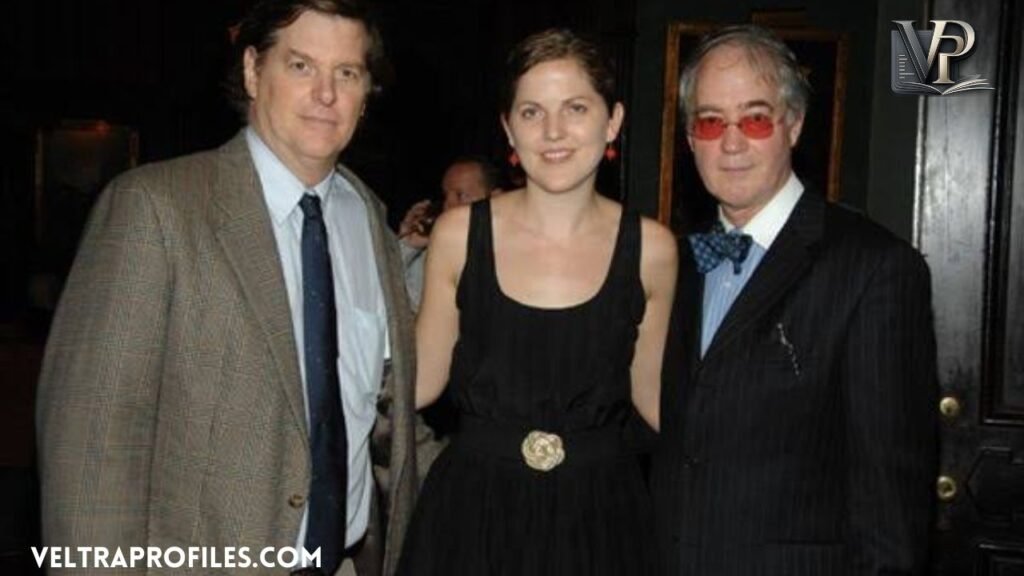
For this assignment, Clark was welcomed into Montgomery’s home in Kitsap County, Washington, where she photographed both everyday portrait moments and Montgomery administering her weekly hormone injection, an intimate medical routine rarely documented so directly in mainstream editorial photography. Gaining access to a moment this personal requires exactly the kind of patient trust-building Clark has demonstrated throughout her career, dating back to her very first project photographing her own mother. This assignment also reflects Clark’s continued engagement with politically relevant, socially significant storytelling well into her established career, rather than settling into safer, less demanding subject matter. Covering transgender issues respectfully and accurately requires genuine sensitivity, and editors at a publication like The Washington Post specifically seek out photographers capable of handling such stories without resorting to sensationalism, another clear example of Clark’s now well-established professional reputation for documentary integrity.
Teaching Photography at Photographic Center Northwest
Beyond her own shooting practice, Annabel Clark has built a significant teaching career, instructing students at Photographic Center Northwest in Seattle, one of the region’s most respected independent photography education institutions. She’s taught there for multiple consecutive years, including running dedicated Street Photography workshops specifically designed for teenage students.
Teaching photography, particularly to teenagers navigating a completely new creative discipline, requires patience and clarity that differs significantly from working with established assignment editors. Clark’s Street Photography sessions for teens focus on capturing genuine urban life, encouraging young photographers to develop their own distinct perspective on city environments rather than simply imitating established styles. She’s described running these intensive workshops for seven consecutive summers, a level of sustained commitment that speaks to genuine investment in photography education rather than a one-off side gig. Beyond Photographic Center Northwest, she’s also taught at Cornish College of the Arts in Seattle and at The Creative Center in New York, further establishing her as a dedicated photography educator across multiple institutions and coasts. This teaching practice runs parallel to her assignment and documentary work rather than replacing it, reflecting a broader pattern throughout her career: building multiple simultaneous creative and professional threads rather than focusing narrowly on just one.
Representation Through Redux Pictures
Professional representation matters significantly in editorial photography, and Annabel Clark is represented commercially and editorially by Redux Pictures, a respected photo agency connecting photographers with major publication and commercial assignments. Being picked up by an agency like Redux signals industry-wide recognition of a photographer’s consistent professional quality and reliability.
Photo agencies like Redux handle the significant behind-the-scenes work of client negotiation, licensing, and assignment matching, freeing photographers to focus more fully on the actual creative and technical work of shooting. For Clark, this representation reflects a maturing, established career rather than an early-stage freelance hustle, since agencies typically reserve representation for photographers with demonstrated, sustained editorial track records. She’s spoken publicly about the significance of this representation, describing it as something that had been “a long time coming,” language that suggests genuine excitement about reaching this particular professional milestone after years of independent assignment work. Beyond Redux, she also maintains a stock archive available through the agency, allowing existing images from her extensive editorial career to continue generating licensing opportunities long after their original publication. This kind of ongoing archive value adds a sustainable, long-term revenue stream beyond individual new assignments, reflecting smart, deliberate career management alongside her creative practice.
Exhibitions and Gallery Recognition
Beyond editorial and commercial work, Annabel Clark‘s photography has earned recognition within fine art and gallery spaces as well. Her work has been exhibited at the Minnesota Center for Photography, Michael Mazzeo Gallery, and the Southeast Museum of Photography, institutions that specifically showcase serious documentary and fine art photographic practice rather than purely commercial imagery.
Perhaps more unusually, her photographs have also been displayed at hospitals and medical schools across the country, a placement choice that directly reflects the health-focused themes running through much of her career, beginning with the Journal project documenting her mother’s cancer treatment. Displaying documentary photography within medical education and treatment settings serves a genuinely practical purpose beyond simple aesthetic appreciation. It offers patients, families, and medical students an honest visual vocabulary for discussing illness, treatment, and recovery, subjects that remain difficult to talk about openly in many clinical settings. This placement suggests institutions recognize real educational and emotional value in Clark’s work beyond its artistic merit alone. Combined with her more traditional gallery exhibitions, this dual recognition, both fine art institutions and medical education settings, reflects the genuinely dual nature of her entire career: art that functions simultaneously as aesthetic achievement and as meaningful social documentation.
Why Annabel Clark’s Work Matters Today
In an editorial landscape often criticized for sensationalism and quick, superficial coverage, Annabel Clark‘s career offers a clear counterexample. Her consistent focus on patient, trust-based documentary storytelling, whether covering her own mother’s cancer treatment or a transgender custodian’s daily life, demonstrates that thoughtful, respectful photography can still find major editorial homes.
Her career also demonstrates something valuable for aspiring photographers specifically: that a deeply personal, vulnerable project, rather than a safe, detached academic exercise, can become the foundation of an entire professional career. Few photography students would choose to document a parent’s cancer treatment for a school thesis. Clark did, and that choice ultimately opened doors to two decades of consistent, respected editorial work across some of journalism’s most prestigious publications. Her ongoing teaching work further extends this legacy, passing along both technical skill and emotional sensitivity to new generations of photographers navigating similarly difficult creative choices. As media consumption increasingly rewards quick, disposable content, Clark’s sustained commitment to slow, careful, trust-based documentary photography stands as a genuine counterpoint, proof that depth and patience still hold real editorial and artistic value in contemporary visual journalism.
Annabel Clark Career Timeline
| Milestone | Year |
|---|---|
| Born and raised in Topanga, California | Childhood |
| Earned BFA in Photography, Parsons School of Design | 2003 |
| Photographed mother Lynn Redgrave during cancer treatment | Final term at Parsons |
| Published six-page spread, New York Times Magazine | 2004 |
| Released Journal book, Umbrage Editions | 2004 |
| Began teaching at Photographic Center Northwest | Ongoing, multiple years |
| Signed representation with Redux Pictures | Recent career milestone |
| Photographed Zoei Montgomery for Washington Post | Recent assignment |
FAQS about Annabel Clark
Who is Annabel Clark?
She’s a documentary and portrait photographer based in Seattle and New York, known for editorial work with major publications and her personal project documenting her mother’s breast cancer recovery.
What is Annabel Clark’s most famous project?
Her best-known work is Journal: A Mother and Daughter’s Recovery from Breast Cancer, documenting actress Lynn Redgrave’s cancer treatment, first published in The New York Times Magazine in 2004.
Where did Annabel Clark study photography?
She earned her Bachelor of Fine Arts in Photography from Parsons School of Design, graduating in 2003.
Who represents Annabel Clark professionally?
She’s represented by Redux Pictures for commercial and editorial photography assignments.
Does Annabel Clark teach photography?
Yes. She teaches at Photographic Center Northwest and Cornish College of the Arts in Seattle, and has also taught at The Creative Center in New York.
Has Annabel Clark’s work been shown in galleries?
Yes. Her photography has been exhibited at the Minnesota Center for Photography, Michael Mazzeo Gallery, and the Southeast Museum of Photography, as well as displayed in hospitals and medical schools nationwide.
What was Annabel Clark’s recent Washington Post assignment?
She photographed Zoei Montgomery, a transgender middle-school custodian, for The Washington Post, documenting Montgomery’s daily life and a weekly hormone injection as she prepared for shifting political circumstances affecting transgender rights.
Conclusion
Annabel Clark‘s career didn’t follow a conventional editorial path built through years of cautious, incremental assignments. It began with an act of genuine courage, turning her camera toward her own mother during one of their family’s most difficult moments. That decision, made during her final term at Parsons School of Design, established a documentary sensibility rooted in patience, trust, and emotional honesty that has carried through two decades of work since.
From major publications like The New York Times and The Washington Post to gallery exhibitions and medical school walls, her photography consistently prioritizes dignity over spectacle. Her ongoing teaching work ensures that approach continues shaping the next generation of documentary photographers as well. In a media environment often driven by speed and sensation, Annabel Clark‘s sustained commitment to slow, respectful storytelling remains genuinely rare, and genuinely valuable.