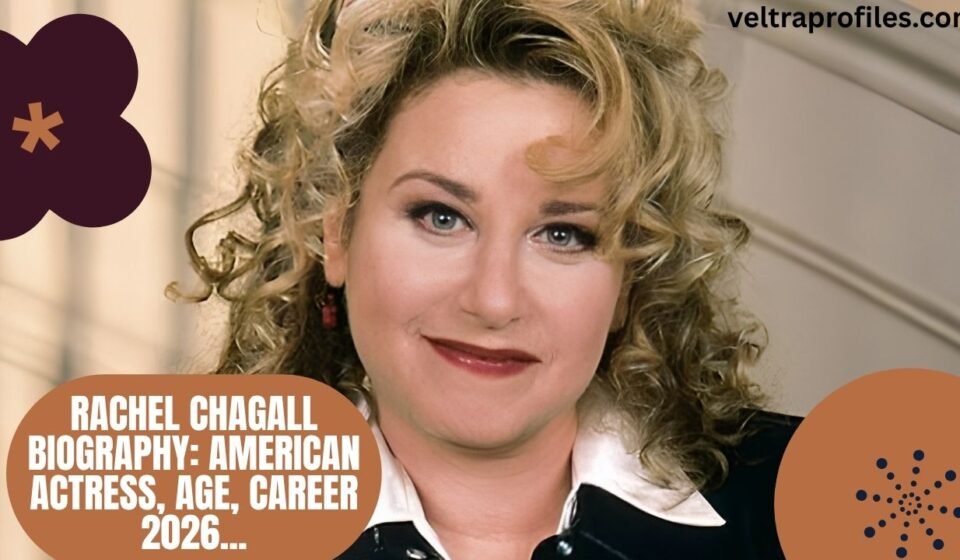

Some actors spend decades chasing one great role. Rachel Chagall found hers early and made it count. Born Rachel Levin in New York City in 1952, she built a career that touched both the big screen and living rooms across America. Most fans know her as the lovably dim Val Toriello from the hit CBS sitcom The Nanny. But there’s a much deeper, richer story behind that familiar face.
This Rachel Chagall biography covers everything worth knowing. From her Jewish family roots in New York to a Golden Globe nomination that shocked Hollywood, her journey is anything but ordinary. She battled a serious illness before landing her biggest role. She changed her name to honor a family legend. She raised twins who share names with fictional characters from her most famous show. Every chapter of her life holds something surprising. Read on to discover the full story of one of American television’s most underrated talents.
Who Is Rachel Chagall?
Rachel Chagall is an American actress best known for two landmark roles. The first is her lead performance as Gabriela Brimmer in the 1987 biographical drama Gaby: A True Story. The second is her six-season run as Valerie “Val” Toriello on the beloved CBS sitcom The Nanny. Together, these two roles define a career that blended dramatic depth with sharp comedic instinct in a way few character actresses manage.
Read more: /sara-marley-biography/
Born under the birth name Rachel Levin on November 24, 1952, she grew up in the heart of New York City inside a close-knit Jewish family. She later adopted the stage name Rachel Chagall, a name carrying genuine family significance that you’ll read more about further in this article. Her years active in Hollywood ran from 1987 through approximately 2006, a period covering some of American television’s most culturally rich decades.
Quick Bio info
| Field | Detail |
|---|---|
| Full Name | Rachel Levin |
| Stage Name / Nickname | Rachel Chagall |
| Gender | Female |
| Date of Birth | November 24, 1952 |
| Age | 73 years old (as of 2026) |
| Birth Sign | Sagittarius |
| Birthplace | New York City, New York, USA |
| Hometown | New York City, New York, USA |
| Current Residence | Not publicly available |
| Nationality | American |
| Ethnicity | Jewish American |
| Religion | Jewish |
| Education / Qualification | Circle in the Square Theatre School, New York City — Professional acting conservatory |
| Profession | Actress, Writer |
| Years Active | 1987 — 2009 |
| Languages Spoken | English (confirmed); others not publicly available |
| Hobbies & Interests | Performing arts, theater, Israeli folk dance (noted from early life) |
| Marital Status | Married |
| Spouse / Partner | Greg Lenert (television stage manager — The Nanny) |
| Children | Twins — Eve and Jonah (born March 19, 1999) |
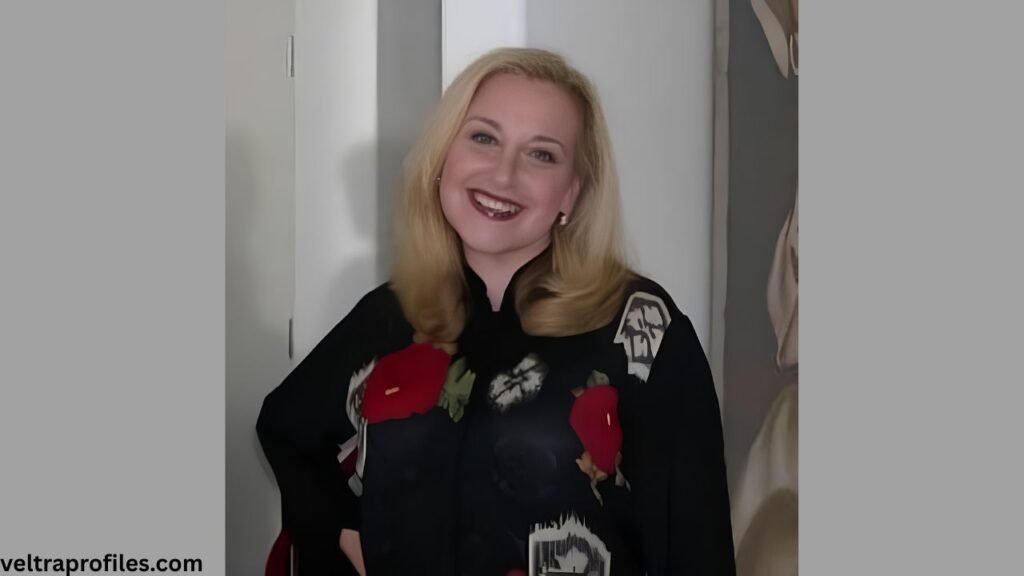
Personal Information
Full Name
Rachel Chagall was born with the name Rachel Levin. She later adopted Rachel Chagall as her professional stage name to avoid confusion with another actress already using the same birth name in the industry.
Stage Name / Nickname
Her stage name is Rachel Chagall. She chose the surname Chagall as a tribute to her family’s connection to legendary artist Marc Chagall, who was her grandmother’s first cousin.
Gender
Rachel Chagall is female.
Date of Birth
Rachel Chagall was born on November 24, 1952. She celebrates her birthday every year in late November, making her a Sagittarius by birth sign.
Age
Rachel Chagall is 73 years old as of 2026. She has lived a full and eventful life spanning a celebrated acting career, a serious health battle, and a happy family life with her husband and twins.
Birth Sign
Rachel Chagall’s birth sign is Sagittarius. People born under this sign are widely known for their adventurous spirit, creative energy, and strong sense of independence, all qualities that show up clearly across her career choices.
Birthplace
Rachel Chagall was born in New York City, New York, USA. Growing up in one of the world’s most culturally vibrant cities gave her early access to theater, performance, and the creative energy that shaped her entire career.
Hometown
Rachel Chagall’s hometown is New York City, New York, USA. The city’s rich theatrical culture and strong Jewish American community played a direct role in forming both her personal identity and her professional ambitions from a very young age.
Current Residence
Rachel Chagall’s current residence is not publicly available. She has maintained a very private personal life since stepping back from acting around 2008 to 2009, keeping her family life firmly away from public attention.
Nationality
Rachel Chagall is American. She was born and raised in New York City and built her entire professional career within the American film and television industry across more than two decades of active work.
Ethnicity
Rachel Chagall is of Jewish American ethnicity. She was raised in a Jewish family in New York City, and her cultural background directly influenced her most famous roles, particularly her work on The Nanny, a show built around Jewish American humor and culture.
Religion
Rachel Chagall is Jewish. Her faith and cultural heritage formed an important part of her upbringing in New York City and remained a visible thread running through her professional work, especially during her six seasons on The Nanny.
Education / Qualification
Rachel Chagall trained professionally at the Circle in the Square Theatre School in New York City. This respected acting conservatory offered intensive workshops in theater and musical theater, giving her a strong technical foundation before she ever appeared on screen professionally.
Profession
Rachel Chagall is an actress and writer. She built her reputation through both dramatic film work and long-running television comedy, demonstrating a versatility across formats that defines her professional identity throughout her active years from 1987 to 2009.
Years Active
Rachel Chagall was professionally active from 1987 to 2009. Her career spanned more than two decades, beginning with her Golden Globe nominated debut in Gaby: A True Story and ending with her final confirmed appearances on How I Met Your Mother.
Languages Spoken
Rachel Chagall speaks English as her confirmed primary language. No other languages are publicly documented in verified sources connected to her personal or professional life.
Hobbies and Interests
Rachel Chagall’s known hobbies and interests include performing arts, theater, and Israeli folk dance. She joined an Israeli folk dance troupe as early as age 13, showing a lifelong love of movement and performance that began long before her formal acting training.
Marital Status
Rachel Chagall is married. She has been in a stable, long-term marriage that began during the production years of The Nanny and has remained private and steady in the decades since the show ended.
Spouse / Partner
Rachel Chagall is married to Greg Lenert, a television stage manager who worked directly on The Nanny during its original run from 1993 to 1999. The two met on set and built a lasting partnership rooted in their shared professional world.
Children
Rachel Chagall and Greg Lenert have twins named Eve and Jonah, born on March 19, 1999. In a charming real-life coincidence, these names match exactly the names given to Fran Fine’s fictional twins on The Nanny during the show’s final season.
Physical Appearance
Height (Feet / Inches)
Rachel Chagall stands at 5 feet 6 inches tall. This places her comfortably at an average height for an American woman, a stature that served her well across both film and television productions throughout her active career.
Height (cm)
Rachel Chagall’s height in centimeters is 167 cm. Her on-screen presence across The Nanny and her film appearances always projected a natural, grounded confidence that made her memorable in every scene she appeared in.
Weight (kg)
Rachel Chagall’s weight is approximately 70 kg. She maintained a healthy and consistent physical presence throughout her active years in the entertainment industry from 1987 through to her final confirmed screen appearances around 2009.
Weight (lbs)
Rachel Chagall weighs approximately 154 lbs. Her build and overall physical presence suited the range of roles she took on across her career, from the physically demanding lead role in Gaby: A True Story to the comedic ensemble work on The Nanny.
Eye Color
Rachel Chagall has blue eyes. Her expressive eye contact was a notable feature of her dramatic performance style, particularly in Gaby: A True Story, where much of her character’s emotional communication depended on facial expression rather than physical movement.
Hair Color
Rachel Chagall has blonde hair. Her appearance across her most recognized television and film work reflected a warm and approachable screen presence that connected naturally with audiences across both comedic and dramatic formats.
Body Type
Rachel Chagall has a healthy body type. Despite battling Guillain-Barré syndrome in 1982 and spending approximately five years in physical recovery, she returned to full health and maintained an active professional life throughout the remainder of her career.
Skin Tone
Rachel Chagall has a fair skin tone. Her natural complexion suited the wide variety of characters she portrayed across more than two decades of American film and television work in both dramatic and comedic settings.
Early Life and Childhood Background
Rachel Chagall didn’t grow up in Hollywood. She grew up in New York City, surrounded by culture, noise, and the kind of creative energy that city has always produced in abundance. Raised in a Jewish family, she was immersed early in a household that valued tradition and community. New York in the 1950s and 1960s was a living, breathing stage in itself, full of theater, music, and artistic conversation at every corner. For a naturally curious and expressive child, it was the perfect environment.
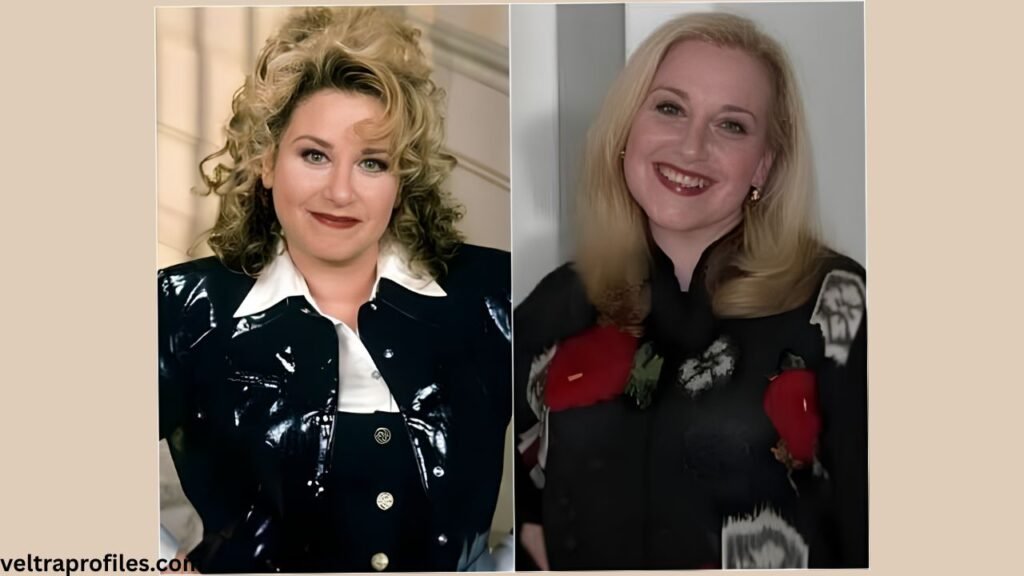
By the time she was 13 years old, she had already joined an Israeli folk dance troupe, an early sign of her instinct for performance and movement. She also participated in youth theater groups around the city, building confidence and stage presence long before she ever stepped onto a professional set. These early experiences weren’t just hobbies. They were the foundation of everything that came later. New York City shaped her sense of rhythm, her comedic timing, and her understanding of character in ways that no classroom alone could have provided.
Physical Appearance
| Field | Detail |
|---|---|
| Height (Feet/Inches) | 5 feet 6 inches |
| Height (cm) | 167cm |
| Weight (kg) | 70kg |
| Weight (lbs) | 154lbs |
| Eye Color | Blue eyes |
| Hair Color | Blonde |
| Body Type | Healthy |
| Skin Tone | Fair |
Education and Initial Interests
When it came time for formal training, Rachel Chagall chose one of New York’s most respected institutions: the Circle in the Square Theatre School. This professional conservatory is known for its intensive, hands-on approach to acting education, covering everything from classical theater technique to musical theater performance. It wasn’t a casual community class. It was a rigorous program designed to prepare students for real professional careers, and the people who came out of it were expected to work.
Her focus during training leaned toward comedic roles, a preference that aligned naturally with her personality and her New York sensibility. Comedy, especially the kind rooted in character and timing rather than slapstick, requires a specific kind of intelligence. You need to understand why something is funny before you can make an audience feel it. Rachel Chagall understood this from early on, and her training at Circle in the Square gave her the technical tools to back up that natural instinct. This combination of raw talent and formal discipline would prove essential when her first major professional opportunity arrived.
Early Acting Roles and Career Beginnings
Every actor has a story about how they first broke in, and Rachel Chagall’s early career path carries some genuinely interesting details. Her professional debut came in 1987 with Gaby: A True Story, which we’ll cover in depth in the next section. But before that landmark role landed, and alongside it in the years that followed, she built her early resume through ensemble film work and a meaningful name change that redefined her professional identity entirely.
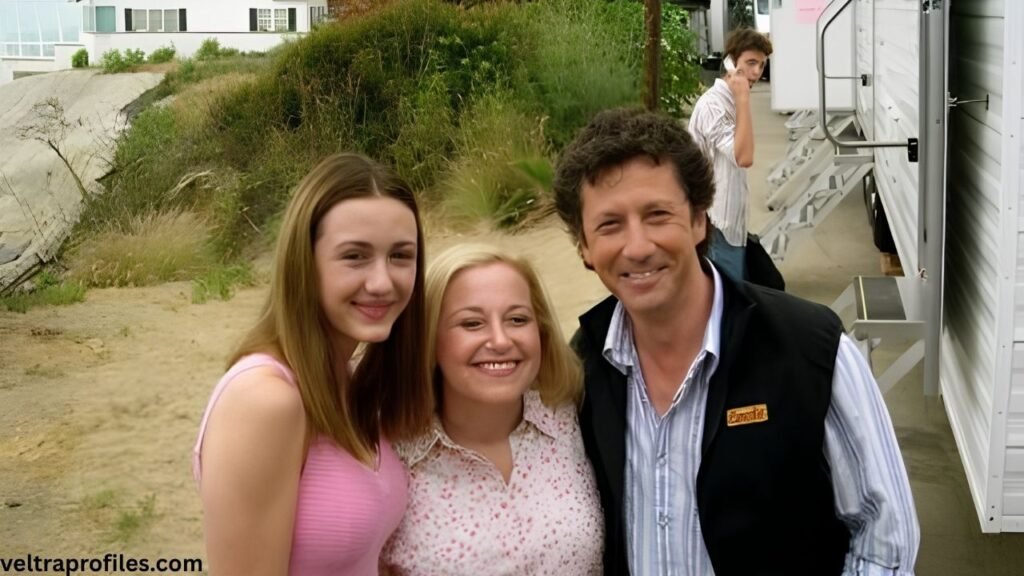
One of her notable early film appearances came in White Palace (1990), a romantic drama starring James Spader and Susan Sarandon. In the film, Rachel Chagall played Rachel, a friend of the protagonist, slotting into a supporting ensemble role that let her work alongside two of Hollywood’s most respected performers of that era. Appearing in that kind of company early in a career matters. It signals to casting directors that you can hold your own in serious dramatic company and that you understand the professional standards expected on a major production. For Rachel Chagall, White Palace was exactly that kind of career-building step.
Breakthrough Film Performance
The role that truly announced Rachel Chagall to the world came in 1987 with Gaby: A True Story, a biographical drama directed by Luis Mandoki. The film tells the real-life story of Gabriela Brimmer, a Mexican woman born in 1946 with severe cerebral palsy who went on to become a journalist, author, and disability rights advocate despite extraordinary physical limitations. Gabriela Brimmer communicated through a pointer attached to her foot, and she achieved recognition as a writer and television personality at a time when society offered very little space for people with her level of physical impairment. Telling that story on screen required an actress willing to go somewhere genuinely difficult, and Rachel Chagall, performing under her birth name Rachel Levin, went there completely.
The film grossed approximately $2.5 million domestically and earned strong critical respect for its refusal to sentimentalize its subject. Co-starring Norma Aleandro (who received a supporting actress nomination), Liv Ullmann, and Robert Loggia, the production was released on October 16, 1987, and immediately drew attention for Rachel Chagall’s central performance. She immersed herself in the role by studying Gabriela Brimmer’s actual mannerisms, communicating through subtle facial expressions and vocal inflections rather than conventional physical performance. The result was a portrayal that critics described as deeply human and free of melodrama.
Television Success and Recurring Roles
If Gaby: A True Story introduced Rachel Chagall to serious dramatic audiences, then The Nanny made her a household name across America. The CBS sitcom premiered on November 3, 1993, and ran for six full seasons until June 23, 1999. Created by and starring Fran Drescher, the show followed Fran Fine, a loud, fashionable, and big-hearted woman from Queens, New York, who becomes the nanny to a wealthy British widower’s three children. The series became one of the most beloved comedies of the 1990s, and Rachel Chagall’s character was a key part of why it worked so well.
Her role as Valerie “Val” Toriello, Fran Fine’s dim-witted but fiercely loyal best friend from childhood, gave the show a consistent source of warmth and comedy throughout its entire run. Val Toriello owned a bridal shop and regularly appeared in the Sheffield household, getting involved in Fran Fine’s romantic adventures and personal dramas in ways that were always funny and surprisingly touching. Rachel Chagall appeared in 78 to 79 episodes across the six seasons, making her one of the show’s most consistent recurring presences outside the core family cast. Her timing was impeccable and her physical comedy was sharper than it ever got credit for.
Guest Roles and Supporting Television Work
Beyond The Nanny, Rachel Chagall maintained an active television presence through a series of guest appearances across different network shows. In 2003, she guest-starred as Aunt Mindy on Just Shoot Me!, appearing in the episode titled “Sid and Nina.” In 2004, she played Renee Edwards in a single episode of Strong Medicine, titled “Like Cures Like,” showing her ability to move between comedic and more dramatically grounded material without missing a beat.
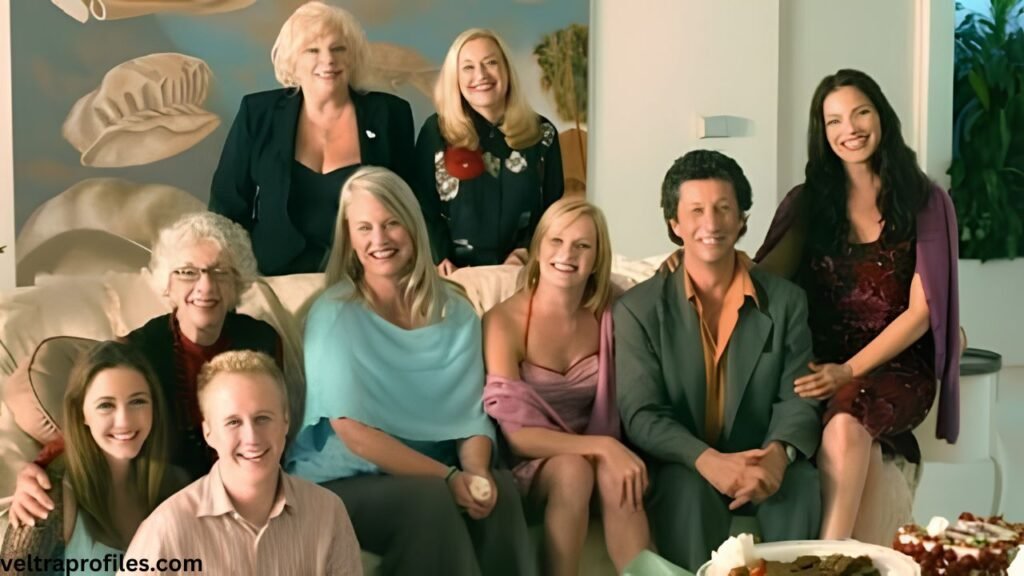
Her role as the Chocolate Lady in What I Like About You in 2006 marked one of her final television appearances before stepping back from the industry. Between 2008 and 2009, she also recurred on How I Met Your Mother in a supporting capacity connected to the character Stella Zinman, played by Sarah Chalke. These later appearances were smaller in scale than her The Nanny work but demonstrated her continued willingness to contribute to ensemble comedy long after her most famous role had ended. Taken together, her television career paints a picture of a performer comfortable in multiple formats and always capable of making the most of limited screen time.
Later Career and Writing Contributions
After The Nanny wrapped its final season in 1999, Rachel Chagall entered a quieter phase of her professional life. The transition was gradual rather than sudden. She continued taking on guest roles through the early 2000s, appearing in shows like Just Shoot Me!, Strong Medicine, and What I Like About You in supporting capacities that kept her connected to the industry without demanding the kind of commitment that a full series role requires. These weren’t high-profile assignments but they showed a performer staying active on her own terms rather than chasing the spotlight she’d had during The Nanny years.
Her most significant post-Nanny television work came through her recurring appearances on How I Met Your Mother in 2008 and 2009. The show was then at the height of its popularity, and her involvement, however brief, demonstrated that she remained a recognizable and respected figure within the network television community. After that, Rachel Chagall reduced her professional commitments significantly, prioritizing her family life over her acting career. No confirmed major roles have been reported since approximately 2008 to 2009, making those How I Met Your Mother appearances likely her final on-screen work to date.
Rachel Chagall’s Filmography
Rachel Chagall’s screen career spans nearly two decades of film and television work, beginning with her landmark 1987 performance in Gaby: A True Story and running through to her final confirmed appearances around 2008 and 2009. Her filmography is relatively compact compared to some character actresses of her generation, but every entry carries significance. She wasn’t the kind of performer who chased volume. She was selective, and the roles she chose tended to reflect a clear sense of what she was capable of and what interested her creatively.
Her work divides naturally into three categories: dramatic film roles that showcased her range, her long-running television presence through The Nanny, and a series of guest appearances that kept her active through the 2000s. The table below organizes her complete known credits in chronological order, giving a clear picture of how her career developed and evolved across different formats and genres.
Complete Rachel Chagall Filmography Table
| Year | Title | Role | Notes |
|---|---|---|---|
| 1987 | Gaby: A True Story | Gabriela “Gaby” Brimmer | Golden Globe nominated — Best Actress Drama |
| 1990 | White Palace | Rachel | With James Spader and Susan Sarandon |
| 1993–1999 | The Nanny | Val Toriello | 79 episodes — CBS sitcom |
| 1995 | The Last Supper | Abortion Activist | Supporting role |
| 1998 | The Simple Life | Herself | Cameo appearance |
| 2001 | Odessa or Bust | Declining Agent | Independent film |
| 2003 | Just Shoot Me! | Aunt Mindy | 1 episode — “Sid and Nina” |
| 2004 | Strong Medicine | Renee Edwards | 1 episode — “Like Cures Like” |
| 2004 | The Nanny Reunion: A Nosh to Remember | Herself | Reunion special |
| 2006 | What I Like About You | Chocolate Lady | 1 episode — “Now and Zen” |
| 2008–2009 | How I Met Your Mother | Supporting role | Connected to Stella Zinman arc |
This filmography tells a story in itself. The early years are defined by serious dramatic work and the Gaby performance that earned her industry-wide recognition. The middle years belong almost entirely to The Nanny and the cultural footprint Val Toriello created across six seasons. The later years show a performer making thoughtful, occasional contributions to television while gradually stepping away from the professional commitments that had defined her career for two decades. Every credit on this list reflects a deliberate choice rather than a default, which is one of the things that makes Rachel Chagall’s filmography worth studying carefully.
Personal Life — Marriage and Family
The personal life of Rachel Chagall holds some genuinely charming details that connect directly to her professional story in ways that feel almost scripted. She met her husband Greg Lenert through The Nanny, the very show that defined her public career. Greg Lenert worked as a television stage manager on the production, which means the two of them spent years working in close proximity on the same set before their relationship developed into something more permanent. They married, and the partnership has remained private and stable in the years since The Nanny ended.
Their family grew in a way that even the show’s writers couldn’t have planned better. Rachel Chagall gave birth to twins on March 19, 1999, a few months before The Nanny aired its series finale. She named them Eve and Jonah. If those names sound familiar to fans of the show, there’s a very good reason. On The Nanny, Fran Fine also gave birth to twins in the final season and named them Eve Catherine and Jonah Samuel. The parallel between Rachel Chagall’s real life and her fictional character’s story is one of those stranger-than-fiction details that long-time fans of the show find genuinely delightful.
Health Journey and Philanthropic Work
One of the most remarkable and least discussed aspects of the Rachel Chagall biography is her health story. In 1982, five years before her breakthrough role in Gaby: A True Story, she was diagnosed with Guillain-Barré syndrome, a serious autoimmune disorder in which the body’s own immune system attacks the peripheral nerves. The condition causes muscle weakness, tingling sensations, and in severe cases complete paralysis. For Rachel Chagall, the diagnosis came with devastating immediate consequences. She experienced near-total paralysis from the neck down, requiring hospitalization and forcing a complete halt to her developing acting career.
Recovery from Guillain-Barré syndrome is a long, uncertain process. For Rachel Chagall, it took approximately five years of intensive physical therapy to restore her ability to walk without assistive devices. This wasn’t her first experience with similar symptoms either. She had experienced an earlier episode of related symptoms in her early twenties that resolved over approximately four years. Living through two separate encounters with this kind of physical limitation gave her a depth of personal experience with disability and recovery that proved directly relevant when she was cast in Gaby: A True Story. The role required her to portray a woman with severe cerebral palsy, and her own lived understanding of physical vulnerability and the slow work of recovery gave her performance a foundation of genuine empathy that no amount of research alone could have provided.
Awards, Nominations, and Major Recognitions
When people talk about Rachel Chagall’s career achievements, the conversation almost always starts in the same place: her Golden Globe nomination for Gaby: A True Story in 1988. That single recognition remains the highest formal industry honor of her career and one of the most significant moments in her professional story. But reducing her achievements to one award nomination misses the larger picture. Sustained success across two decades of film and television, a six-season run on one of CBS’s most watched sitcoms, and a performance widely used in academic settings for disability studies education all represent forms of recognition that don’t come with trophies but carry genuine weight in any honest assessment of a career.
The 45th Golden Globe Awards ceremony took place on January 23, 1988, and Rachel Chagall, performing under her birth name Rachel Levin, was nominated for Best Actress in a Motion Picture Drama for her portrayal of Gabriela Brimmer. The award that year went to Sally Kirkland for her performance in Anna, but the nomination placed Rachel Chagall in serious company. No Academy Award or Emmy Award nominations appear in verified professional records connected to her name, making the Golden Globe nod her singular major industry recognition. That said, industry impact doesn’t always announce itself through formal awards, and her contributions to both dramatic cinema and network television comedy left marks that outlasted any single ceremony.
Industry Recognition Beyond Awards
Beyond the Golden Globe nomination, Rachel Chagall earned a different kind of industry recognition through sheer consistency and audience loyalty. Her six-season presence on The Nanny in a role that required her to be funny, warm, and memorable week after week without ever overshadowing the lead earned her a specific kind of professional respect that’s hard to quantify but easy to recognize.
Character actors who do this well are the backbone of successful ensemble television, and the best of them build fan bases that outlast the shows themselves. Rachel Chagall achieved exactly that with Val Toriello, a character that The Nanny fans still discuss with genuine affection decades after the final episode aired. That kind of lasting audience connection is its own form of recognition, and in many ways it’s more durable than a single award win.
Industry Impact and Lasting Influence
Rachel Chagall shaped two distinct areas of American entertainment in ways that extend well beyond her personal career. The first is disability representation in Hollywood cinema. The second is the development of the loyal comedic sidekick as a meaningful television character type rather than a throwaway comic device. Neither of these contributions gets discussed as often as they should, partly because character actresses rarely receive the same analytical attention as leads and partly because cultural impact takes time to become visible. Looking back now from a distance of several decades, both contributions stand out clearly.
Her performance as Gabriela Brimmer in Gaby: A True Story arrived at a moment when Hollywood’s treatment of disability was largely shaped by either pity or inspiration porn, the tendency to frame disabled characters primarily as objects of sympathy or as motivational figures for non-disabled audiences. Rachel Chagall’s portrayal pushed against both of those tendencies. She played Gabriela Brimmer as a full person: intellectually fierce, romantically complex, politically engaged, and occasionally difficult. The film has since been used in academic settings for disability studies education precisely because it offers something more nuanced than most mainstream cinematic treatments of the subject. That kind of lasting educational relevance is a form of industry impact that very few performances achieve.
Disability Representation in Hollywood Cinema
Gaby: A True Story made a specific contribution to Hollywood’s evolving conversation about disability representation by centering its narrative on Gabriela Brimmer’s intellectual and emotional life rather than her physical limitations. Rachel Chagall’s performance communicated the character’s intelligence, humor, and ambition through facial expression and vocal nuance rather than physical movement, which was both a creative necessity and a thematic statement. The film demonstrated that a story about a severely physically impaired person could hold a mainstream audience’s attention without reducing that person to their disability.
The Golden Globe nomination that followed helped cement the film’s credibility within the industry and drew attention to the importance of authentic casting and careful storytelling in disability narratives. Film scholars and disability studies educators have since cited Gaby: A True Story as an early example of cinema that treats its disabled subject as the active agent of her own story rather than a passive object of concern. Rachel Chagall’s role in making that possible through her specific performance choices gives her a place in this conversation that deserves more acknowledgment than it typically receives.
Trivia and Lesser-Known Facts
Every biography has its headline facts and its buried gems. For Rachel Chagall, some of the most interesting details are the ones that most articles skip past or mention only briefly. Taken together they paint a portrait of someone whose life has been quietly extraordinary in ways that go far beyond her screen credits. From family connections to famous artists to the uncanny parallels between her real life and her most famous fictional role, the lesser-known corners of her story are genuinely worth exploring.
The most famous trivia detail connected to Rachel Chagall is her family relationship to Marc Chagall, the legendary Russian-French artist known worldwide for his dreamlike paintings and stained glass work. She confirmed this connection herself in a KTLA Morning News interview on January 13, 1998, explaining that Marc Chagall was her grandmother’s first cousin. This means the surname she adopted as her stage name wasn’t an arbitrary artistic choice. It was a genuine family name, connecting her professional identity to one of the twentieth century’s most celebrated visual artists. That’s an extraordinary detail that most Rachel Chagall biography articles either miss entirely or mention in a single sentence without giving it the attention it deserves.
Surprising Details About Rachel Chagall Most Articles Miss
The twin name coincidence is arguably the most delightful detail in the entire Rachel Chagall story. On The Nanny, Fran Fine gave birth to twins in the final season and named them Eve Catherine and Jonah Samuel. In real life, Rachel Chagall gave birth to twins on March 19, 1999, just weeks before The Nanny aired its series finale, and she named them Eve and Jonah. Whether this was a deliberate tribute to the show, a remarkable coincidence, or something negotiated between Rachel Chagall and the writers has never been fully explained in public records. Either way it stands as one of the most charming life-imitates-art moments in American television history.
| Fact | Detail |
|---|---|
| Birth name | Rachel Levin |
| Name change reason | Another Rachel Levin already registered in the industry |
| Marc Chagall connection | Her grandmother’s first cousin |
| Name confirmed | KTLA Morning News interview, January 13, 1998 |
| Guillain-Barré diagnosis | 1982, five years before Gaby: A True Story |
| Recovery time | Approximately five years of physical therapy |
| Twins’ birth date | March 19, 1999 |
| Twins’ names | Eve and Jonah — same as Fran Fine’s fictional twins |
| Husband’s job | Greg Lenert worked as stage manager on The Nanny |
| Val Toriello surname origin | Last name of one of Fran Drescher’s real cousins |
| Birth sign | Sagittarius |
| Israeli folk dance | Joined a troupe by age 13 |
| Training school | Circle in the Square Theatre School, New York City |
Legacy — What Rachel Chagall Means Today
The legacy of Rachel Chagall operates on two levels simultaneously. On one level it’s the legacy of specific performances, a Golden Globe nominated lead role in a groundbreaking biographical drama and six seasons of beloved comedic work on one of CBS’s most successful sitcoms. On another level it’s the legacy of a career that modeled something valuable and underappreciated: the ability to move between dramatic depth and comedic lightness without losing integrity in either direction. Character actresses who can do both things well are rare. Rachel Chagall did both things well consistently across two decades of professional work.
The Nanny continues to reach new audiences through syndication and streaming platforms, which means Val Toriello keeps finding new fans who then seek out the actress behind the character. This is how cultural legacies actually work in the streaming era: a beloved show never fully goes away and neither do the performances that made it memorable. Meanwhile Gaby: A True Story remains relevant in academic and cultural conversations about disability representation, ensuring that Rachel Chagall’s most dramatically significant work continues to be seen and discussed long after its original theatrical release. Together these two pillars of her career give her a legacy that’s broader and more durable than her relatively modest public profile might suggest.
Cultural Footprint in American Television History
Val Toriello occupies a specific and honored place in the history of American television sidekick characters. She wasn’t the smartest person in the room and the show never pretended otherwise. But she was loyal, genuinely loving, and consistently funny in ways that felt earned rather than manufactured. Rachel Chagall understood that playing this character well meant finding the real human being underneath the comic surface and letting that person breathe in every scene. The result was a character that audiences didn’t just laugh at but genuinely cared about, which is a much harder achievement than it looks.
The Jewish American cultural context of The Nanny has become more widely appreciated in retrospect than it was at the time of original broadcast. Scholars and critics looking back at 1990s television have increasingly recognized the show’s ethnic specificity as one of its most significant cultural contributions, and Rachel Chagall’s role as Fran Fine’s lifelong friend from the same Queens neighborhood was central to establishing that specificity. Her presence gave Fran Fine’s world a genuine community texture that the show’s comedy depended on, making her contribution to The Nanny’s cultural legacy more foundational than casual viewers might realize.
Where Is Rachel Chagall Now?
Rachel Chagall has maintained a private, family-centered life since stepping back from professional acting in the late 2000s. She and Greg Lenert have raised their twins Eve and Jonah away from the public eye, with no confirmed major professional activity reported since approximately 2008 to 2009. For fans of The Nanny who wonder where she is now, the answer appears to be exactly where she chose to be: living quietly and purposefully outside the entertainment industry spotlight that defined her working years.
Her story in retirement reflects the same kind of deliberate, self-aware decision making that characterized her career choices from the beginning. She didn’t chase stardom after Gaby: A True Story made her a briefly prominent dramatic name. She didn’t overextend herself trying to replicate The Nanny’s success after it ended. And when family life called for her full attention, she gave it without apparent regret. That consistency of character across both professional and personal decisions is perhaps the most quietly impressive aspect of the entire Rachel Chagall biography and the part of her story most worth remembering.
FAQs About Rachel Chagall
Who is Rachel Chagall?
Rachel Chagall is an American actress born Rachel Levin on November 24, 1952, in New York City, best known for playing Val Toriello on The Nanny and earning a Golden Globe nomination for Gaby: A True Story (1987).
Who is Rachel Chagall Husband?
Rachel Chagall is married to Greg Lenert, a television stage manager who worked behind the scenes on The Nanny during its original production run from 1993 to 1999.
What is Rachel Chagall Age?
Rachel Chagall is 73 years old as of 2026, born on November 24, 1952, under the birth sign Sagittarius in New York City, New York, USA.
Where is Rachel Chagall Now?
Rachel Chagall has been privately retired from acting since approximately 2008 to 2009, living a quiet family life with her husband Greg Lenert and their twins Eve and Jonah.
What is Rachel Chagall Ethnicity?
Rachel Chagall is of Jewish American ethnicity, raised in a Jewish family in New York City, a cultural identity that directly influenced many of her most memorable roles.
Who are Rachel Chagall Children?
Rachel Chagall has twins named Eve and Jonah, born on March 19, 1999, sharing the same names as the fictional twins her Nanny character Fran Fine gave birth to on the show.
What is Rachel Chagall Net Worth?
Rachel Chagall’s exact net worth is $2 million, though her two-decade career spanning a Golden Globe nominated film role and 79 episodes of a hit CBS sitcom suggests comfortable financial standing.
Where is Rachel Chagall Family?
Rachel Chagall was raised in a Jewish family in New York City, is married to Greg Lenert, has twins Eve and Jonah, and shares a remarkable family connection to legendary artist Marc Chagall, her grandmother’s first cousin.
Did Rachel Chagall Have Twins?
Yes. Rachel Chagall gave birth to twins named Eve and Jonah on March 19, 1999, with her husband Greg Lenert, just weeks before The Nanny aired its series finale featuring Fran Fine’s own fictional twins sharing the exact same names.
What Is Rachel Chagall Known For?
Rachel Chagall is best known for playing the lovably dim Val Toriello on the hit CBS sitcom The Nanny (1993–1999) and for her Golden Globe nominated lead performance as Gabriela Brimmer in Gaby: A True Story (1987).
Who Is Rachel Chagall Married To?
Rachel Chagall is married to Greg Lenert, a television stage manager who worked on The Nanny set, where the couple first met during the show’s original production run across its six seasons.
Is Rachel Chagall Related to Marc Chagall?
Yes. Rachel Chagall confirmed in a KTLA Morning News interview on January 13, 1998, that legendary Russian-French artist Marc Chagall was her grandmother’s first cousin, which is exactly why she chose Chagall as her professional stage surname.ffice numbers alone would have achieved.
Conclusion
The full story of Rachel Chagall is richer and more layered than a single character name or a single award nomination can capture. She grew up in New York City inside a Jewish family that gave her both cultural identity and creative instinct. She trained seriously at the Circle in the Square Theatre School and built her craft long before any camera pointed her way. She survived Guillain-Barré syndrome and turned that experience into fuel for the most demanding role of her career. She delivered a Golden Globe nominated performance on her very first starring assignment and then spent six seasons making one of American television’s most beloved sitcoms funnier and warmer through her work as Val Toriello.
What makes Rachel Chagall’s story worth telling and worth reading isn’t just the highlights. It’s the consistency of character running underneath all of it. She made thoughtful choices at every stage of her career. She picked roles that challenged her. She changed her name to honor a genuine family legacy. She married a man she met through honest shared professional work. She named her children with a warmth that accidentally mirrored her most famous fictional role. And when family life needed her full presence, she gave it without looking back. That’s not a typical Hollywood biography. It’s something quieter and more real. For fans of The Nanny, for students of disability representation in cinema, and for anyone interested in what a genuinely well-lived creative life looks like, the Rachel Chagall biography offers something genuinely worth your time.