
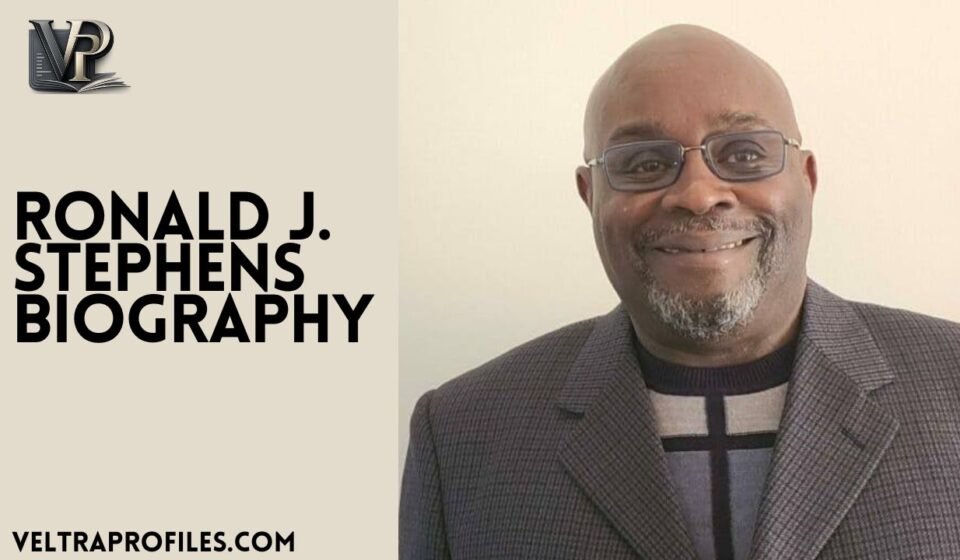

Some historians dig through dusty archives. Ronald J. Stephens does that too, but he also walks the streets he writes about. He has spent decades chasing one big question: how did Black Americans build places of joy, rest and freedom when the world kept shutting them out?
His answer lives in books, documentaries and a growing public history project. If you’ve heard of Idlewild, Michigan, you’ve probably met his work without knowing it. This guide follows his path from Detroit classrooms to a professorship at Purdue University. It draws on his Purdue profile, his personal website and his published CV.
Who Is Ronald J. Stephens?
Ronald J. Stephens is a Professor of African American Studies in Purdue University’s School of Interdisciplinary Studies. He also serves as coordinator of the African American Studies program. His official research focus covers Black leisure studies, African American biography and racial injustice.
Read more: /nicole-michelle-johnson-biography/
Think of him as a historian who studies where people gathered rather than only what they fought. His site sums up his approach well: a scholar of “the places Black people made possible.” That lens turns resorts, beaches and small towns into serious evidence about Black place-making and freedom.

Ronald J. Stephens Quick Bio
| Field | Detail |
|---|---|
| Full name | Ronald J. Stephens, Ph.D. |
| Hometown | Detroit, Michigan |
| Current role | Professor of African American Studies, Purdue University (2014–present) |
| Program role | Coordinator, African American Studies |
| Highest degree | Ph.D., African American Studies, Temple University (1996) |
| Research focus | Black leisure, Garveyism, resistance, public history |
| Signature subject | Idlewild, Michigan |
| Best-known book | Idlewild: The Rise, Decline, and Rebirth of a Unique African American Resort Town |
| Birth date and family details | Not publicly documented |
Early Life and Roots in Detroit
Dr. Stephens is a Detroit native. His profile names the city but offers few personal details beyond that. Still, the connection matters. Detroit sits only a few hours from Idlewild, and Michigan’s Black communities shaped the questions he asks.
His early academic path stayed close to home. He studied at Wayne State University in Detroit before heading east for graduate school. That pattern repeats in his career. He leaves Michigan to learn and then keeps returning to its stories. Few scholars carry a hometown into their research this faithfully.
Ronald J. Stephens’ Education at Wayne State and Temple University
His degrees show a curious mind that crossed fields. At Wayne State University, he earned a B.A. in speech communication and public relations in 1986. He added an M.A. in speech communication and library science in 1991.
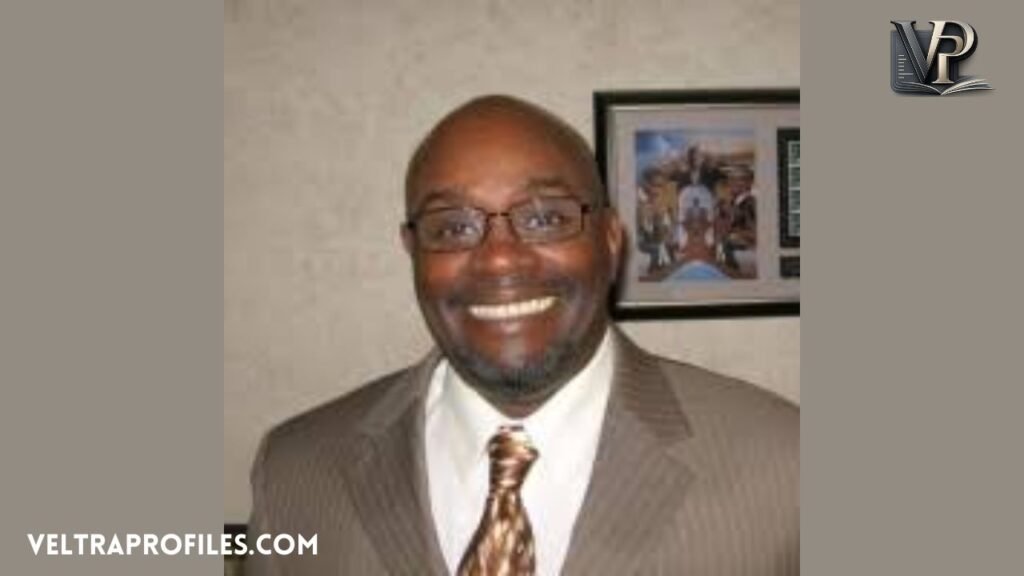
Next came Temple University in Philadelphia. He earned an M.A. in African American Studies and urban history in 1992. Then he finished a Ph.D. in African American Studies in 1996. Notice the mix of communication and library science. That training explains his gift for archives and for telling stories that general audiences can follow.
His Academic Career From Detroit to Purdue University
Dr. Stephens has taught at seven institutions. He began as an associate professor of humanities at West Shore Community College. Next came a visiting post at Wayne State and an assistant professorship at the University of Nebraska–Lincoln. Here is the full path.
| Years | Institution | Role |
|---|---|---|
| 1992–1993 | West Shore Community College | Associate Professor of Humanities |
| 1993–1997 | Wayne State University | Visiting Assistant Professor |
| 1997–2003 | University of Nebraska–Lincoln | Assistant Professor |
| 2003–2005 | Grand Valley State University | Associate Professor |
| 2005–2008 | Metropolitan State University of Denver | Professor |
| 2008–2014 | Ohio University | Associate Professor |
| 2014–present | Purdue University | Professor |
Each move widened his reach. Denver, for example, led to his book on African Americans in that city.
Ronald J. Stephens as Coordinator of African American Studies at Purdue
At Purdue, Dr. Stephens holds several roles at once. He is a professor in African American Studies and in the School of Interdisciplinary Studies. He is also affiliated faculty in American Studies. That mix lets him teach across disciplines.
Coordinating a program means more than teaching. A coordinator shapes the curriculum, guides students and keeps the field visible on campus. His office also supports public humanities work, which turns classroom research into exhibitions and community events. Students who join his courses often meet history as a living conversation instead of a list of dates.
Ronald J. Stephens and the Story of Idlewild, Michigan
Idlewild is a small community in northern Michigan. Founded in 1912 as a resort, it became a haven for Black families during segregation. People called it the “Black Eden.” Visitors came to swim, dance and listen to great performers.
Dr. Stephens became a leading Idlewild scholar. He even worked as a research assistant on Ted Talbert’s 1995 documentary Idlewild: A Place in the Sun. Since then he has advised the community as a consultant and advocate. His work helped turn Idlewild from a local memory into a recognized chapter of American history.
Idlewild: The Rise, Decline, and Rebirth of a Unique African American Resort Town
His major scholarly book appeared in 2013 from the University of Michigan Press. It traces how Idlewild grew into a thriving resort and later declined once desegregation opened other vacation spots. Then it follows the town’s slow efforts at renewal.
The book matters because it treats leisure as serious history. Vacations, nightclubs and lake days reveal how people built community formation under pressure. He also wrote a lighter pictorial history, Idlewild: The Black Eden of Michigan (Arcadia Publishing, 2001). Together the two books give readers both the scholarly argument and the family-album feel.
Black Leisure Studies and the Places Black People Made Possible
Why study fun? Dr. Stephens argues that leisure spaces carried real political weight. A beach, a resort or a hotel could offer refuge, fellowship and political education. Those places also taught people that they deserved rest.
His site asks how Black communities create places of safety and mobility, and how those places shape “a fundamental sense of humanity and belonging.” That question links all his projects. It ties Idlewild to beaches, hotels and rural towns. For readers, it reframes everyday spaces as chapters in the long story of Black freedom.
Global Garveyism and Black Internationalism
Dr. Stephens also studies Marcus Garvey and the movement he inspired. He co-edited Global Garveyism with Adam Ewing, published by the University Press of Florida in 2018. The paperback followed in 2025.
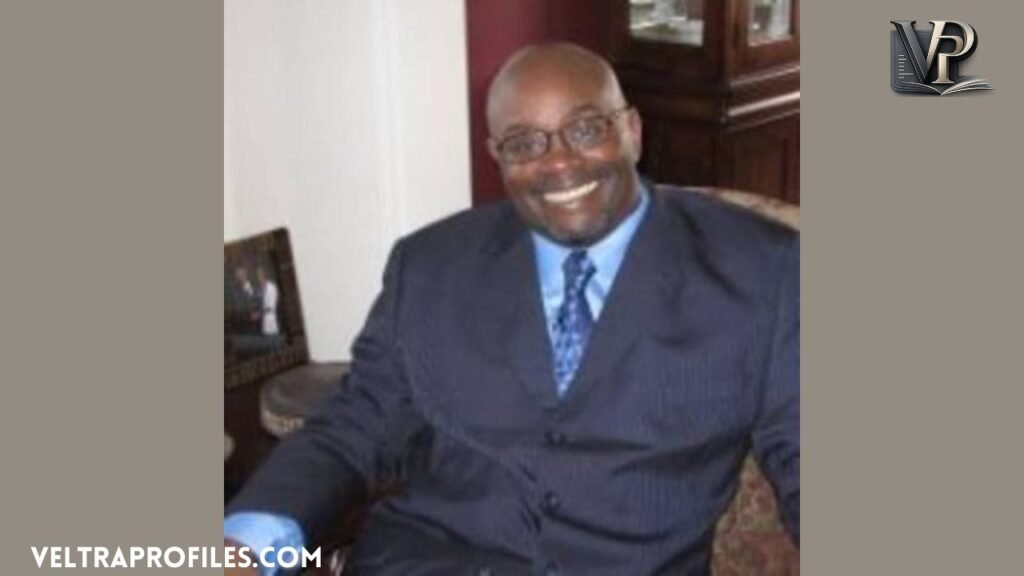
Garveyism spread across continents. Its followers organized in the United States, the Caribbean, Africa and beyond. The book tracks that reach and shows how Black internationalism shaped politics worldwide. Dr. Stephens has also taken the subject to the public. In June 2026 he joined an Indiana Landmarks panel on Marcus Garvey and Garveyism in Indiana, timed to Juneteenth.
Robert Franklin Williams Speaks: A Documentary History
Robert F. Williams was a civil rights leader who argued for armed self-defense and later lived in exile in Cuba. Dr. Stephens collected writings by and about him in Robert Franklin Williams Speaks: A Documentary History. Anthem Press published the hardback in 2024. The paperback arrived in 2026.
Williams stirs debate even today. A documentary history lets readers judge him through his own words and through the words of others. Dr. Stephens has also written on Williams’s years in Cuba, including an article titled “Praise the Lord and Pass the Ammunition.” A future book will explore the partnership between Robert and Mabel Williams.
Chicken Bone Beach, Denver, and Other Books by Ronald J. Stephens
His bookshelf spans cities and eras. Chicken Bone Beach (Arcadia Publishing, 2023) explores a segregated-era beach in Atlantic City. African Americans of Denver (2008) grew out of his years in Colorado. His newest title, Legacy in Motion, is a set of readings on African American Studies from Kendall Hunt (2026).
| Book | Publisher | Year |
|---|---|---|
| Idlewild: The Black Eden of Michigan | Arcadia Publishing | 2001 |
| African Americans of Denver | Arcadia Publishing | 2008 |
| Idlewild: The Rise, Decline, and Rebirth of a Unique African American Resort Town | University of Michigan Press | 2013 |
| Global Garveyism (co-editor) | University Press of Florida | 2018 |
| Chicken Bone Beach | Arcadia Publishing | 2023 |
| Robert Franklin Williams Speaks | Anthem Press | 2024 |
| Legacy in Motion | Kendall Hunt | 2026 |
Recent Scholarship and Current Book Projects
Dr. Stephens keeps publishing. In 2025 he co-wrote “Voices of Defiance,” which looks at resilience in Black identity through technology, in the Journal of African American Studies. That same year the Michigan Historical Review ran his article on two legal trailblazers in Idlewild, Violette Neatley Anderson and Percy J. Langster.

Four more books are in progress. They cover the marriage of Robert and Mabel Williams, protest through poetic communication, Black womanhood, and the rise and fall of John White and the Gotham Hotel. Each one extends his lifelong habit of finding big stories in overlooked places.
Ronald J. Stephens in Documentaries, Media, and Public History
Dr. Stephens has appeared in many programs. These include an edition of Tony Brown’s Journal, an NPR production on Idlewild and a Flint ABC 12 special called Idlewild: Rebuilding Paradise. National audiences also saw him on the History Channel’s Are We There Yet? Americans on Vacation.
He now brings that voice into public history projects. One is Idlewild at 114, an exhibition in development on Black place-making in rural Michigan. Another is Catch the Spirit of Historic Idlewild, which blends photographs, maps, memorabilia, oral histories and music. His website also describes an Idlewild preservation institute and podcast plans.
Ronald J. Stephens’ Legacy in African American Studies
Every field needs people who build bridges between scholars and everyday readers. Dr. Stephens does that well. His Idlewild scholarship reshaped how historians think about Black tourism and leisure. His work on Garvey and Williams widened the picture of resistance.
His message carries a gentle optimism. His website carries the line “History is how we find one another.” That idea runs through his career. Whether he is writing about a lake resort or a Cuban exile, he shows how place and memory help people belong. Students, readers and Idlewild residents all benefit.
FAQs About Ronald J. Stephens
Who is Ronald J. Stephens?
He is a Professor of African American Studies at Purdue University and a historian and author who specializes in Black leisure, Idlewild, Michigan, Garveyism and civil rights history.
Where did Ronald J. Stephens earn his Ph.D.?
He earned his Ph.D. in African American Studies from Temple University in 1996.
What is Ronald J. Stephens best known for?
He is best known as a leading scholar of Idlewild, the historic African American resort town in Michigan, and for his 2013 book on its rise, decline and rebirth.
What books has Ronald J. Stephens written?
His titles include Idlewild: The Black Eden of Michigan, African Americans of Denver, Chicken Bone Beach and Robert Franklin Williams Speaks. He also co-edited Global Garveyism.
Where does Ronald J. Stephens teach?
He teaches at Purdue University, where he has been a professor since 2014.
Which universities has he worked at before?
He previously taught at Ohio University, Metropolitan State University of Denver, Grand Valley State University, the University of Nebraska–Lincoln, Wayne State University and West Shore Community College.
Is Ronald J. Stephens from Detroit?
Yes. His Purdue profile identifies him as a Detroit native.
What is Global Garveyism?
It is a book he co-edited with Adam Ewing about the worldwide spread of Marcus Garvey’s movement. The University Press of Florida published it in 2018.
What documentaries has he appeared in?
He appeared in programs including Tony Brown’s Journal, an NPR production on Idlewild and the History Channel’s Are We There Yet? Americans on Vacation.
What projects is he working on now?
He is working on books about Robert and Mabel Williams, poetic communication, Black womanhood and the Gotham Hotel, along with the Idlewild at 114 exhibition.
Conclusion
Ronald J. Stephens career shows how one question can drive a whole career. Where did Black Americans find joy and freedom? From Detroit to Purdue, he has chased that question across lakes, beaches, hotels and movements. His books on Idlewild opened a door that many readers did not know existed.
Today he keeps building. New books, a public exhibition and a growing media presence continue his mission of linking scholars and communities. If you want to read more, start with his Idlewild titles or visit his website. Either way, you’ll see why Dr. Stephens remains a trusted guide to Black history and belonging.