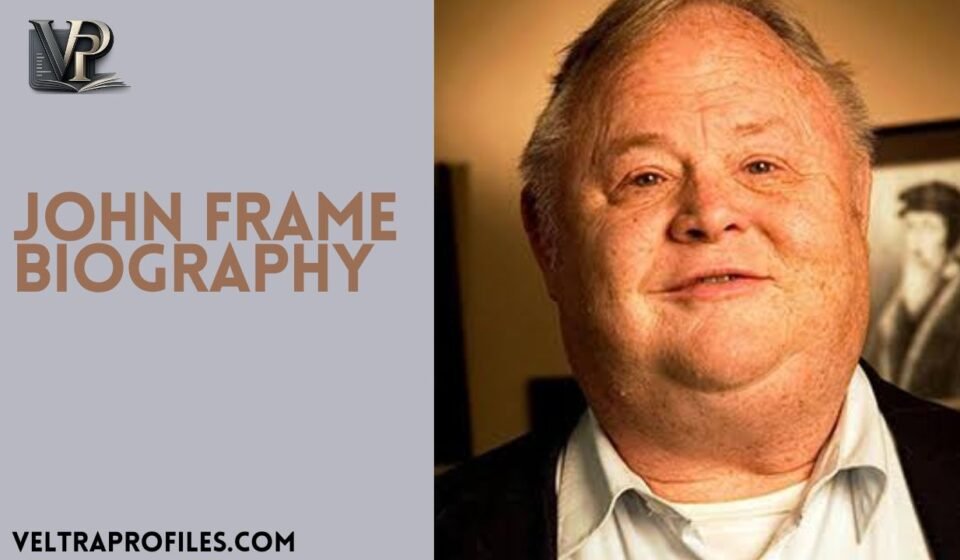

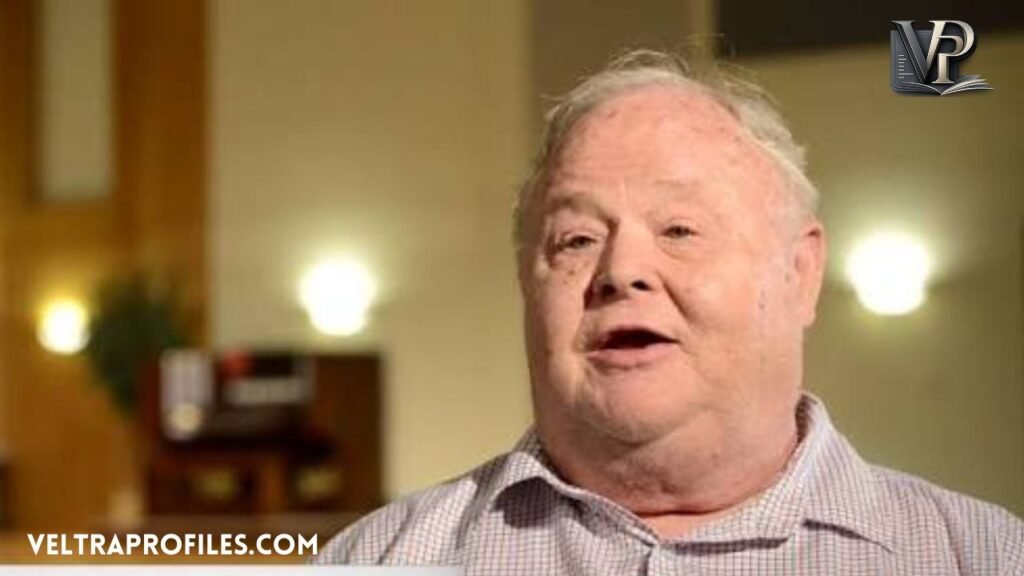
John Frame some theologians write like stern judges. Others write like patient teachers. John M. Frame belongs to the second group. John Frame is an American scholar of Reformed theology, a philosopher, and a prolific author. John Frame was born on April 8, 1939, in Pittsburgh, Pennsylvania. John Frame then spent almost fifty years teaching systematic theology and philosophy. Students loved his clear style. They also loved his simple definition of the field. He called theology “the application of God’s revelation to all of life.” That short line explains his whole approach. For him, theology isn’t a dusty classroom subject. It touches work, family, music, ethics, and worship. He is an ordained minister in the Presbyterian Church in America. Outside class John Frame plays the organ and writes sharp media criticism. So his interests stretch far beyond the seminary walls.
Read more: /christopher-duma-biography/
Why do so many readers search for this name today? The reasons vary. Seminary students meet his books on their reading lists. Pastors want help with Christian ethics and biblical worship. Curious believers hear about triperspectivalism and want a plain explanation. Meanwhile, the name itself causes confusion. Wikipedia’s disambiguation page lists a sculptor, a Canadian bishop, an English cricketer, and a Scottish rugby player with the same name. This guide covers the theologian only. Think of it as a friendly map. First you’ll see his life story. Next you’ll learn his big ideas. Finally you’ll find the best books to start with. Each section uses simple language. You don’t need a theology degree to follow along. Curiosity is enough.
| Quick Fact | Detail |
|---|---|
| Full name | John McElphatrick Frame |
| Born | April 8, 1939, Pittsburgh, Pennsylvania |
| Field | Systematic theology, philosophy of religion, epistemology |
| Signature idea | Triperspectivalism |
| Best-known series | Theology of Lordship |
| Denomination | Presbyterian Church in America |
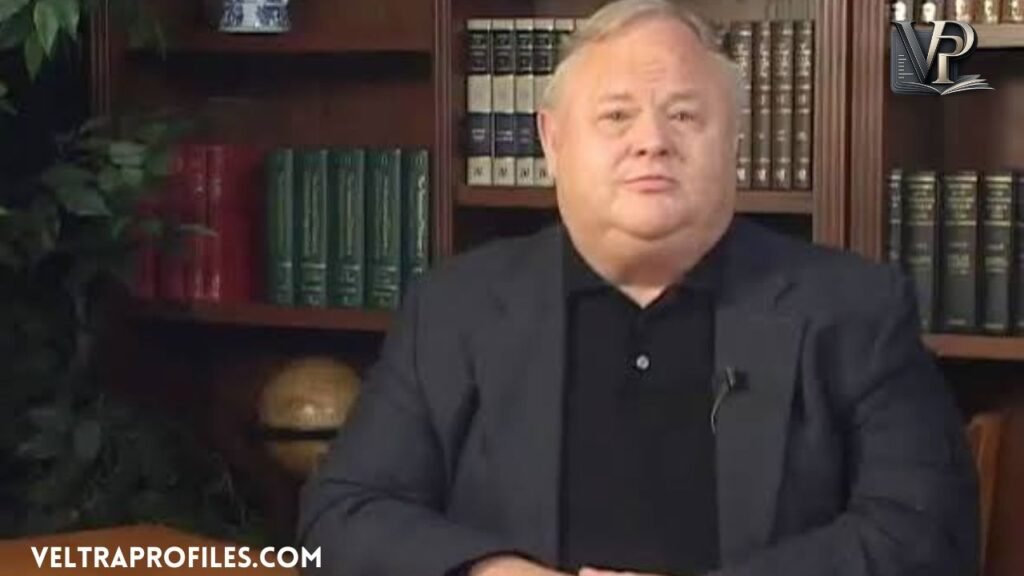
Quick Bio info
| Field | Detail |
|---|---|
| Full Name | John M. Frame |
| Born | April 8, 1939, Pittsburgh, Pennsylvania |
| Status | Retired |
| Profession | American Christian philosopher, Calvinist/Reformed theologian, author |
| Specialties | Epistemology, presuppositional apologetics, systematic theology, ethics |
| Education | Princeton University (A.B.); Westminster Theological Seminary (B.D.); Yale University (M.A., M.Phil.); Belhaven College (honorary D.D.) |
| High School | Lebanon High School, graduated 1957 |
| Career | Faculty at Westminster Theological Seminary (Philadelphia) from 1968; founding faculty member of Westminster Seminary California; Reformed Theological Seminary, Orlando (2002–2017, retired) |
| Ordination | Presbyterian Church in America (PCA) |
| Known For | Theology of Lordship series (four volumes); triperspectivalism (God’s lordship as authority, control, and presence) |
| Key Influences | Cornelius Van Til, John Calvin, John Murray, Edmund Clowney, John Gerstner, Westminster Confession of Faith |
| Post-Retirement | Co-author and theological editor with Pathway Learning and Steve Childers on the Applied Theology Project |
| Hobbies | Talented pianist and organist; discerning media critic |
| Spouse | Mary Grace (married 1984) — note: an earlier wife, Mary, is referenced in one source as having predeceased him, with five children (Debbie, Doreen, Skip, Justin, Johnny) from that earlier marriage |
| Children | Five: Debbie, Doreen, Skip, Justin, and Johnny |
Early Life and Education: From Pittsburgh to Yale
Every big thinker starts somewhere. Frame started in Pittsburgh and finished high school in 1957. Even then, John Frame showed a hunger for philosophy and theology. His school environment pushed relativism and humanism. John Frame wrestled with those ideas instead of ignoring them. That struggle shaped his later work. During these years he also met the writings of Calvinist teacher John Gerstner. Gerstner helped deepen his grasp of Calvinism. Next came college. Frame earned his undergraduate degree at Princeton University. John Frame then moved to Westminster Theological Seminary and earned a Bachelor of Divinity. There John Frame sat under giants of the Reformed world. Cornelius Van Til taught him how to think about knowledge and faith. John Murray trained him in careful reading of Scripture. Edmund Clowney shaped his thinking about the church. In 1964 Frame headed to Yale University for graduate work in philosophical theology. He earned both an A.M. and an M.Phil. there. Years later, in 2003, Belhaven College gave him an honorary doctor of divinity. This mix of schools matters. Princeton gave him broad learning. Westminster gave him a firm Reformed base. Yale gave him sharp philosophical tools. Together they produced a thinker who could talk with scholars and still write for ordinary church members. That blend of depth and clarity became his trademark.
| School | Degree | What It Added |
|---|---|---|
| Princeton University | A.B. | Broad liberal arts base |
| Westminster Theological Seminary | B.D. | Reformed training under Van Til, Murray, and Clowney |
| Yale University | A.M., M.Phil. | Strong philosophical method |
| Belhaven College | D.D. (honorary, 2003) | Recognition for church and scholarly service |
Teaching Career at Westminster and Reformed Theological Seminary
Teaching defined Frame’s working life. John Frame began in 1968 on the faculty of Westminster Theological Seminary in Philadelphia. John Frame stayed for about thirty-one years. During that time he taught systematic theology, apologetics, and philosophy. John Frame later helped launch Westminster Seminary California as a founding faculty member. That move placed him at the center of a young school with big hopes. Students remember him as warm and direct. He explained hard ideas with everyday examples. John Frame also encouraged them to question easy answers. After the California years he joined Reformed Theological Seminary in Orlando, Florida. There John Frame held the title of J. D. Trimble Professor of Systematic Theology and Philosophy. He is now professor emeritus. Across these posts, he trained thousands of pastors, teachers, and missionaries. Many of them still use his outlines in sermons and Bible studies. So his influence reaches far beyond the books on his shelf.
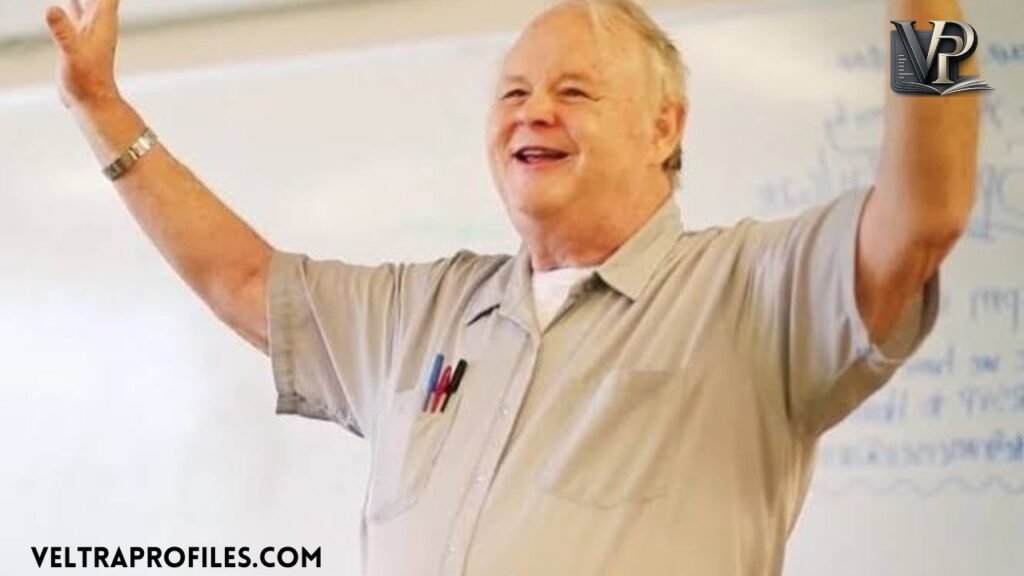
Teaching also fed his writing. Class notes became chapters. Student questions became whole books. That’s why his work feels practical. A good teacher knows where learners get stuck. Frame wrote with those sticking points in mind. His website, run with colleague Vern Poythress, now offers many of his articles for free. The site gives readers an easy doorway into his thought. Reviews often call him one of the most original theologians of his generation. Supporters praise his clarity. Critics, as we’ll see later, press hard on a few key points. Either way, nobody calls his work boring. The table below shows the main stops in his teaching story.
| Stage | Institution | Role |
|---|---|---|
| Late 1960s onward | Westminster Theological Seminary, Philadelphia | Professor of systematic theology and philosophy |
| Later years | Westminster Seminary California | Founding faculty member |
| Final teaching post | Reformed Theological Seminary, Orlando | J. D. Trimble Professor, now emeritus |
Triperspectivalism Explained in Plain English
Imagine you’re looking at a mountain. From the front you see a snowy peak. From the side you see a rocky ridge. From above you see a winding trail. Each view is real. Each view is partial. Together they give a fuller picture. That’s the heart of triperspectivalism. Frame argues that all human knowing involves three connected angles. The first is the normative perspective. It asks, “What standard are we using?” For a Christian, the final standard is God’s Word. The second is the situational perspective. It asks, “What are the facts?” This angle looks at the world and its events. The third is the existential perspective. It asks, “How does this touch me?” This angle looks at the knower, with all his or her heart, history, and needs. Frame says you can’t pull these apart. Every time you know something, all three are at work. He also says that pure, neutral objectivity is impossible. Everyone starts from some standard. Honest thinkers admit it.
Let’s see how this works in daily life. Suppose a pastor studies a Bible verse about generosity. The normative question is simple. What does the text actually say? The situational question comes next. What’s happening in the church and the community right now? The existential question follows. How does this verse challenge my own wallet and heart? Skip any one question and the result feels thin. Stay with only the first and you get cold rules. Stay with only the second and you chase trends. Stay with only the third and you drift into feelings. Used together, the three keep thinking balanced. Many readers call this a multiperspectivalism tool for the mind. Frame and Vern Poythress developed it over decades. It now shapes courses, sermons, and counseling in many Reformed circles.
| Perspective | Key Question | Focus |
|---|---|---|
| Normative | What is the standard? | God’s Word and authority |
| Situational | What are the facts? | The world and its events |
| Existential | How does it reach me? | The knower’s heart and life |
John Frame The Three Lordship Attributes
Behind the three perspectives sits something deeper. Frame calls it the lordship attributes. He says the Bible shows God as Lord in three ways. First comes control. God plans and rules all of nature and history. Second comes authority. God has the right to command and to be obeyed. Third comes covenant presence. God promises to be with his people. Frame then links each attribute to a perspective. Control matches the situational angle because the world unfolds under God’s rule. Authority matches the normative angle because God’s Word sets the standard. Presence matches the existential angle because God dwells with each believer. John Frame ties all this to the Trinity as well. In his view, the Father is linked with authority, the Son with control, and the Spirit with presence.John Frame is careful to add that each person works in the other two. John Frame also denies any lower rank among them. These links stir lively debate, and we’ll return to that later. For now, notice how practical the scheme becomes in Christian ethics. Frame defines ethics as “living under God’s law, in God’s world, in the presence of God himself.” Then John Frame adds three matching responses. As he puts it, “Faith corresponds to control, obedience to authority, and worship to presence.” Trust God’s rule. Follow God’s Word. Enjoy God’s nearness. That simple chain runs through all four volumes of his Theology of Lordship series.
| Lordship Attribute | Matching Perspective | Human Response |
|---|---|---|
| Control | Situational | Faith |
| Authority | Normative | Obedience |
| Covenant presence | Existential | Worship |
John Frame Presuppositional Apologetics and the Van Til Connection
Apologetics is the art of defending and explaining the Christian faith. Several schools exist. Some start with logic and common ground. Others start with historical evidence. The school Frame follows is called presuppositional apologetics. It says nobody reasons from a blank slate. Everyone begins with ultimate commitments, which are called presuppositions. A Christian begins with the God of Scripture. A skeptic begins elsewhere. So the real debate isn’t “facts versus faith.” It’s one set of starting points against another. This view comes from Cornelius Van Til, Frame’s teacher at Westminster. Frame admired Van Til deeply. John Frame wrote Van Til: The Theologian in 1976. He later wrote a longer study of Van Til’s thought. Theopedia calls him one of the foremost interpreters and critics of Van Til. Notice the word “critics.” Frame loved his teacher, yet he didn’t copy him. He felt Van Til’s language could sound harsh or foggy. So he worked to say the same truths with more clarity and more grace.
Frame’s main book on the subject is Apologetics: A Justification of Christian Belief. It treats apologetics as a three-part task. The first part is proof, which gives reasons to believe. The second is defense, which answers honest objections. The third is offense, which challenges the weak spots in unbelieving views. Frame also welcomes evidence and traditional arguments. John Frame only asks that they serve God’s authority and never replace it. John Frame admits that ultimate standards are somewhat circular. Reason, for example, can’t be defended without using reason. Yet John Frame calls the Christian case a broad circle, rich with supporting evidence. Finally, he stresses tone. A good apologist listens first and speaks with gentleness.
| Approach | Starting Point | Frame’s View |
|---|---|---|
| Classical | Shared reason and logic | Useful tools, but never neutral |
| Evidential | Historical and scientific facts | Welcome evidence, under God’s authority |
| Presuppositional | God’s Word as final standard | His own home base |
The Theology of Lordship Series: What’s Inside Each Volume
Big projects need a big idea to hold them together. For Frame, that idea is God’s lordship. The Bible calls God “Lord” thousands of times. Frame asks a simple question. What if we let that one word guide all our study? The answer became his four-volume Theology of Lordship series, published by P&R. Each book looks at a major theme through the lens of control, authority, and presence. The series moves from how we know God to what God is like. It then moves to how we should live and how God speaks. Reviewers often note a steady pattern across the books. Each one opens with the basics. Each one then applies the triperspectival method. Each one ends with practical points for church life. A reader who finishes all four gains a full tour of Reformed theology. The set is long, so many people read one volume at a time.
The first volume, The Doctrine of the Knowledge of God, came out in 1987. It lays the groundwork in epistemology. The second, The Doctrine of God, followed in 2002. It explores God’s nature, names, and works. The third, The Doctrine of the Christian Life, appeared in 2008. It covers Christian ethics. The fourth, The Doctrine of the Word of God, arrived in 2010. It examines Scripture and how God speaks. Notice the long gaps between volumes. Frame kept refining his ideas across decades. As one reader said after finishing the set, the series feels like a single conversation. That sense of unity is part of its charm. The table below gives you a quick view of the whole run.
| Volume | Year | Main Theme |
|---|---|---|
| The Doctrine of the Knowledge of God | 1987 | How we know God |
| The Doctrine of God | 2002 | God’s nature and works |
| The Doctrine of the Christian Life | 2008 | Christian ethics and daily living |
| The Doctrine of the Word of God | 2010 | Scripture and God’s speech |
Why Systematic Theology Remains His Most Accessible Work
Not everyone has time for four large volumes. That’s where Systematic Theology: An Introduction to Christian Belief shines. It is a single-volume work of over a thousand pages. The publisher describes it as the culmination and creative synthesis of Frame’s lifelong writing, teaching, and study. In other words, it gathers his best ideas in one place. The book walks through the main doctrines of the faith. It starts with Scripture and God. It then moves through creation, humanity, Christ, salvation, the church, and the last things. Frame writes in a plain voice. He defines hard words and gives everyday examples. He also ends sections with practical applications. One reviewer called him a theologian of the first class in our day. Another praised how the triperspectival approach helps students grasp the Bible. Consider a short case study. Picture a young pastor named Daniel who faces a tough question about God’s sovereignty. He opens the book to the chapter on God’s control and finds a clear summary of the biblical texts. He also finds a short list of ways to talk about it with church members. That one chapter helps him prepare a calm and honest lesson. Many readers share similar stories. They use the book as a reference first and as a study guide second. Because it covers so much ground, it works well for self-study groups and Sunday school teachers.
John Frame’s Views on Worship, Ethics, and the Christian Life
Frame holds that worship is bigger than a Sunday service. In Worship in Spirit and Truth, he argues that all of life can be offered to God. Singing, working, eating, and resting can all become worship when done for his glory. Still, he values gathered worship too. He wants services marked by Scripture, prayer, sincerity, and joy. He also stirred discussion by defending contemporary worship music. Some Reformed teachers prefer a narrow reading of the regulative principle, which says worship should include only what Scripture commands. Frame accepts the principle but applies it more broadly. He says Scripture sets the main elements while churches use wise judgment on forms and styles. Not everyone agrees with him. Yet his tone stays kind, and his arguments rest on Bible texts. As a trained organist, he also brings real musical insight to the topic.
His thinking on ethics follows the same pattern. In The Doctrine of the Christian Life, he applies triperspectivalism to moral choices. The normative angle asks what God’s law requires. The situational angle asks what goals and results are at stake. The existential angle asks about motives and character. A good decision, he says, satisfies all three. He defines ethics as “living under God’s law, in God’s world, in the presence of God himself.” That sentence packs his whole method into one line. Many readers like this approach because it avoids extremes. It doesn’t reduce ethics to rules alone. It doesn’t reduce it to results alone. It doesn’t reduce it to feelings alone. Instead it treats the person as a whole.
| Ethical Angle | Core Question | Everyday Example |
|---|---|---|
| Normative | What does God command? | Tell the truth |
| Situational | What goals and results matter? | Protect a friend from harm |
| Existential | What motives drive me? | Speak out of love, not pride |
John Frame Take on the Trinity and Why It Sparks Debate
Few doctrines are harder than the Trinity. Frame tackles it with care in an online essay on the subject. He notes that the three persons share equal glory and honor. Yet he also sees distinct roles in their work. The Father, he says, plays the part of authority. The Son plays the part of the accomplisher, who moves history forward. The Spirit plays the part of the applier, who brings God’s presence to believers. These roles line up with his lordship attributes of authority, control, and presence. He adds that each person works within the other two, so nothing happens without all three. Here comes the debate. Some readers connect his view to the question of “eternal functional subordination,” often shortened to EFS. They worry it places the Son and Spirit in lesser positions. Frame answers firmly. He sees no reason to find ontological subordination in these roles. He argues that linking authority with superiority is a cultural habit, not a biblical one. He also says his view differs from Sabellianism, the old error that treats the three persons as mere masks. Interestingly, he admits some might say his scheme divides the persons too much. That honesty is typical of him. He invites readers to test the idea against Scripture. Whether you agree or not, his discussion is a good example of how he handles hard questions: carefully, humbly, and in public view.
Common Criticisms of Frame’s Theology (and His Responses)
Every influential thinker draws pushback. Frame is no exception. The first major criticism concerns divine simplicity. This old doctrine says God is not made of parts, so his attributes are one with his being. A critical assessment of his Systematic Theology argues that singling out three lordship attributes raises questions here. Control and presence overlap with the older ideas of omnipotence and omnipresence. So the critic asks whether the new framework bends the traditional categories. Frame says he still affirms simplicity. He also says the lordship attributes organize the old ideas rather than replace them. A second criticism targets the Trinity discussion we just saw. A third says the triads are so flexible that they can fit almost anything. Frame replies that perspectives are tools, not rigid laws. They help us see more, and they don’t force the Bible into a box.
A fourth area of conflict involves his sharp essays on fellow Reformed scholars. Frame has written critical analyses of figures such as D. G. Hart, Richard Muller, and Michael Horton. In 1998 he even debated Hart in public. He also reviewed Horton’s book Christless Christianity. Supporters say he raises fair questions with a gentle spirit. Opponents say he misreads parts of the Reformed tradition. His essay “Machen’s Warrior Children” shows both sides of this tension. It urges peace among believers, yet some readers felt it downplayed firm doctrinal lines. As you read, test every claim in the sources. That habit is good advice for any theologian, including Frame.
| Criticism | Main Concern | Frame’s Reply |
|---|---|---|
| Divine simplicity | Lordship attributes may reshape older doctrine | He affirms simplicity |
| Trinity roles | May imply lesser roles | He denies ontological subordination |
| Flexible triads | May fit anything | Perspectives are tools, not laws |
| Tradition debates | Misreads Reformed history | He urges charity and Scripture-first reading |
Best John Frame Books for Beginners: Where to Start
Where should a new reader begin? The answer depends on your goal. If you want a gentle overview, start with Salvation Belongs to the Lord: An Introduction to Systematic Theology. It is shorter and friendlier than his big volumes. If you enjoy short essays, try Selected Shorter Writings. Those pieces cover method, apologetics, and ethics in bite-sized chunks. If you care most about church life, pick up Worship in Spirit and Truth. If you love debate and defense of the faith, choose Apologetics: A Justification of Christian Belief. Once you feel comfortable with his style, you can move on to the Theology of Lordship series or the massive Systematic Theology. A simple rule helps: read for your need first and for completeness later. Many people never finish all his books, and that’s perfectly fine. Even a single volume can sharpen your thinking and deepen your worship.
Pacing matters too. His longer works contain dense sections. Read one chapter at a time and take notes. Write the three perspectives in the margin when you meet a hard idea. Ask what the normative, situational, and existential angles each add. That small exercise turns reading into practice. Join a study group if you can. Talking through each chapter with friends makes the ideas stick. You can also pair a book with his free articles for extra context. The table below suggests a clear reading path. Follow it or mix it up. Either way, enjoy the journey.
| Book | Level | Best For |
|---|---|---|
| Salvation Belongs to the Lord | Beginner | Overview of systematic theology |
| Selected Shorter Writings | Beginner | Quick essays on key ideas |
| Worship in Spirit and Truth | Beginner to middle | Church leaders and musicians |
| Apologetics: A Justification of Christian Belief | Middle | Presuppositional apologetics |
| The Doctrine of the Christian Life | Middle | Christian ethics |
| Systematic Theology | Advanced | Deep study and reference |
| A History of Western Philosophy and Theology | Advanced | Readers who love philosophy |
Free John Frame Resources, Articles, and Lectures
You don’t need a big budget to explore this thinker. Many quality resources cost nothing. Start with Frame and Poythress’s shared website. It hosts articles, essays, and short answers to common questions. Next, visit Monergism. That site offers several free PDFs, including Studying Theology as a Servant of Christ, Evangelical Reunion, Introduction to the Reformed Faith, and Presuppositional Apologetics: An Introduction. Each one gives a quick taste of his voice. For a short biography, check the Gospel Coalition profile or Theopedia. If you prefer a scholarly view, read the essays by Poythress on multiperspectivalism and by James Anderson on Frame’s epistemology.
Both are available online as PDFs. A good plan is simple. Pick one short essay each week. Read it slowly and write down one question. Then look for the answer in a longer book. This method builds understanding step by step. It also keeps you from feeling overwhelmed. Remember that free resources vary in depth. Wikipedia works well for dates and facts. Monergism suits first reads. The Frame and Poythress site suits deeper study. Combine them, and you’ll build a solid foundation without spending a cent. Always compare what you read with Scripture itself, since Frame would be the first to ask you to do that.
John Frame vs. Other Reformed Thinkers: Key Differences
Placing a thinker among his peers helps you see his unique voice. Start with Cornelius Van Til. Both men stress God’s authority over human reasoning. Both reject the idea of neutral ground. Yet Frame speaks more softly. He also gives more room to evidence and traditional arguments. Next consider Vern Poythress, his close colleague. The two built multiperspectivalism together. Poythress often applies it to Bible study, language, and science. Frame applies it more to theology, ethics, and worship. Then there are scholars such as Michael Horton, D. G. Hart, and Richard Muller. They share Frame’s Reformed roots yet disagree on key points. Some differences involve how to read the historical tradition. Others involve how churches should worship and engage culture. Frame’s critiques of their work sparked real debate. Still, the exchanges stayed mostly within the family of faith.
What makes Frame stand out overall? Three traits come to mind. First, he blends philosophy with simple Bible teaching. Second, he builds his work on one big theme, God’s lordship. Third, he stays open to correction. He often says that his schemes are tools and not final answers. Those traits explain why readers from many church backgrounds find him useful. The table below sums up the main comparisons.
| Thinker | Relationship to Frame | Key Difference |
|---|---|---|
| Cornelius Van Til | Teacher | Frame uses gentler language and welcomes evidence |
| Vern Poythress | Colleague and co-developer | Poythress applies perspectives to science and language |
| Michael Horton | Reformed peer | Differs on reading tradition and worship style |
| D. G. Hart | Debate partner (1998) | Disagrees on church and culture |
| Richard Muller | Historical theologian | Raises questions about Frame’s reading of tradition |
John Frame FAQs
What denomination is John Frame?
John Frame is an ordained minister in the Presbyterian Church in America, a conservative Reformed denomination. His theology is Calvinist, and he is an American philosopher and a Calvinist theologian best known for his work in presuppositional apologetics and ethics.
What were John Calvin’s main theological beliefs?
Calvin (1509 to 1564) was a French Reformer based in Geneva. His central conviction was God’s absolute sovereignty over creation, salvation, and history. John Frame taught that Scripture is the final authority and that people are fully sinful and unable to save themselves. John Frame held that God chooses (elects) people for salvation by grace alone and that believers are preserved to the end.
Is John Mark Comer an open theist?
No, Comer denies it, but critics say his teaching leans that way. Open theism holds that God doesn’t know the future exhaustively. Reviewers note that his theology sounds so much like open theism that he felt it necessary to deny he’s an open theist in a footnote to God Has a Name. Critics also point out that he has praised Greg Boyd, a leading advocate of Open Theism, and describe God as changeable and open to influence.
Is John MacArthur a Calvinist or a Baptist?
He was both in different senses. In salvation, he held Calvinist (Reformed) views on election and the sovereignty of God. On church life, he led an independent, elder-ruled congregation and was widely counted among Baptists, though Grace Community Church isn’t formally tied to a Baptist denomination. His eschatology was premillennial and “leaky dispensationalist,” so he was not a covenant theologian like many Reformed Calvinists. One summary notes that his salvation doctrine is Reformed/Calvinist, which critics say makes his system a hybrid. He died on July 14, 2025, at age 86, after 56 years of ministry at Grace Community Church.
Was John MacArthur a Zionist?
It depends on what “Zionist” means. John Frame believed the Bible promises Israel a future as a nation and a coming kingdom. John Frame said that what he affirmed in dispensationalism was “that there is a real future for Israel,” and he rejected the idea that the church replaces Israel. Some forum accounts also claim he did not treat today’s political events in the Middle East as clear prophetic fulfillment. Those accounts are informal, so check his own sermons on the point.
Is Billy Graham a Calvinist or Arminian?
Graham (1918 to 2018) was a Southern Baptist who wouldn’t fit neatly into either camp. His mass-crusade “invitation to decide for Christ” is usually seen as Arminian in feel, because it pressed every hearer to respond. Yet John Frame also spoke of God’s sovereign grace and avoided taking sides in the Calvin-versus-Arminius debate. Most historians call him a practical evangelist rather than a systematic theologian. If a label is required, “moderate evangelical Baptist with Arminian-leaning methods” is the safest.
Is Charles Spurgeon a Calvinist?
Yes, openly and strongly. Spurgeon (1834 to 1892) was a Particular (Calvinistic) Baptist who pastored the Metropolitan Tabernacle in London. John Frame called Calvinism a nickname for the gospel and defended election, human inability, and God’s sovereign grace in many sermons. He still pushed hard for evangelism and warned sinners to repent. He also used the Baptist Confession of 1689 as a doctrinal guide.
What was Billy Graham accused of?
The best-known charge is antisemitism. Tapes from a 1972 Oval Office talk with Richard Nixon were released in 2002. They revealed Graham complaining about Jewish domination of the media. He first apologized and said he had no memory of the talk, and later acknowledged making the statements but repudiated them. Further tapes released in 2009 included another exchange with Nixon. Critics also faulted him for getting too close to political power, especially Nixon, during Watergate. Supporters note that Graham spoke warmly of Jewish people in public and that Nixon helped steer the 1972 conversation. Historians still debate whether the remarks were flattery or real belief.
What was Charlie Kirk’s religious affiliation?
Kirk was an evangelical Protestant Christian. Reports describe him as an evangelical Christian with extensive knowledge of the Bible. Fact-checkers note that he emphasized personal faith over formal membership. They find no public record of him belonging to one specific denomination, and no confirmed conversion to Catholicism despite his many conversations with Catholics. He gave his life to Christ at age 11, according to one tribute, and later founded Turning Point Faith. Some analysts call his outlook Christian nationalist, while his supporters call it simple evangelism in public life. He was assassinated on September 10, 2025, and he said beforehand that he wanted to be remembered for his faith.
Conclusion
You’ve now walked through the life and work of a remarkable teacher. John M. Frame bio grew up in Pittsburgh and studied at Princeton University, Westminster Theological Seminary, and Yale University. He then taught for decades at Westminster Theological Seminary, Westminster Seminary California, and Reformed Theological Seminary. Along the way, John Frame gave the church a handy tool called triperspectivalism. Ask what the standard is. Ask what the facts are. Ask how it touches you. Those three questions keep thinking balanced, whether you’re reading the Bible, making a moral choice, or planning a worship service.
John Frame work isn’t perfect, and he’d be the first to say so. Critics raise fair questions about divine simplicity, the Trinity, and his readings of Reformed history. Still, his gentle tone and his love for Scripture shine through every page. He once defined theology as “the application of God’s revelation to all of life.” That line is a good goal for any reader.