


Great film scores rarely come from one person alone. Behind every composer’s name in the credits sits a team of specialists who transform raw musical ideas into the sweeping orchestral sound audiences actually hear, and Stephen Coleman has spent his career as one of the industry’s most trusted figures in that process. As a film orchestrator and conductor, he’s helped shape the sound of major television thrillers, blockbuster action reboots, and family adventure films alike, all while maintaining a parallel career arranging strings for some of the biggest names in modern music.
What makes Coleman’s story genuinely interesting isn’t just his list of credits. It’s the unusual path that got him there. He trained classically at the Manhattan School of Music, spent years immersed in London’s West End theatre scene working alongside legends like Cameron Mackintosh, and eventually built a second career in Los Angeles collaborating with composers like Ramin Djawadi and Henry Jackman. Add in Grammy-nominated arrangement work for artists like Amy Winehouse and Usher, and you get a musician whose range few in the industry can match. This article takes a closer look at how Stephen Coleman built that career, one project at a time.
Who Is Stephen Coleman?
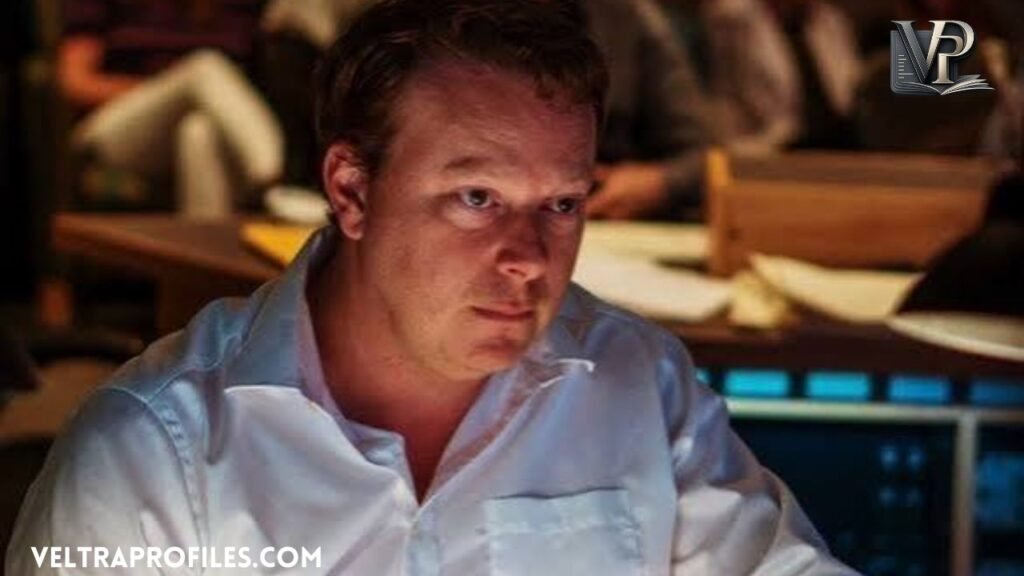
Behind every sweeping film score, there’s a name you rarely see on the poster. Stephen Coleman is one of those names, an American film orchestrator and conductor whose work sits quietly beneath some of the biggest soundtracks of the last two decades. Born on January 29, 1973, he built a career translating a composer’s raw musical ideas into full, breathing orchestral arrangements that audiences feel long before they consciously notice them.
Read more: /jamie-koepp-biography/
His path wasn’t a straight line from music school to a scoring stage. Coleman trained classically, then spent years in musical theatre before pivoting to film. That range shows up in his work. He’s collaborated with Ramin Djawadi on the Person of Interest soundtrack and conducted and orchestrated Henry Jackman’s score for The Predator, projects that demand very different musical instincts. Few professionals move between television suspense and blockbuster action scoring this comfortably, which is exactly why his name keeps turning up in the credits of major productions.
Stephen Coleman Quick Bio and Career Facts
| Field | Detail |
|---|---|
| Full Name | Stephen Coleman |
| Born | January 29, 1973 |
| Occupation | Film orchestrator and conductor, string arranger |
| Education | Bachelor’s degree in Music Composition, Manhattan School of Music (1994) |
| Notable Film/TV Credits | Person of Interest, The Predator, Jumanji: Welcome to the Jungle |
| Notable Collaborators | Ramin Djawadi, Henry Jackman |
| String Arrangement Clients | Cee-Lo, Amy Winehouse, Usher, Wyclef Jean, Nelly Furtado, Jennifer Hudson, La Roux |
| Career Base | Los Angeles, California (since 2001) |
| Spouse | Allison Chase Coleman |
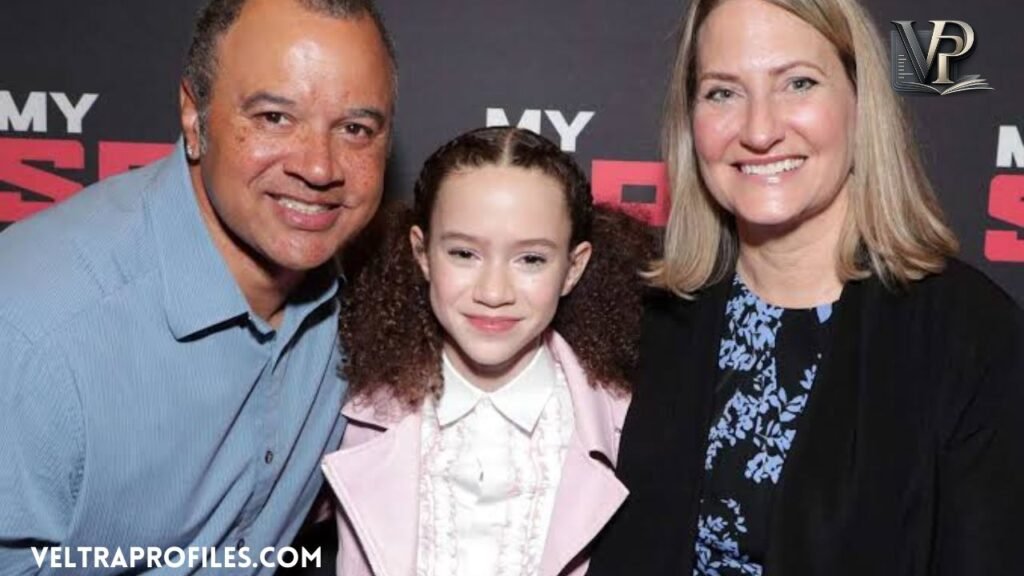
| Daughter | Chloe Coleman, youth actress (Big Little Lies, Gunpowder Milkshake) |
Notice how varied this table looks. Coleman isn’t just a film guy or just a pop-music guy. He moves between both worlds, and that duality defines nearly everything covered below.
Personal information
Full Name
Stephen Coleman is his full name.
Born
He was born on January 29, 1973.
Occupation
He works as a film orchestrator and conductor, and also as a string arranger.
Education
He earned a bachelor’s degree in Music Composition from the Manhattan School of Music in 1994.
Notable Film/TV Credits
His notable credits include Person of Interest, The Predator, and Jumanji: Welcome to the Jungle.
Notable Collaborators
He has worked closely with composers Ramin Djawadi and Henry Jackman.
String Arrangement Clients
He has arranged strings for artists including Cee-Lo, Amy Winehouse, Usher, Wyclef Jean, Nelly Furtado, Jennifer Hudson, and La Roux.
Career Base
He has been based in Los Angeles, California, since 2001.
Spouse
His wife is Allison Chase Coleman.
Daughter
His daughter is Chloe Coleman, a youth actress known for Big Little Lies and Gunpowder Milkshake.
Early Life and Musical Training at Manhattan School of Music
Every orchestrator needs a real foundation in music composition, and Coleman got his at one of the country’s most respected conservatories. He enrolled at the Manhattan School of Music in New York, a school known for producing serious working musicians rather than casual hobbyists. In 1994, he walked away with a bachelor’s degree in music composition, a credential that gave him the technical vocabulary to eventually translate other composers’ visions into full orchestral scores.
Conservatory training like this isn’t just about learning notes on a page. It teaches you harmony, counterpoint, and how individual instrument sections behave when stacked together. For someone who’d later spend a career interpreting other people’s musical intentions, that grounding mattered enormously. Manhattan itself, dense with working musicians and professional opportunities, gave Coleman early exposure to the kind of high-pressure, high-standard environment that would define his later Hollywood career. Few orchestrators enter the field without this kind of rigorous academic base, and Coleman’s early years set that pattern firmly.
Stephen Coleman’s Years in London Musical Theatre
After finishing his degree, Coleman didn’t head straight to Hollywood. Instead, he crossed the Atlantic and spent roughly seven years working in London musical theatre, a completely different discipline from film scoring but one that sharpens many of the same muscles. Theatre orchestration demands precision under pressure. Every note has to land exactly right, night after night, in front of a live audience with zero room for error.

This chapter of his career gave him something conservatories can’t fully teach: real-world consistency. Working in London’s West End theatre scene meant collaborating with directors, singers, and production teams on tight schedules, a skill set that transfers directly into the fast-paced world of film scoring. It also exposed him to a musical culture distinct from New York’s, broadening his stylistic range well before he ever touched a Hollywood score. That combination of American conservatory training and British theatrical experience became a genuine asset once he made his next big move.
Working With Cameron Mackintosh and Claude-Michel Schönberg
Coleman’s London years weren’t spent on obscure fringe productions. He worked directly with Cameron Mackintosh, one of the most influential producers in musical theatre history, known for shepherding shows like Les Misérables and The Phantom of the Opera to global success. He also collaborated with Claude-Michel Schönberg, the composer behind those very same iconic scores.
Working alongside figures of this caliber isn’t something every young musician gets to do. It reflects both talent and reliability, since large-scale theatrical productions can’t afford to gamble on unproven collaborators. This period likely shaped Coleman’s understanding of how music supports storytelling, a skill that translates almost directly into film scoring, where the orchestration needs to serve the emotional arc of a scene rather than exist as standalone art. By the time Coleman left London, he carried real credibility from some of the biggest names in musical theatre production.
Stephen Coleman’s Move to Los Angeles in 2001
In 2001, after seven formative years in London, Coleman relocated to Los Angeles, the undisputed center of the film scoring industry. This wasn’t a casual career shift. Moving from theatre orchestration to film work meant adapting to an entirely different production pipeline, one built around recording sessions, tight studio schedules, and constant collaboration with composers rather than live theatrical directors.
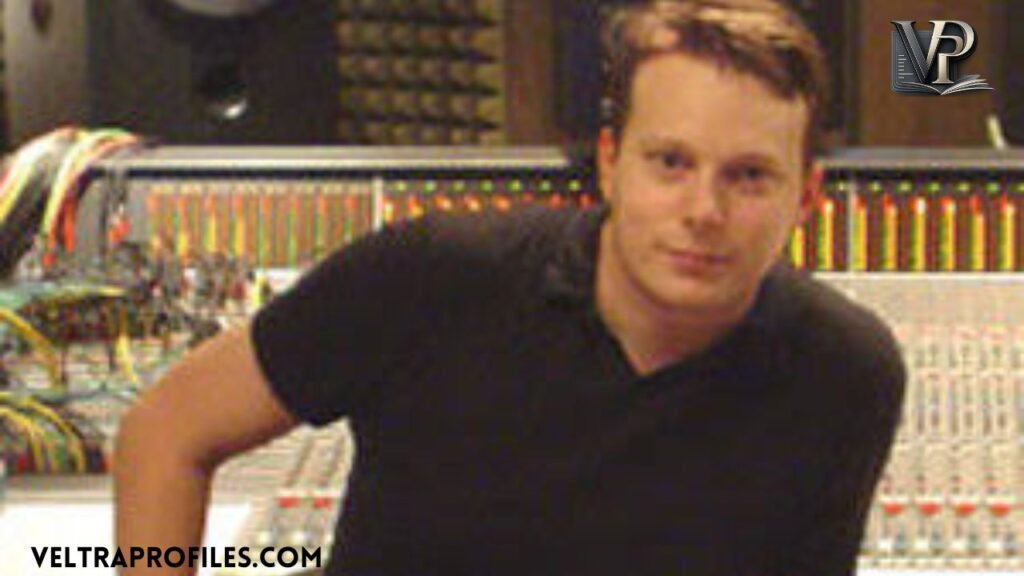
Los Angeles gave Coleman access to the scoring stages, studio musicians, and composer networks that simply don’t exist at the same scale anywhere else. It’s a competitive environment, and breaking in typically requires both strong technical skill and an established reputation. Coleman’s London theatre credentials, paired with his Manhattan School of Music training, gave him exactly that kind of foundation. Within a relatively short window, he transitioned from working in West End productions to becoming a recognized name in Hollywood orchestration, a shift that set the stage for the major film and television credits that followed.
Building a Career as a Film Orchestrator and Conductor
Once established in Los Angeles, Coleman built his reputation as one of the industry’s reliable film orchestrators and conductors. The distinction matters here. A composer writes the thematic material and core musical ideas, but an orchestrator like Coleman expands those ideas into a full score, assigning specific parts to specific instruments and ensuring the whole ensemble sounds cohesive. A conductor then leads the orchestra through the actual recording sessions, translating written notation into a living performance.
Doing both roles well requires technical mastery and genuine leadership skill, since studio recording sessions are expensive and tightly scheduled, leaving little room for hesitation on the podium. Coleman’s growing list of film and television credits throughout the 2010s reflects a musician trusted repeatedly by major composers and studios alike. Rather than being a one-project name, he became someone directors and composers returned to when they needed dependable, high-quality orchestration work under real deadline pressure.
Stephen Coleman and Person of Interest — Collaborating With Ramin Djawadi
One of Coleman’s most notable television credits came through his collaboration with Ramin Djawadi on the Person of Interest soundtrack. Djawadi, widely known for composing the Game of Thrones theme, brought a distinctive, tension-driven musical style to the CBS science-fiction thriller, and Coleman’s orchestration work helped shape how that music translated from Djawadi’s compositions into the finished recorded score.
Television scoring carries its own unique pressures. Unlike film, TV composers and their teams often work under compressed episodic schedules, turning around fresh material week after week across an entire season. Contributing consistently to a project like Person of Interest required Coleman to work efficiently without sacrificing musical quality, season after season. This kind of steady, high-volume collaboration built real trust between Coleman and Djawadi, the sort of professional relationship that tends to open doors to future projects within the tightly connected world of Hollywood composers.
Conducting and Orchestrating The Predator With Henry Jackman
Coleman’s film work includes conducting and orchestrating the score for The Predator (2018), composed by Henry Jackman. This was the fourth installment in the long-running Predator franchise, and Jackman specifically aimed to weave in Alan Silvestri’s original 1987 thematic material while still crafting fresh musical cues for the modern reboot. Jackman has described that blending process as a deliberate effort to “celebrate the score rather than avoiding it.”
Orchestrating a project with that kind of legacy weight carries real responsibility. Coleman had to help translate Jackman’s vision into a score performed by a full symphony orchestra, featuring violins, violas, double bass, woodwinds, trombones, brass, cimbasso, and a large orchestral choir. Action-heavy blockbuster scoring like this demands both technical precision and raw sonic power, since the music needs to hold its own against explosive sound design and rapid editing. Coleman’s role as conductor meant he was the one physically leading musicians through these complex, high-energy passages during recording.
Stephen Coleman’s Work on Jumanji: Welcome to the Jungle
Coleman also contributed to the music department for Jumanji: Welcome to the Jungle (2017), the hit reboot that reimagined the original 1995 film as a video-game-inspired action comedy. Scoring a project that blends comedy, adventure, and video-game aesthetics requires a different musical toolkit than a straightforward action thriller, since the music needs to support humor and adrenaline in equal measure.
This kind of stylistic flexibility is really Coleman’s calling card throughout his filmography. He isn’t locked into one genre or mood. Whether the project calls for tense television suspense, blockbuster action intensity, or the more playful energy of a family adventure comedy, his orchestration work adapts to what the story needs. That range likely stems directly from his varied background, spanning classical training, theatrical storytelling, and years working across multiple genres of Hollywood film scoring.
Stephen Coleman as a String Arranger for Top Recording Artists
Beyond film and television, Coleman has built a substantial career as a string arranger for major recording artists. His arrangement credits include work for Cee-Lo, Amy Winehouse, Usher, Wyclef Jean, Nelly Furtado, Jennifer Hudson, and La Roux, a genuinely diverse client list spanning soul, R&B, pop, and alternative music.
String arranging for pop and R&B recordings is a distinct skill from film orchestration, even though both draw on similar technical knowledge. An arranger has to figure out how strings can enhance a song’s emotional core without overpowering the vocal performance, often working within much tighter instrumental palettes than a full film score allows. Coleman’s ability to move fluidly between blockbuster film scoring and intimate pop string arrangements shows a rare kind of musical bilingualism, one that has clearly kept him in consistent demand across very different corners of the music industry.
Grammy-Nominated and Award-Winning Arrangements
Several of Coleman’s string arrangements have earned recognition at the highest level of the music industry, with multiple songs winning or receiving nominations for Grammy Awards. While the specific award-winning tracks aren’t always individually credited to the arranger in public reporting, his consistent presence across acclaimed recordings signals real industry respect.
Grammy recognition for arrangement work is genuinely difficult to achieve, since arrangers typically work behind the scenes without the visibility that performers or lead producers receive. Earning nominations or wins under these conditions usually reflects sustained, high-level craftsmanship rather than a single lucky break. For Coleman, this recognition reinforces what his client list already suggests: he isn’t a peripheral figure in these projects but a meaningful creative contributor whose string work helps shape how a finished song actually sounds and feels to listeners.
Stephen Coleman’s Collaborations With Cee-Lo, Usher, and Amy Winehouse
Looking closer at specific names on Coleman’s client roster reveals just how far his reach extends across genres. Cee-Lo Green, known for his soulful, genre-blending sound, and Usher, one of R&B’s most consistent hitmakers, both represent very different musical territories from Amy Winehouse, whose blend of soul, jazz, and pop defined a distinct era of British music before her passing in 2011.
Arranging strings for artists this stylistically different requires real adaptability. What works for Usher’s polished, contemporary R&B production wouldn’t necessarily suit Amy Winehouse’s rawer, vintage-inflected sound. Coleman’s success across all these projects points to a deep, flexible musical ear, one capable of shaping arrangements around each artist’s individual identity rather than applying a single formulaic approach. This adaptability likely traces back to his theatrical roots, where every production demands its own distinct musical voice rather than a repeated template.
Stephen Coleman’s Impact on Modern Film Scoring
Stepping back, Coleman’s overall contribution to modern film scoring becomes clearer when you consider the full scope of his credits together. He’s helped bring to life scores for a major streaming-era television thriller, a long-running action franchise reboot, and a family-friendly studio blockbuster, while simultaneously maintaining an active career arranging strings for chart-topping pop and R&B artists.
This dual-track career, moving between screen scoring and popular music arrangement, reflects a broader trend in the modern entertainment industry, where the line between film music professionals and mainstream recording artists has grown increasingly blurred. Orchestrators like Coleman who can operate fluently in both worlds become genuinely valuable, since studios and record labels alike need collaborators who understand both symphonic scale and contemporary pop sensibility. His career stands as a strong example of that increasingly common, increasingly necessary hybrid skill set within today’s Hollywood orchestration landscape.
Stephen Coleman’s Legacy in Hollywood Music Production
Taken as a whole, Stephen Coleman’s career tells a story of quiet, consistent craftsmanship rather than headline-grabbing fame. From his classical training at the Manhattan School of Music, through seven years shaping West End theatrical productions alongside Cameron Mackintosh and Claude-Michel Schönberg, to his eventual move into Hollywood’s competitive scoring world, Coleman built a career on adaptability and technical excellence rather than any single breakout moment.
His work orchestrating and conducting scores for Person of Interest and The Predator, alongside his contributions to Jumanji: Welcome to the Jungle, places him firmly within the modern era of film and television music production. Add in his parallel career arranging strings for artists like Amy Winehouse, Usher, and Cee-Lo, and a clear picture emerges: Stephen Coleman represents the kind of behind-the-scenes musical professional whose fingerprints show up across far more of the entertainment industry than most audiences ever realize.
FAQs About Stephen Coleman
Who is Stephen Coleman?
He’s an American film orchestrator and conductor, born January 29, 1973, known for his work on Person of Interest, The Predator, and Jumanji: Welcome to the Jungle.
Where did Stephen Coleman study music?
He earned a bachelor’s degree in Music Composition from the Manhattan School of Music in New York in 1994.
What did Stephen Coleman do before working in film?
He spent about seven years working in London musical theatre, collaborating with producer Cameron Mackintosh and composer Claude-Michel Schönberg.
When did Stephen Coleman move to Los Angeles?
He relocated from London to Los Angeles in 2001 to pursue a career in film scoring and orchestration.
What is Stephen Coleman’s connection to Ramin Djawadi?
He collaborated with Djawadi on the orchestration for the Person of Interest television soundtrack.
Did Stephen Coleman work on any Predator films?
Yes, he conducted and orchestrated the score for The Predator (2018), composed by Henry Jackman.
Which artists has Stephen Coleman arranged strings for?
His arrangement clients include Cee-Lo, Amy Winehouse, Usher, Wyclef Jean, Nelly Furtado, Jennifer Hudson, and La Roux.
Has Stephen Coleman won any awards?
Several songs he arranged strings for have won or been nominated for Grammy Awards, though individual arranger credit for specific wins isn’t always publicly itemized.
Is Stephen Coleman related to actress Chloe Coleman?
Yes, Chloe Coleman, known for Big Little Lies and Gunpowder Milkshake, is his daughter with his wife, Allison Chase Coleman.
What makes Stephen Coleman’s career unique?
His ability to move fluidly between blockbuster film scoring, television orchestration, and pop/R&B string arrangement sets him apart from orchestrators who specialize in just one lane.
Conclusion
Stephen Coleman’s career proves that some of the most influential contributors to modern entertainment never step into the spotlight themselves. From his early training at the Manhattan School of Music to his years shaping West End theatrical scores, and finally to his current standing as a respected film orchestrator and conductor in Los Angeles, his path reflects steady craftsmanship built across decades rather than a single defining moment.
Whether he’s conducting a full orchestra for a Predator sequel, orchestrating tense television cues for Person of Interest, or arranging strings for artists like Amy Winehouse and Usher, Coleman’s work consistently shows up in places audiences feel without necessarily noticing his name. That’s the nature of orchestration itself: essential, technically demanding, and often invisible. As film and television scoring continues evolving, professionals like Stephen Coleman remain the connective tissue holding a composer’s vision together, one carefully arranged note at a time.