
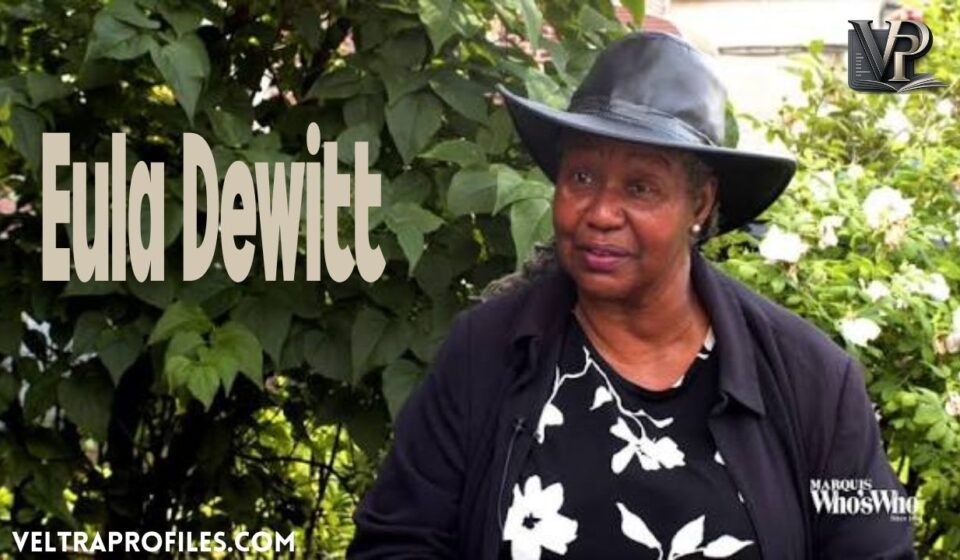

Eula DeWitt built a career that most people would consider two entirely separate paths, only to weave them together into one remarkable life story. By day, she spent decades working as a field agent and instructor for the Internal Revenue Service. Alongside that career, she pursued theological education, ordination, and missionary work spanning four continents.
Her story stands out precisely because it defies the usual career narrative. Rather than choosing between a stable professional path and a calling toward ministry, Eula DeWitt pursued both simultaneously, eventually earning recognition as a Marquis Who’s Who Lifetime Achiever for her contributions to the accounting profession. This article traces her full journey, from her childhood in Conway, South Carolina, through her IRS career, her theological training, and her decades of ministry and missionary work around the world.
Who Is Eula DeWitt?
Eula DeWitt is an American accountant, ordained minister, and missionary whose career bridges two fields rarely combined at this level of depth. Born February 5, 1948, in Conway, South Carolina, she went on to build a professional identity centered on both financial expertise and spiritual service.
Her professional credentials include a Bachelor of Science in Accounting and Economics from the City University of New York, along with advanced theological degrees, including a Master of Theology, a Doctor of Divinity earned magna cum laude, and a PhD, all completed through Lighthouse Christian College. This combination of secular financial training and formal religious education is uncommon, and it reflects a deliberate, lifelong effort to develop expertise in both domains rather than treating one as a hobby alongside the other.
Read more: /jessica-grove-biography/
Professionally, she spent much of her career with the Internal Revenue Service, working as a field agent, instructor, and eventually a certified enrolled agent, a credential that allows tax professionals to represent taxpayers before the IRS. At the same time, she built an extensive ministry résumé, serving as an associate minister, missionary evangelist, and prison ministry volunteer.
In 2017, Marquis Who’s Who recognized her contributions with a Lifetime Achievement Award, an honor reserved for individuals with sustained, noteworthy accomplishment within their field. This introduction only covers the surface. The sections ahead explore each chapter of her life in detail, from her Southern upbringing to her missionary trips across the globe.
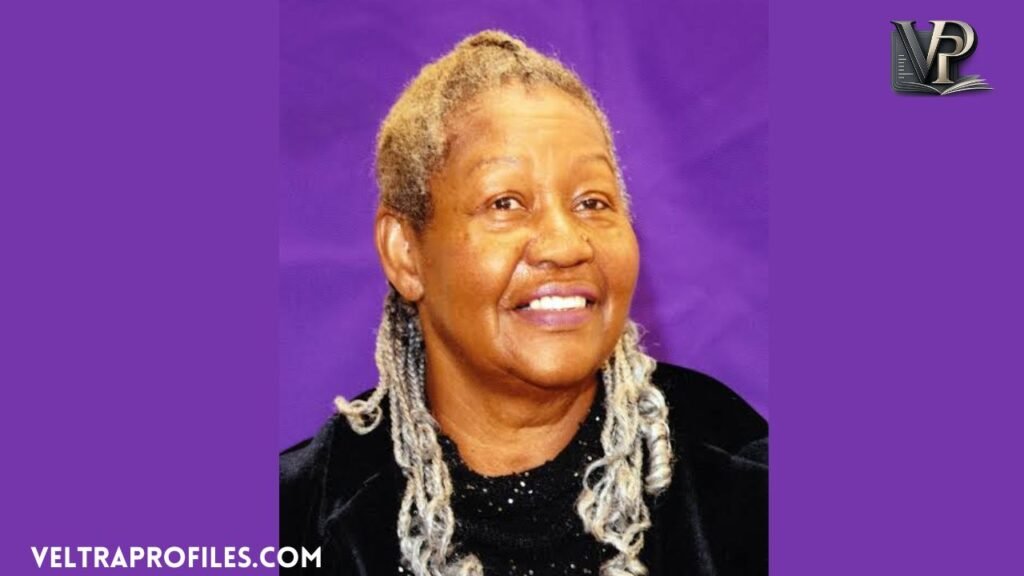
Quick Bio info
| Category | Details |
|---|---|
| Full Name | Rev. Dr. Eula DeWitt |
| Nickname | Not publicly documented |
| Gender | Female |
| Date of Birth | February 5, 1948 |
| Age | 78 (as of September 2026) |
| Birthplace | Conway, South Carolina, USA |
| Hometown | Conway, South Carolina |
| Current Residence | Likely New York (based on her IRS career and ministry work in NYC); not officially confirmed |
| Nationality | American |
| Ethnicity | Not publicly disclosed |
| Religion | Christian (active in Baptist and Missionary church traditions) |
| Education | BS in Accounting & Economics (CUNY); certificate, Bethlehem Bible College; Master of Theology, Doctor of Divinity (magna cum laude), and PhD, all from Lighthouse Christian College |
| Profession | Accountant, IRS enrolled agent, ordained minister, missionary evangelist |
| Languages Spoken | English |
| Hobbies & Interests | Ministry work, missionary travel, public speaking, prison outreach |
| Marital Status | Not publicly disclosed |
| Spouse/Partner | Not publicly disclosed |
| Children | Not publicly disclosed |
| Father | Joseph DeWitt |
| Mother | Ethel Maude DeWitt |
| Siblings | Not publicly disclosed |
Personal information
Full Name
Her full name is Rev. Dr. Eula DeWitt.
Nickname
No nickname is publicly known for her.
Gender
Eula DeWitt is female.
Date of Birth
She was born on February 5, 1948.
Age
As of September 2026, she is 78 years old.
Birthplace
She was born in Conway, South Carolina, USA.
Hometown
Conway, South Carolina is considered her hometown.
Current Residence
Her current residence is not officially confirmed, though her long career and ministry work suggest a base in New York.
Nationality
She holds American nationality.
Ethnicity
Her ethnicity is not something she has publicly stated.
Religion
She is Christian, with active ties to Baptist and Missionary church traditions.
Education
She holds a Bachelor’s degree in Accounting from CUNY, along with a Master of Theology, a Doctor of Divinity, and a PhD, all earned through Lighthouse Christian College.
Profession
She works as an accountant, IRS enrolled agent, ordained minister, and missionary evangelist.
Languages Spoken
English is her known language.
Hobbies & Interests
Her main interests include ministry work, missionary travel, public speaking, and prison outreach.
Marital Status
Her marital status has not been made public.
Spouse / Partner
No partner has been publicly identified.
Children
It’s not publicly known whether she has children.
Father
Her father is Joseph DeWitt.
Mother
Her mother is Ethel Maude DeWitt.
Siblings
No siblings have been publicly documented for her.
Eula DeWitt’s Early Life in Conway, South Carolina
Eula DeWitt was born on February 5, 1948, in Conway, South Carolina, a small city located in Horry County near the state’s coastal region. Growing up in the American South during the mid-20th century placed her within a community deeply shaped by both strong religious traditions and significant social change throughout her childhood and early adulthood.
Conway itself has long maintained a close connection to Southern Baptist and other Protestant church traditions, and communities like this often placed heavy emphasis on church attendance, Sunday school participation, and active congregational involvement from an early age. This environment likely played a foundational role in shaping her lifelong commitment to ministry, long before she formalized that calling through theological education.
Her educational path began locally as well, attending Clara Barton Vocational High School, where she became certified in cosmetology. This detail is notable because it shows her early career interests didn’t immediately point toward accounting or ministry. Vocational training in cosmetology represents a practical, hands-on skill set, suggesting she initially pursued a fairly different professional direction before her path shifted significantly later on.
This early foundation in a small Southern community, combined with vocational training outside her eventual accounting and ministry careers, illustrates a winding but purposeful journey. Many people who eventually build multifaceted careers like hers often start with seemingly unrelated early interests, only discovering their true calling after exploring several different paths first.
Eula DeWitt’s Family Background and Parents
Eula DeWitt is the daughter of Joseph DeWitt and Ethel Maude DeWitt. While detailed information about her parents’ own careers and lives isn’t widely documented publicly, her family name and Southern roots connect her firmly to the Conway, South Carolina community where she was born and raised.
Family background often plays a significant role in shaping the values and priorities that guide someone’s later life choices, particularly when it comes to faith and community involvement. Growing up under the guidance of parents named specifically within her official biographical record suggests a household that valued documented, formal family history, a detail sometimes overlooked in biographical profiles of less prominent public figures.
Her decision to pursue both a serious accounting career and an equally serious ministry path likely reflects values instilled during her upbringing. Many individuals who eventually pursue formal religious education alongside secular professional training point back to family environments that emphasized both practical education and spiritual devotion as equally important priorities, rather than treating one as more valuable than the other.
While specific details about her siblings, extended family, or childhood home life remain outside the public record, the consistent documentation of her parents’ names within her official Marquis Who’s Who timeline reflects a woman who values honoring her family origins as part of her broader life story. This grounding in family and community likely provided the stability needed to pursue such an ambitious, dual-track career later in life.
Eula DeWitt’s Education from CUNY to Lighthouse Christian College
Eula DeWitt‘s educational journey spans multiple decades and disciplines, reflecting a lifelong commitment to formal learning rather than a single early degree followed by decades of unchanged professional routine. She began with practical vocational training in cosmetology during high school, before eventually pursuing a Bachelor of Science in Accounting and Economics from the City University of New York.
Earning a business-focused degree from CUNY provided her with the technical foundation needed for her subsequent career with the Internal Revenue Service. Accounting and economics programs require rigorous quantitative skills, and successfully completing this degree demonstrates a serious commitment to mastering complex financial concepts, separate entirely from her ministry-focused education that came later.
Her theological education followed a similarly thorough path. She earned a certificate from Bethlehem Bible College, followed by a Master of Theology, and eventually a Doctor of Divinity, which she completed magna cum laude, meaning with great distinction, through Lighthouse Christian College. Graduating with this level of academic honor in a demanding theological program reflects serious scholarly dedication, not simply a casual pursuit of ministry credentials.
She capped this educational journey by earning a PhD in 2011, decades into her professional career. Returning to complete a doctoral degree at this stage of life demonstrates significant ongoing commitment to formal scholarship, well beyond what’s typically required for either her accounting career or her ministry work. This combination of business and theological education across multiple decades illustrates a genuinely rare, sustained investment in lifelong learning.
Eula DeWitt’s Career with the Internal Revenue Service
Professionally, Eula DeWitt spent a substantial portion of her career working with the Internal Revenue Service, beginning as a field agent after completing her accounting degree at CUNY. Field agents handle direct taxpayer interactions, audits, and compliance work, requiring both technical accounting knowledge and strong interpersonal skills to navigate often stressful financial conversations with taxpayers.
Her role expanded over time to include work with the IRS Public Speakers Bureau, a program that sends trained IRS representatives to educate community groups, businesses, and organizations about tax matters. Taking on public speaking responsibilities within a federal agency requires clear communication skills and confidence presenting complex financial information to non-expert audiences, a skill set that likely served her well later in her ministry work as well.
She eventually became an instructor for revenue agents, training incoming IRS employees on proper procedures and technical accounting standards. Moving from field work into an instructional role represents a significant career progression, reflecting recognized expertise and leadership within the agency. Training other professionals requires not just personal competence, but the ability to clearly explain complex processes to others learning the role for the first time.
Her career culminated with certification as an enrolled agent, a credential granted by the IRS itself that allows tax professionals to represent taxpayers in matters before the agency, including audits and appeals. This is considered one of the highest credentials available in the tax preparation field, requiring passing a comprehensive exam covering federal tax law and IRS procedures.
Eula DeWitt as a Certified Enrolled Agent and Accountant
Becoming a certified enrolled agent represents one of the most significant professional achievements within Eula DeWitt‘s accounting career. This designation, granted directly by the U.S. Department of the Treasury, allows tax professionals unlimited rights to represent taxpayers before the IRS, covering everything from routine filings to complex audits and appeals.
Unlike many tax credentials that require only state-level licensing, enrolled agent status carries federal recognition and demands passing the Special Enrollment Examination, a rigorous, multi-part test covering individual and business tax law, along with IRS representation procedures. Successfully earning this credential after years of hands-on IRS field experience demonstrates comprehensive mastery of the tax field from both the government and taxpayer representation perspectives.
Her extensive career within the IRS itself, spanning field agent work, public speaking, and instructional roles, gave her a uniquely well-rounded understanding of the tax system before transitioning to represent taxpayers directly as an enrolled agent. This progression, from working inside the agency to eventually advocating for individuals navigating that same agency, reflects a natural, logical career arc built on genuine expertise rather than a sudden career change.
Her later recognition as a Marquis Who’s Who Lifetime Achiever specifically cited her leadership within the accounting industry, reflecting how her career, spanning federal service and independent enrolled agent work, earned respect throughout her professional field. This sustained excellence across more than three decades in accounting represents a genuinely impressive standalone career, even before factoring in her separate accomplishments in ministry.
Eula DeWitt’s Call to Ministry and Ordination
Alongside her accounting career, Eula DeWitt pursued an equally serious calling toward ministry, beginning with her early role as a Sunday School teacher at Bethlehem Missionary Church. This early involvement in religious education often serves as a foundational step for individuals who go on to pursue formal ordination, since teaching Sunday school requires developing skills in biblical instruction and community engagement from an early stage.
Her formal path toward ordination progressed through extensive theological education, including her certificate from Bethlehem Bible College, followed by graduate-level theological degrees. This structured educational path reflects a serious, methodical approach to ministry preparation, rather than an informal or purely experiential path toward religious leadership.
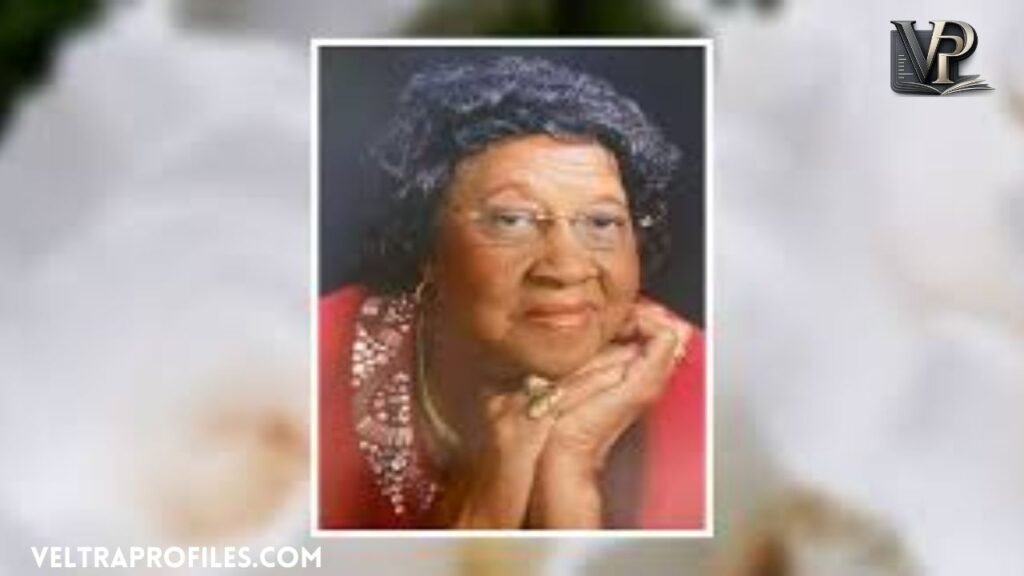
She eventually became an ordained Reverend, a title that appears consistently alongside her name in professional biographical records. Achieving formal ordination while simultaneously maintaining a demanding federal accounting career required significant time management and dedication across both professional domains, something relatively few people successfully sustain over multiple decades.
Her ministry calling appears deeply connected to her professional accounting identity as well, based on her own public reflections describing her IRS work as being guided by faith. This integration of spiritual calling with secular professional work suggests she never viewed her two career paths as separate, but rather as complementary expressions of the same underlying purpose and values guiding her life’s work.
Eula DeWitt’s Work as a Sunday School Teacher and Associate Minister
Eula DeWitt‘s ministry work began at the grassroots level, teaching Sunday school at Bethlehem Missionary Church before eventually advancing to more formal leadership roles within her faith community. This progression from teaching to ordained ministry reflects a common but demanding path for many religious leaders, requiring years of demonstrated commitment before advancing to positions of greater responsibility.
She went on to serve as an associate minister at Bethel Baptist Church beginning in 2000, a role that typically involves supporting the lead pastor through preaching, pastoral care, community outreach, and administrative responsibilities within the congregation. Associate ministers often handle significant portions of a church’s day-to-day spiritual and organizational needs, requiring both theological knowledge and strong leadership skills.
Taking on this role while continuing her IRS career demonstrates remarkable time management and dedication, since ministry positions typically demand significant time commitments beyond a standard work week. Weekend services, pastoral counseling sessions, and community events all require flexibility and sustained energy alongside full-time secular employment.
Her sustained involvement with Bethel Baptist Church, continuing for years without interruption based on available records, suggests a stable, long-term commitment to this specific congregation rather than moving between different ministry positions. This kind of consistency within a single faith community often reflects deep, mutual trust between a minister and their congregation, built through years of reliable service and pastoral care.
Eula DeWitt’s Prison Ministry at Rikers Island
One of the more distinctive aspects of Eula DeWitt‘s ministry work involves her long-term commitment to prison ministry at Rikers Island, one of the largest and most well-known correctional facilities in the United States. She has served as part of the prison ministry team through Bethlehem Missionary Church since 1996, representing decades of sustained, direct engagement with incarcerated individuals.
Prison ministry work demands a particular kind of spiritual and emotional resilience, since it involves engaging directly with individuals facing some of the most difficult circumstances imaginable, often dealing with trauma, isolation, and uncertainty about their futures. Volunteers in this type of ministry typically provide spiritual counseling, religious services, and a sense of human connection to a population frequently overlooked by broader society.
Rikers Island specifically has faced significant scrutiny over the years regarding conditions within the facility, making consistent, compassionate ministry work there particularly meaningful. Volunteers who commit to this kind of environment long-term, as Eula DeWitt has for nearly three decades, often become trusted, familiar presences within an otherwise difficult and transient institutional environment.
This nearly thirty-year commitment stands out even among her broader ministry work, since prison ministry rarely offers the visible community recognition that traditional congregational ministry provides. Her sustained dedication to this specific, challenging form of service reflects a genuine commitment to serving marginalized populations, not simply building a more visible or convenient ministry career.
Eula DeWitt’s Missionary Work Around the World
Beyond her local ministry commitments in New York, Eula DeWitt built an extensive record of international missionary work, traveling to Belize, England, Guyana, Nigeria, and the West Indies throughout her ministry career. This kind of global missionary travel requires significant logistical planning, cultural adaptability, and often personal financial sacrifice to support extended trips abroad.
Her missionary work in Nigeria specifically included multiple trips across several different states within the country, including Kano State, Jos State, and Benue State. Nigeria represents one of the most religiously diverse countries in Africa, and missionary work there often involves navigating complex cultural and religious dynamics, requiring sensitivity and genuine cross-cultural understanding.
International missionary work of this scope, spanning multiple continents and countries over an extended career, reflects a serious, sustained commitment to global ministry rather than a single symbolic mission trip. Many ministers participate in one or two international missions during their careers, but building a consistent pattern of travel across several different countries and regions suggests missionary work became a core, ongoing component of her broader ministry identity.
This global missionary experience likely also enriched her domestic ministry work, since exposure to diverse cultural and religious contexts abroad often provides valuable perspective for ministers serving diverse congregations at home. Her combination of local prison ministry, congregational leadership, and international missionary work together paints a picture of an unusually comprehensive, multifaceted ministry career.
Eula DeWitt’s Role with Wartburg Lutheran Home for Seniors
Since 1999, Eula DeWitt has served as a missionary evangelist with the Wartburg Lutheran Home for Seniors, extending her ministry work into elder care specifically. This role represents a distinct form of ministry, focused specifically on providing spiritual support and care to an aging population, often facing health challenges, isolation, and end-of-life concerns.
Ministry work within senior care facilities requires particular sensitivity, since residents often grapple with mortality, loss of independence, and separation from family members in ways that differ significantly from ministry work with younger, healthier populations. Evangelists serving in this context must balance spiritual guidance with genuine compassion for the physical and emotional realities of aging.
Her sustained involvement with Wartburg since 1999 represents another multi-decade ministry commitment, adding to her already extensive record of long-term service across different ministry contexts. This pattern of sustained, decades-long commitments, rather than shorter-term ministry positions, appears consistently throughout her broader career, suggesting a genuine, patient approach to ministry relationships built over years rather than quick engagements.
Combined with her prison ministry work, her involvement with senior care ministry demonstrates a particular focus on serving populations often considered vulnerable or marginalized within broader society. This consistent thread across her ministry career, prioritizing incarcerated individuals and elderly residents alongside traditional congregational work, reflects specific, intentional values guiding her broader approach to faith-based service throughout her life.
How Faith Shaped Eula DeWitt’s Career as “The Dispatcher”
One of the more distinctive aspects of Eula DeWitt‘s public reflections involves how she describes her professional calling within the IRS. In interviews, she has referred to God as “the Dispatcher,” explaining that she felt directly called to her accounting work as a way of serving people through her professional role, rather than viewing it purely as secular employment.
This framing offers unique insight into how she personally reconciled her demanding federal accounting career with her equally serious ministry calling. Rather than treating these as separate, competing priorities, she appears to have viewed her IRS work itself as a form of ministry, using her professional position to help people navigate often stressful and confusing tax situations.
This perspective aligns with a broader theological tradition sometimes described as viewing all work as potential ministry, regardless of whether that work takes place within a traditional religious setting. Many faith traditions emphasize that any profession, when approached with proper intention and service to others, can become a meaningful expression of spiritual calling, not just formal religious roles like preaching or missionary work.
Her willingness to publicly discuss this integration of faith and professional identity, through interviews and public speaking opportunities, suggests she views her story as potentially instructive for others navigating similar questions about faith and career. Rather than compartmentalizing her spiritual and professional identities, Eula DeWitt‘s public reflections consistently present them as fundamentally connected expressions of the same underlying purpose.
Eula DeWitt’s Recognition as a Marquis Who’s Who Lifetime Achiever
In October 2017, Eula DeWitt received formal recognition as a Lifetime Achiever through Marquis Who’s Who, a publisher known for producing biographical profiles of accomplished individuals across various professional fields. This recognition specifically highlighted her leadership within the accounting industry, based on her sustained career achievements and professional credentials.
Marquis Who’s Who selects individuals for inclusion based on factors including professional position, noteworthy accomplishments, and overall prominence within their field. Being specifically named a Lifetime Achiever represents an elevated distinction beyond standard inclusion, typically reserved for individuals with decades of demonstrated excellence and sustained contribution to their profession.
This recognition arrived after more than thirty years of professional experience, reflecting the cumulative impact of her extensive IRS career, her work as a certified enrolled agent, and her broader contributions to the accounting field throughout her professional life. Awards like this typically require substantial documented evidence of sustained excellence, rather than recognizing a single notable achievement or shorter-term career success.
While this specific recognition focused on her accounting career, it’s worth noting that her ministry and missionary work, spanning prison outreach, international missions, and senior care evangelism, remained active and ongoing throughout this same period. This suggests her professional recognition came without requiring her to step back from her equally demanding ministry commitments, reflecting the genuinely dual-track nature of her sustained career success across both fields simultaneously.
Eula DeWitt’s Legacy in Accounting and Ministry
Looking at Eula DeWitt‘s complete career, her legacy centers on a rare, sustained integration of professional excellence and spiritual service across more than four decades. Few individuals successfully build recognized, decades-long careers in two entirely distinct fields simultaneously, yet her record demonstrates exactly this kind of sustained dual commitment.
Within accounting specifically, her progression from field agent to instructor to certified enrolled agent, culminating in formal recognition as a Marquis Who’s Who Lifetime Achiever, represents a genuinely impressive standalone professional legacy. Her expertise helped train other IRS professionals and directly served taxpayers navigating complex federal tax matters throughout her career.
Within ministry, her legacy spans local congregational leadership, decades of prison ministry service at one of the country’s most challenging correctional facilities, senior care evangelism, and international missionary work across multiple continents. This breadth of ministry experience, sustained over multiple decades without significant gaps, reflects a genuinely comprehensive approach to faith-based service.
Perhaps most significantly, her personal framing of her accounting career as fundamentally connected to her spiritual calling offers a distinctive legacy beyond her specific professional accomplishments. Her public reflections on viewing government service as ministry work provide a meaningful example for others seeking to integrate faith and professional identity, rather than treating them as entirely separate aspects of life requiring careful compartmentalization.
What Eula DeWitt’s Story Teaches About Faith and Career
Eula DeWitt‘s life story offers a compelling example of how faith and professional ambition can reinforce each other rather than compete for limited time and energy. Her sustained, multi-decade success across both federal accounting work and extensive ministry service demonstrates that dual-track careers, while demanding, remain genuinely achievable with sufficient commitment and clear underlying purpose.
Her educational path, spanning both business-focused degrees from CUNY and advanced theological training through Lighthouse Christian College, illustrates the value of pursuing formal education across multiple disciplines rather than assuming professional and spiritual development require entirely separate educational tracks. This combination gave her credibility and expertise within both fields simultaneously.

Her specific focus on serving marginalized populations, through prison ministry and senior care evangelism, alongside more traditional congregational leadership, suggests her approach to ministry prioritized genuine service over visibility or convenience. This pattern offers a meaningful example for anyone considering how to structure their own approach to faith-based service and community involvement.
Ultimately, her story suggests that viewing professional work itself as a form of calling, rather than treating career and faith as separate compartments, can provide sustained motivation and meaning across a long career. Whether or not readers share her specific religious framework, the underlying lesson about integrating personal values with professional life offers broadly applicable insight for anyone seeking greater purpose within their own career path.
Conclusion
Eula DeWitt‘s life demonstrates that professional excellence and spiritual calling don’t have to exist in separate, competing lanes. Across more than four decades, she built a genuinely impressive career with the Internal Revenue Service, culminating in Marquis Who’s Who Lifetime Achiever recognition, while simultaneously pursuing an equally serious calling toward ministry, missions, and service to marginalized communities.
From her early days as a Sunday school teacher in Conway, South Carolina, to decades of prison ministry at Rikers Island and missionary work spanning four continents, her story reflects sustained commitment across every area of her life. Eula DeWitt‘s legacy ultimately offers a powerful reminder that a life well-lived doesn’t require choosing between professional achievement and spiritual purpose. Sometimes, the most meaningful careers come from weaving both together with equal dedication.