


Some directors become famous. Others become foundational. Ronald Wilson belongs firmly in the second category. Born in Victoria, British Columbia in 1930 and trained as a television director through the BBC’s own rigorous internal program, he spent four decades quietly shaping some of the most celebrated drama in the history of British television. He gave Jeremy Irons one of his earliest major roles. He directed Daniel Day-Lewis in a formative early performance that the actor himself has cited as significant. He won the Broadcasting Press Award and earned both BAFTA and Emmy finalist recognition. He adapted the work of Nobel Prize winning author Alice Munro in a production that Munro herself described as his finest work. And then, after retiring from directing, he spent twenty years teaching at the Royal Academy of Dramatic Art, shaping the next generation of British performance talent with the same quiet collaborative intelligence that had defined every production he ever helmed.
Ronald Wilson isn’t a household name. That’s exactly the kind of career he built and precisely the kind of legacy that rewards careful attention. He wasn’t interested in celebrity. He was interested in the work and the work was extraordinary. His directing approach, meticulous adaptation of literary sources, deep support for his actors, careful listening, collaborative intelligence, produced some of the most enduring BBC drama of the second half of the twentieth century. This biography tells the full story of a genuinely remarkable creative life that deserves far more recognition than it has typically received.
Who Was Ronald Wilson?
Ronald Wilson was a Canadian television director and occasional actor whose career stands as one of the most quietly distinguished in the entire history of BBC drama. Born on April 2, 1930 in Victoria, British Columbia, Canada, he moved to London at the age of twenty-two, built an acting career across stage, radio, and television, then transitioned into television directing through the BBC’s prestigious internal training course and spent the following decades creating some of the most celebrated literary adaptations in British broadcasting history. He is also known professionally as Ronnie Wilson and both names appear across IMDb, BAFTA, and BBC credit records.
Read more: /matthew-brooks-biography/
His most significant professional legacy operates across two distinct dimensions. The first is his body of directing work, which includes The Pallisers (1974), To Serve Them All My Days (1980), The Devil’s Crown (1978), Frost in May (1982), The Black Tower (1985), Campion (1989-1990), and Lives of Girls and Women (1994). The second is his educational legacy at RADA where he taught for twenty years following his retirement from directing and was deeply admired by generations of students for the same qualities his actors had always valued: careful listening, genuine collaborative generosity, and an absolute commitment to the human truth at the center of every scene. He died on July 17, 2014 in Milford on Sea, Hampshire, of a heart attack while swimming in the sea, aged 84.

Quick Bio info
| Field | Detail |
|---|---|
| Full Name | Ronald Wilson |
| Also Known As | Ronnie Wilson |
| Born | April 2, 1930 |
| Birthplace | Victoria, British Columbia, Canada |
| Died | July 17, 2014 |
| Death Location | Milford on Sea, Hampshire, England |
| Age at Death | 84 years old |
| Nationality | Canadian |
| Education | University of British Columbia — BBC Director Training Course |
| Profession | Television Director, Actor, RADA Teacher |
| Most Famous Credits | Campion, The Pallisers, To Serve Them All My Days, Frost in May |
| Celebrity Discoveries | Jeremy Irons (The Pallisers), Daniel Day-Lewis (Frost in May) |
| Awards | Broadcasting Press Award, BAFTA finalist, Emmy finalist |
| Wife | Gay Cameron — actress — married 1964 |
| Children | Son Charlie, daughter Fanny, two grandsons |
| RADA Teaching | 20 years — deeply admired by students |
Personal information
Full Name
Ronald Wilson is his full name.
Also Known As
He was also known as Ronnie Wilson.
Born
He was born on April 2, 1930.
Birthplace
He was born in Victoria, British Columbia, Canada.
Died
He passed away on July 17, 2014.
Death Location
He died in Milford on Sea, Hampshire, England.
Age at Death
He was 84 years old at the time of his death.
Nationality
He was Canadian.
Education
He studied at the University of British Columbia and completed the BBC Director Training Course.
Profession
He worked as a television director, actor, and RADA teacher.
Most Famous Credits
He is best known for directing Campion, The Pallisers, To Serve Them All My Days, and Frost in May.
Celebrity Discoveries
He is credited with discovering Jeremy Irons for The Pallisers and Daniel Day-Lewis for Frost in May.
Awards
He received a Broadcasting Press Award and was a finalist for both a BAFTA and an Emmy.
Wife
He married actress Gay Cameron in 1964.
Children
He had a son, Charlie, a daughter, Fanny, and two grandsons.
RADA Teaching
He taught at RADA for 20 years and was deeply admired by his students.
Early Life and Childhood in Victoria British Columbia
Victoria, British Columbia sits at the southern tip of Vancouver Island on Canada’s Pacific coast, a city with a distinctly British character, formal gardens, and a cultural sensibility that has always leaned more toward the arts than toward industry. Growing up there in the 1930s meant growing up in an environment that valued tradition, refinement, and a specific kind of cultural engagement that the city’s British heritage encouraged. Ronald Wilson grew up immersed in this environment and developed a consuming passion for cinema from childhood that would shape the entire trajectory of his professional life.
The specific intensity of his childhood relationship with cinema was significant enough that his parents felt it needed to be managed. They sent him to boarding school, a decision that says something both about the seriousness of his cinematic obsession and about the specific parenting culture of the era and social milieu he was born into. Boarding school in British Columbia during the 1940s provided exactly the kind of formal, disciplined educational environment that the era associated with character formation and the development of adult professional seriousness. What it couldn’t do was diminish Ronald Wilson’s passion for performance and storytelling. That passion survived boarding school intact and found its proper outlet when he arrived at the University of British Columbia and discovered the Players Club.
The specific character of Victoria as a childhood environment for Ronald Wilson deserves careful attention because it contributed something real to the professional sensibility he would later bring to his directing work. Victoria’s cultural Britishness, its emphasis on literary tradition, theatrical performance, and the specific kind of quality-focused cultural consumption that its population valued, gave the young Ronald Wilson a framework for understanding artistic ambition that was already oriented toward the kind of material he would later spend his career adapting. The city’s proximity to the sea also shaped him in ways that showed up literally in the final chapter of his life when he died as he had apparently always loved to live, in the water, off the coast of Hampshire, England, a country that had become as much his home as British Columbia had been in his youth.
Ronald Wilson at the University of British Columbia — The Players Club
When Ronald Wilson arrived at the University of British Columbia he enrolled to study English, a natural academic choice for someone with a passion for storytelling and literary narrative. But the formal curriculum quickly became secondary to the extracurricular life that would genuinely shape his professional future. He devoted the majority of his time and energy at UBC to the Players Club, the university’s theatrical organization, where he threw himself into every dimension of the theatrical process simultaneously. He directed productions. He painted sets. He acted in leading roles. The breadth of his engagement with the craft of theater making rather than simply the craft of performance was already visible in those university years and it reflects exactly the complete theatrical intelligence that would later make him such an effective television director.
His favorite role during his Players Club years was Iago from Shakespeare’s Othello, a choice that reveals something specific and interesting about his theatrical instincts. Iago is the ultimate manipulator, the figure who operates from behind the scenes, shaping events and outcomes through subtle influence rather than direct action. For a young man who would later build his career as a director, the instinctive attraction to the character who orchestrates everything from a position of apparent invisibility suggests a self-awareness about his own theatrical nature that most performers don’t develop until much later in their careers. Ronald Wilson seems to have understood from his earliest theatrical encounters that his natural creative home was behind the scenes rather than in front of the audience, a preference that would prove defining across his entire professional life.
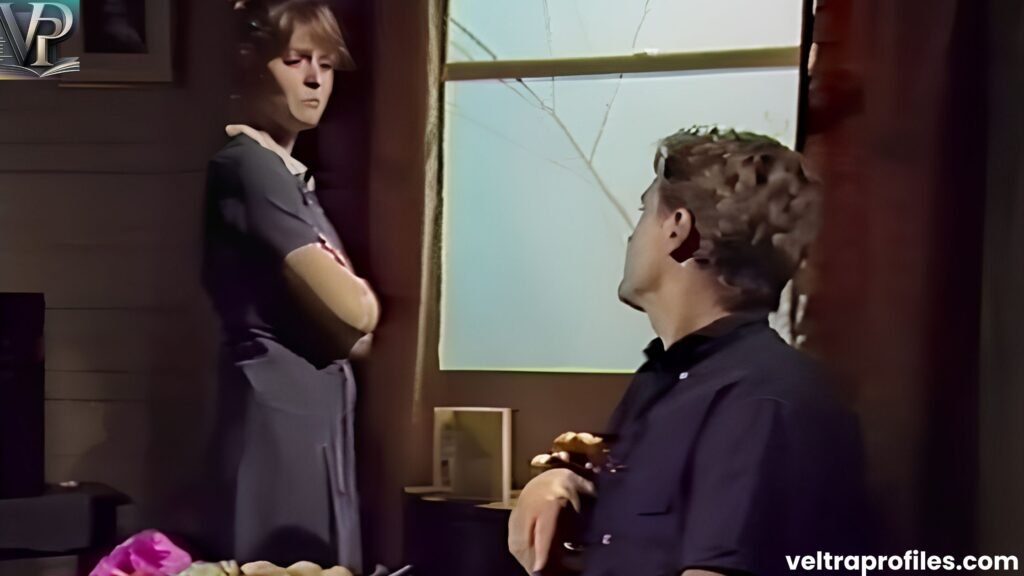
The University of British Columbia Players Club gave Ronald Wilson something that no formal directing curriculum of the era could have provided: complete, hands-on immersion in every aspect of theatrical production simultaneously. By directing, painting sets, and acting in leading roles all within the same organization across the same period of time, he developed an understanding of theater as a collaborative, multidisciplinary craft that few people acquire even through formal theatrical training programs. That understanding, that instinctive grasp of how every element of a production contributes to the final result, would later make him an unusually effective collaborator on complex BBC productions where multiple creative departments had to work in precise coordination to produce the quality of period drama that his literary adaptations required.
Ronald Wilson Moves to London — Actor on Stage Radio and Television
At the age of twenty-two Ronald Wilson made the decision that would define the rest of his life. He moved to London. The early 1950s were an extraordinary moment to arrive in the British capital as a young performer with theatrical training and genuine ambition. London’s postwar cultural revival was in full momentum and the BBC was rapidly expanding both the scale and the ambition of its television programming as the medium moved from novelty to mass cultural institution. An intelligent, well-trained young Canadian actor with a literary sensibility and a genuine understanding of theatrical craft arrived at exactly the right moment in exactly the right city.
His early London years were built across multiple performance media simultaneously. He worked in stage productions including The Man at Six, The Peaceful Inn, Jupiter Laughs, By Candlelight, The Ghost Train, The Seven Year Itch, and Fool’s Paradise, building a stage career that gave him direct experience of audience response and the specific discipline of sustaining performance across repeated live performances. His radio work at the BBC gave him an understanding of voice, pacing, and the specific intimacy of audio performance that would later inform his approach to character dialogue in his television directing. His television acting credits included BBC Sunday-Night Theatre, No Hiding Place, ITV Play of the Week, The Saint, and The Avengers, placing him within the most commercially and critically significant drama productions that British broadcasting was producing during the 1950s and early 1960s.
Ronald Wilson’s BBC Director Training and Early Television Career
The moment that formally launched Ronald Wilson’s directing career came in 1965 through an unlikely route. He appeared in a single episode of Coronation Street in June 1965 playing a Consul Official, a modest enough acting credit that would have been entirely forgettable except for what happened immediately afterward. He was accepted onto the BBC’s internal director training course, one of the most competitive and rigorously selective paths into professional television directing available in British broadcasting at the time. The BBC’s training course didn’t simply teach technical skills. It immersed participants in the complete intellectual and practical culture of one of the world’s great broadcasting organizations and it produced directors who understood the BBC’s specific standards of quality, ambition, and craft from the inside out.
His first directing credits came on The Newcomers and United!, both BBC soap operas that gave him the opportunity to develop his craft within the specific demands of serial narrative production while working within the BBC’s professional infrastructure. Soap opera directing requires a specific combination of speed, consistency, and the ability to sustain dramatic momentum across multiple storylines simultaneously under the time and budget constraints that serial production imposes. These were exactly the skills that subsequent complex literary adaptations would demand from him at a higher level of creative ambition and the Newcomers and United! years gave him a solid technical foundation before the more prestigious assignments began to arrive.
The BBC’s internal director training course of the mid-1960s was a genuinely distinctive institution within the landscape of British creative education. It combined technical instruction in the specific craft of television production with immersion in the BBC’s editorial culture, its standards of quality, its approach to adapting literary material, and its particular understanding of the relationship between television drama and the broader cultural life of the nation. For Ronald Wilson, who arrived with substantial acting experience across stage, radio, and television but no formal directing credentials, the course provided exactly the professional legitimization and technical grounding that his subsequent career required. The progression from his 1965 course acceptance through the early soap opera credits to the major literary adaptation work that followed within a decade reflects a systematic and intelligent approach to career building that produced exactly the results it was designed to produce.
Ronald Wilson Directs The Pallisers 1974 — Jeremy Irons’s Early Career
The Pallisers (1974) is one of the most ambitious and celebrated literary adaptations in the history of BBC drama. Based on the six Palliser novels of Anthony Trollope and adapted by Simon Raven, the twenty-six-episode series followed an aristocratic family through three generations of power, wealth, intrigue, and scandal in Victorian England. It starred Susan Hampshire as the witty and beautiful Lady Glencora and Philip Latham as her husband the rising politician Plantagenet Palliser and it assembled an extraordinary supporting cast that included Derek Jacobi, Anthony Andrews, and John Gielgud in what became one of the defining prestige drama events of British television in the decade. Time Magazine described it as being in the grand tradition of The Forsyte Saga and Upstairs, Downstairs while The New York Times praised Philip Latham as marvelous from beginning to end.
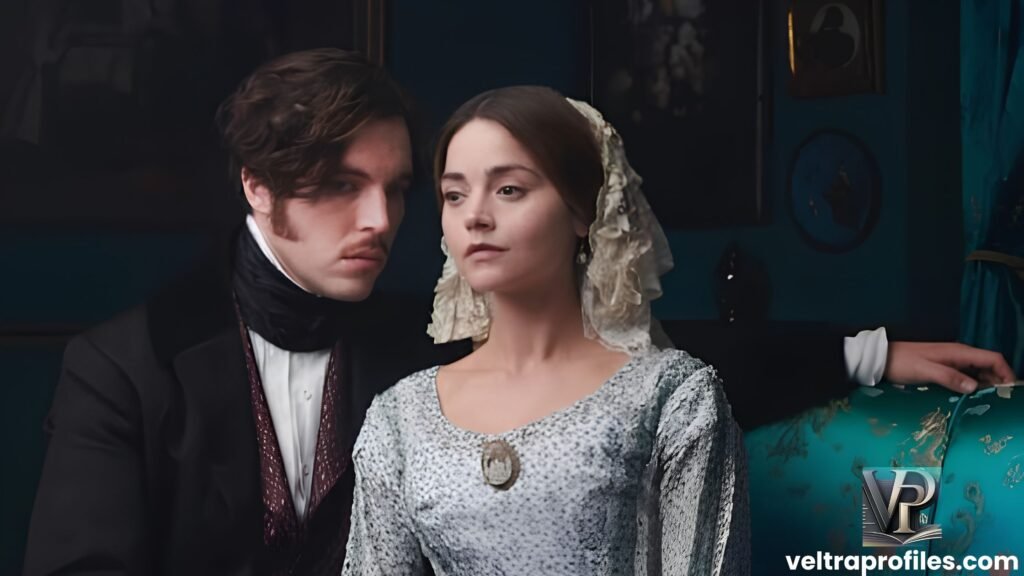
Ronald Wilson directed the final thirteen episodes of The Pallisers and it was within those final episodes that a young Jeremy Irons received one of his earliest significant television roles. Jeremy Irons was at the beginning of a career that would eventually produce an Academy Award, a Tony Award, an Emmy Award, and a BAFTA and make him one of the most celebrated and distinctive actors of his generation. In 1974 he was an unknown quantity and the opportunity that Ronald Wilson’s direction of those final Pallisers episodes provided him represented a genuinely formative professional experience within the most prestigious and carefully produced drama environment that British television was then offering. The Pallisers has since been released in a fortieth anniversary edition by Amazon and continues to find new audiences who discover the extraordinary quality of its ensemble and the specific intelligence of its literary adaptation.
| Detail | Information |
|---|---|
| Title | The Pallisers |
| Year | 1974 |
| Network | BBC |
| Episodes | 26 total — Ronald Wilson directed final 13 |
| Source | Anthony Trollope’s six Palliser novels |
| Adapter | Simon Raven |
| Lead Stars | Susan Hampshire, Philip Latham |
| Supporting Cast | Derek Jacobi, Anthony Andrews, John Gielgud, Jeremy Irons |
| US Broadcast | PBS |
| Legacy | Time Magazine cited in tradition of Forsyte Saga and Upstairs Downstairs |
| Jeremy Irons connection | Early major role under Ronald Wilson’s direction |
The significance of the Pallisers as the production that introduced Jeremy Irons to serious BBC drama audiences cannot be overstated. Irons had been struggling for recognition since his Bristol Old Vic Theatre School training and his early career was not yet showing the extraordinary potential that would later make him one of the most sought-after actors in Hollywood and British cinema. Ronald Wilson’s decision to cast him and his direction of his performance in those final thirteen episodes gave Irons an exposure and a vehicle that directly contributed to the trajectory that eventually led to The French Lieutenant’s Woman, Brideshead Revisited, Reversal of Fortune, and the Academy Award that confirmed his place among the greatest screen actors of his generation.
Ronald Wilson and To Serve Them All My Days — Broadcasting Press Award
To Serve Them All My Days (1980) represents one of the most complete professional achievements of Ronald Wilson’s directing career and the production that earned him his most significant competitive recognition. The thirteen-episode BBC miniseries was based on R.F. Delderfield’s beloved novel of the same name and followed a Welsh miner who becomes a teacher at a West Country public school in the years between the two World Wars. The story combined personal redemption, institutional tradition, romantic love, political awakening, and the specific emotional texture of interwar British life in ways that suited Ronald Wilson’s specific gifts as a director perfectly. His meticulous attention to period detail, his instinct for character-driven narrative pacing, and his ability to draw emotionally authentic performances from his cast produced a miniseries that British audiences responded to with genuine enthusiasm and that critics recognized as a genuinely distinguished piece of television drama.
The Broadcasting Press Award that Ronald Wilson received for To Serve Them All My Days represented formal recognition from the professional critical community that evaluates British broadcasting that the production met the highest standards of the form. The Broadcasting Press Guild awards, established in 1974, are among the most respected peer-group recognitions in British television precisely because they reflect the judgment of professional broadcasting critics who evaluate the full landscape of what British television produces across any given year. Winning that award for To Serve Them All My Days placed Ronald Wilson among the most distinguished directors working in British television drama at the beginning of the 1980s and it contributed directly to the prestigious assignments that followed throughout the decade.
| Detail | Information |
|---|---|
| Title | To Serve Them All My Days |
| Year | 1980 |
| Network | BBC |
| Episodes | 13 |
| Source | R.F. Delderfield novel |
| Genre | Period drama — interwar Britain |
| Award | Broadcasting Press Award won by Ronald Wilson |
| Legacy | One of BBC’s most beloved early 1980s dramas |
Ronald Wilson Directs Frost in May 1982 — Daniel Day-Lewis’s Early Role
Frost in May (1982) gave Ronald Wilson his most celebrated individual performance discovery and produced the production that earned him his BAFTA and Emmy finalist recognition. Based on Winifred Peck’s autobiographical 1933 novel about life in a strict Roman Catholic girls’ boarding school in the early twentieth century, the four-episode BBC production starred Janet Maw as the protagonist Fernanda Grey and assembled a cast that included a young Daniel Day-Lewis in an early BBC appearance that the Wikipedia biography of Day-Lewis specifically cites as part of his formative early television work.

Daniel Day-Lewis played what his own Wikipedia biography describes as an impotent man-child in Frost in May, a role that gave him space to demonstrate the specific kind of psychological complexity and physical vulnerability that would later become the hallmarks of his extraordinary career. Ronald Wilson’s direction of Day-Lewis in this early role reflects the same collaborative intelligence and supportive directorial presence that his actors consistently described across his career. He understood how to create the conditions within which a performer of Day-Lewis’s specific intensity could access the emotional truth of a character without the pressure of a director imposing an interpretive framework that didn’t suit the performer’s natural process. That specific directorial generosity, the ability to hold space for an actor’s creativity rather than constraining it within predetermined choices, is one of the rarest and most valuable qualities any television director can possess.
| Detail | Information |
|---|---|
| Title | Frost in May |
| Year | 1982 |
| Network | BBC |
| Episodes | 4 |
| Source | Winifred Peck novel — 1933 |
| Lead | Janet Maw as Fernanda Grey |
| Daniel Day-Lewis role | Early BBC appearance — impotent man-child character |
| Awards | BAFTA finalist, Emmy finalist for Ronald Wilson |
| Legacy | Cited in Daniel Day-Lewis Wikipedia biography as formative early TV work |
The BAFTA and Emmy finalist recognition that Ronald Wilson received for Frost in May placed him within the highest tier of recognized achievement in British and American television simultaneously. Being a BAFTA finalist means your peers within the British film and television industry have identified your work as among the most distinguished produced in any given award year. Being an Emmy finalist extends that recognition across the Atlantic to the American broadcasting community, confirming that the quality of his work transcended the specific national cultural context within which it was produced and met the standards of excellence recognized by the world’s most commercially powerful broadcasting industry.
Ronald Wilson and Campion 1989 — His Most Recognizable Work
Campion (1989-1990) is the production most commonly associated with Ronald Wilson’s name in current biographical searches and represents his most widely recognized directorial achievement among general audiences rather than specialist drama critics. The series starred Peter Davison as Albert Campion, the aristocratic amateur detective created by Golden Age mystery writer Margery Allingham, and adapted a series of her most celebrated cases for BBC One production. Campion combined the specific pleasures of the British mystery genre with the high production values of period drama, creating a series that appealed to a broad general audience while meeting the standards of quality that distinguished drama viewers expected from BBC production.

The series ran across two seasons of BBC production and has maintained a devoted following among classic British mystery drama enthusiasts in the decades since its original broadcast. Peter Davison, already beloved by Doctor Who audiences from his tenure as the Fifth Doctor from 1981 to 1984, brought immediate audience recognition and genuine acting quality to the title role and the combination of his charismatic performance and Ronald Wilson’s meticulous period direction produced a series that remains highly regarded within the specific genre community that champions classic British mystery television. The Campion credit sits at the top of Ronald Wilson’s IMDb profile as his primary known-for production and it represents the most likely entry point through which contemporary researchers and classic television enthusiasts first encounter his work.
| Detail | Information |
|---|---|
| Title | Campion |
| Years | 1989 — 1990 |
| Network | BBC One |
| Stars | Peter Davison as Albert Campion |
| Source | Margery Allingham mystery novels |
| Genre | Period mystery drama |
| Legacy | Most widely recognized Ronald Wilson directing credit |
| Current availability | Available through classic British TV platforms |
Ronald Wilson and The Black Tower and The Devil’s Crown — BBC Drama Mastery
The Black Tower (1985) and The Devil’s Crown (1978) represent two of the most significant productions in Ronald Wilson’s directing career beyond the landmark credits that tend to dominate biographical coverage. The Black Tower was based on P.D. James’s acclaimed mystery novel and featured the detective Adam Dalgliesh in a case involving the mysterious deaths of disabled residents at a private care home. P.D. James was at the height of her critical reputation in the mid-1980s and her Dalgliesh adaptations for BBC represented some of the most prestigious literary mystery television the network was producing during that decade. Ronald Wilson’s direction of The Black Tower demonstrated his ability to handle the specific tone of James’s work, its combination of procedural rigidity, psychological depth, and literary elegance, with the same sensitivity to source material that characterized all of his best adaptation work.
The Devil’s Crown (1978) tackled an even more ambitious subject, the story of the Angevin kings of England from Henry II through to King John, covering one of the most dramatically rich and historically significant periods in English history. Producing a miniseries about Henry II, Richard I, and King John required meticulous historical research, confident handling of complex political and dynastic narrative, and the ability to make medieval English court life feel genuinely inhabited rather than merely costumed. Ronald Wilson brought all of these qualities to the production and the result was a miniseries that demonstrated his range across different historical periods and different genres of literary and historical adaptation simultaneously.
| Year | Production | Source | Significance |
|---|---|---|---|
| 1978 | The Devil’s Crown | Original BBC drama | Angevin kings of England |
| 1980 | To Serve Them All My Days | R.F. Delderfield novel | Broadcasting Press Award winner |
| 1982 | Frost in May | Winifred Peck novel | BAFTA and Emmy finalist — Daniel Day-Lewis |
| 1985 | The Black Tower | P.D. James novel | Adam Dalgliesh mystery |
| 1989-1990 | Campion | Margery Allingham novels | Primary known-for credit |
Ronald Wilson Adapts Alice Munro — Lives of Girls and Women 1994
The final major directorial achievement of Ronald Wilson’s career also stands as perhaps his most personally significant. His adaptation of Alice Munro’s material for Lives of Girls and Women (1994), a BBC production based on the celebrated Canadian short story writer’s interconnected narrative collection, brought together his dual identities as a Canadian creative professional and a BBC drama director in a single project that honored both simultaneously. Alice Munro was already recognized as one of the greatest short story writers in the English language when the adaptation was produced and would go on to receive the Nobel Prize for Literature in 2013, making the connection between her work and Ronald Wilson’s adaptation one of the most prestigious literary associations in his career.
What makes the Lives of Girls and Women connection particularly remarkable is the specific response it drew from Munro herself. She praised the adaptation as Ronald Wilson’s finest work, an assessment from the source material’s author that represents the highest possible form of creative validation a literary adaptation can receive. When the person whose imagination created the original work tells you that your translation of it into another medium is the best thing you have ever done professionally, you have achieved something that goes well beyond technical accomplishment into the territory of genuine creative communion between two artistic minds. Ronald Wilson’s ability to understand Munro’s specific fictional sensibility, her interest in female interiority, her precise observation of small-town Canadian life, and her formal sophistication, well enough to produce an adaptation that she herself considered his finest work reflects a depth of literary understanding and directorial sensitivity that very few television directors of any era have matched.
| Detail | Information |
|---|---|
| Production | Lives of Girls and Women |
| Year | 1994 |
| Source | Alice Munro — Canadian short fiction |
| Alice Munro Nobel Prize | 2013 — Nobel Prize for Literature |
| Munro’s assessment | Praised as Ronald Wilson’s finest work |
| Significance | Nobel Prize winning author validating the adaptation |
| Ronald Wilson connection | Canadian director adapting Canadian author |
Ronald Wilson’s Complete BBC Filmography
The complete filmography of Ronald Wilson across both his acting and directing careers represents a genuinely remarkable accumulation of creative contribution to the landscape of British television drama across five decades of professional engagement with the medium. His directing credits alone encompass some of the most celebrated and enduringly significant productions in the history of BBC drama, while his acting credits place him within the most commercially successful and culturally significant productions that British television produced during the 1950s and 1960s.
Looking at the full credit list together reveals a professional career of extraordinary consistency and quality. He never produced anything cynical, derivative, or merely commercial. Every production he directed was rooted in serious literary material, approached with genuine respect for its source, and executed with the specific collaborative intelligence and meticulous attention to period authenticity that made BBC drama of his era the envy of the world.
| Year | Production | Role | Format |
|---|---|---|---|
| 1950s-60s | BBC Sunday-Night Theatre | Actor | Television |
| 1950s-60s | No Hiding Place | Actor | Television |
| 1950s-60s | ITV Play of the Week | Actor | Television |
| 1950s-60s | The Saint | Actor | Television |
| 1950s-60s | The Avengers | Actor | Television |
| 1950s-60s | The Dam Busters | Actor | Film |
| 1950s-60s | Enemy from Space | Actor | Film |
| 1965 | Coronation Street | Consul Official — actor | Television |
| 1965-67 | The Newcomers | Director | Television soap |
| 1965-67 | United! | Director | Television soap |
| 1974 | The Pallisers | Director — final 13 episodes | BBC serial |
| 1974 | BBC Play of the Month | Director | Anthology |
| 1978 | The Devil’s Crown | Director | BBC miniseries |
| 1980 | To Serve Them All My Days | Director | BBC miniseries |
| 1980s | Strangers and Brothers | Director | BBC serial |
| 1980s | How Green Was My Valley | Director | BBC production |
| 1982 | Frost in May | Director | BBC miniseries |
| 1985 | The Black Tower | Director | BBC drama |
| 1989-1990 | Campion | Director | BBC One series |
| 1994 | Lives of Girls and Women | Director | BBC production |
Ronald Wilson as Teacher at RADA — Twenty Years of Influence
The teaching career that Ronald Wilson built at the Royal Academy of Dramatic Art following his retirement from professional directing represents a form of legacy that extends far beyond anything visible in a filmography. RADA is the most prestigious drama school in the English-speaking world, its alumni including Peter O’Toole, Anthony Hopkins, Glenda Jackson, Ralph Fiennes, Alan Rickman, and hundreds of other performers who have shaped the landscape of British and international theater, film, and television across generations. Teaching at RADA for twenty years placed Ronald Wilson in direct formative relationship with the next generation of British performing talent during the most impressionable and receptive period of their professional development.
His reputation among RADA students during his two decades of teaching there was one of deep admiration and genuine affection. The same qualities that his professional actors had valued throughout his directing career, careful listening, collaborative generosity, absolute support for the performer’s own creative process, translated with complete naturalness into the pedagogical relationship between a teacher and developing students. BAFTA’s tribute page for Ronald Wilson notes that after retiring from directing he became a teacher at RADA where he was deeply admired by students, a brief acknowledgment that nonetheless speaks volumes about the quality and consistency of his educational contribution across what amounted to an entire second career as an influence on British theatrical talent.
The specific contribution that Ronald Wilson made through his RADA teaching is impossible to quantify precisely but genuinely significant in its scope. Over twenty years of teaching at the world’s most prestigious drama school, he would have worked with hundreds of developing performers during the period when professional attitudes, working methods, and the specific understanding of what it means to collaborate honestly and generously on a creative production are first being formed. The values he brought to that teaching, the same values that gave Jeremy Irons and Daniel Day-Lewis the space to develop their earliest significant performances, the same values that earned Alice Munro’s praise for his adaptation of her work, were precisely the values that RADA students in that period most needed to encounter from a working professional whose career demonstrated that those values produced genuinely distinguished work across five decades of professional practice.
Ronald Wilson Personal Life — Gay Cameron, Family, and Final Years
The personal life of Ronald Wilson is characterized by the same quiet quality and genuine human warmth that defined his professional relationships throughout his career. He met actress Gay Cameron during a 1959 audition, a meeting that combined his professional and personal worlds in the most organic possible way and that produced one of the more enduring creative partnerships in the specific community of British theatrical and television professionals. They married in 1964 and remained together for the rest of his life, celebrating their golden wedding anniversary in the period shortly before his death in 2014, fifty years of marriage that began in an audition room and extended across the complete arc of one of the most distinguished directing careers in BBC history.
Together Ronald Wilson and Gay Cameron had two children, a son named Charlie and a daughter named Fanny, and two grandsons who represent the continuation of a family story rooted in the same creative and theatrical world that had brought their grandparents together in that 1959 audition. His final years were divided between his appreciation for the coastal environment of southern England and his ongoing commitment to the RADA teaching that had become his second professional identity after his directing career concluded. He died on July 17, 2014 as he apparently loved to live, in physical engagement with the natural world, suffering a heart attack while swimming in the sea off Milford on Sea in Hampshire, England. He was eighty-four years old and had lived a life of extraordinary creative achievement and genuine human grace in equal measure.
| Field | Detail |
|---|---|
| Wife | Gay Cameron — actress |
| How they met | 1959 audition |
| Wedding year | 1964 |
| Marriage duration | 50 years — golden anniversary before death |
| Son | Charlie Wilson |
| Daughter | Fanny Wilson |
| Grandchildren | Two grandsons |
| Death date | July 17, 2014 |
| Death location | Sea off Milford on Sea, Hampshire, England |
| Cause of death | Heart attack while swimming |
| Age at death | 84 years old |
| Final years | Divided between Hampshire coast and RADA teaching |
FAQs About Ronald Wilson
Who was Ronald Wilson the BBC director?
Ronald Wilson, also known as Ronnie Wilson, was a Canadian television director and occasional actor born on April 2, 1930 in Victoria, British Columbia. He moved to London at age twenty-two, joined the BBC’s director training course in 1965, and spent the following decades directing some of the most celebrated literary adaptations in British television history including The Pallisers, To Serve Them All My Days, Frost in May, The Black Tower, and Campion. He died on July 17, 2014 in Milford on Sea, Hampshire at the age of eighty-four.
What was Ronald Wilson’s connection to Jeremy Irons?
Ronald Wilson directed the final thirteen episodes of The Pallisers (1974), the BBC’s acclaimed adaptation of Anthony Trollope’s political novels, in which a young Jeremy Irons received one of his earliest significant television roles. The production is widely credited as an important early career opportunity for Irons before his subsequent rise to international stardom.
What was Ronald Wilson’s connection to Daniel Day-Lewis?
Ronald Wilson directed Frost in May (1982) for the BBC, a four-episode adaptation of Winifred Peck’s novel in which a young Daniel Day-Lewis appeared in an early BBC role. Day-Lewis’s own Wikipedia biography specifically cites Frost in May as part of his early television work. The production earned Ronald Wilson both BAFTA and Emmy finalist recognition.
What awards did Ronald Wilson receive?
He won the Broadcasting Press Award for To Serve Them All My Days (1980) and received both BAFTA and Emmy finalist recognition for Frost in May (1982), representing formal recognition of his work from the most prestigious professional bodies in British and American broadcasting.
What was Ronald Wilson’s connection to Alice Munro?
He directed the BBC adaptation of Alice Munro’s material for Lives of Girls and Women (1994). Munro, who received the Nobel Prize for Literature in 2013, praised this adaptation as Ronald Wilson’s finest professional work, representing the highest possible validation from the author whose imagination created the source material.
How long did Ronald Wilson teach at RADA?
Ronald Wilson taught at the Royal Academy of Dramatic Art for twenty years following his retirement from professional directing, where he was described by BAFTA’s tribute as being deeply admired by students for the same collaborative, supportive qualities that had made him so effective as a director throughout his professional career.
Conclusion
The complete story of Ronald Wilson is one of the most quietly extraordinary in the history of British broadcasting. He came from Victoria, British Columbia, fell in love with cinema as a child, studied English at the University of British Columbia while spending most of his time directing in the Players Club, moved to London at twenty-two with theatrical ambition and professional training, built an acting career across stage, radio, and television, joined the BBC’s director training course in 1965, and spent the following three decades producing some of the most enduringly significant literary adaptation drama in the history of British television.
He gave Jeremy Irons an early major role in The Pallisers. He gave Daniel Day-Lewis a formative early BBC appearance in Frost in May. He won the Broadcasting Press Award for To Serve Them All My Days. He earned BAFTA and Emmy finalist recognition. He received the highest possible creative validation from Nobel Prize winning author Alice Munro who called his adaptation of her work his finest achievement. He taught at RADA for twenty years and shaped hundreds of developing performers with the same collaborative generosity and careful listening that had made him so valued by the professional actors who worked with him throughout his career. He married Gay Cameron in 1964 and loved her for fifty years. And he died on a summer day in 2014 doing what he apparently always loved, swimming in the sea, leaving behind a career of genuine distinction and a human legacy of extraordinary warmth and professional generosity that the industry he served was fortunate to have had for as long as it did.