
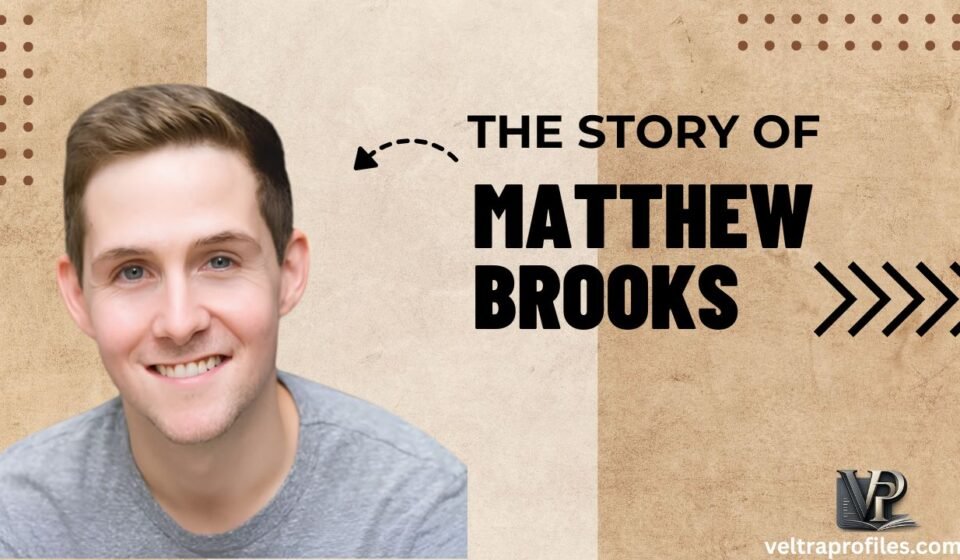

Some careers leave a permanent mark even when they’re brief. Matthew Brooks appeared on American screens during one of the most creatively energetic periods in family entertainment history and contributed to a film that millions of households still watch and love more than three decades later. Born in Roseburg, Oregon in 1975, he worked as a child actor across film and television in the late 1980s and early 1990s, building a resume that included Night Court on NBC, The Family Man, Doogie Howser MD, and most memorably a role in Beethoven (1992), the beloved Universal Pictures family comedy that became one of the defining films of its era.
Don’t let the brevity of his career fool you. Appearing in a John Hughes produced film that grossed $147 million worldwide on an $18 million budget and went on to spawn seven sequels places Matthew Brooks permanently within a genuine piece of American cinema history. His name connects to co-stars including Charles Grodin, Bonnie Hunt, Nicholle Tom, and Dean Jones and to a production team headed by legendary producer Ivan Reitman and director Brian Levant. That’s an extraordinary professional context for any actor at any age and it makes the full story of matthew brooks genuinely worth exploring in careful detail.
Who Is Matthew Brooks?
Matthew Brooks is an American former child actor born on August 1, 1975 in Roseburg, Oregon, USA. He built his acting career during the late 1980s and early 1990s appearing in a combination of network television productions and feature films that gave him genuine professional exposure alongside some of the most recognizable names in American entertainment during that specific period. His most widely recognized credit is his role in Beethoven (1992) the Universal Pictures family comedy that became one of the most beloved and commercially successful family films of the decade. He also appeared in Night Court on NBC, The Family Man (1990), Shaky Ground (1992), and Doogie Howser MD on ABC, building a varied television and film resume across a relatively short but genuinely productive professional career.
Read more: /sharon-munro-biography/
What makes matthew brooks interesting as a biographical subject isn’t just the roles he played but the specific cultural context those roles occupy. The early 1990s family film landscape was dominated by productions that combined broad humor with genuine warmth and Beethoven sits near the top of that specific category. Being part of a production that generated $147 million at the global box office and launched a franchise spanning seven sequels and multiple television adaptations connects even a supporting child actor to a cultural phenomenon that has touched multiple generations of American family audiences. His television work across Night Court, Doogie Howser MD, and The Family Man further demonstrates a professional range that went beyond any single memorable film credit.

Quick Bio info
| Field | Detail |
|---|---|
| Full Name | Matthew Brooks |
| Nickname | Not publicly documented |
| Gender | Male |
| Date of Birth | August 1, 1975 |
| Age | 51 years old (as of 2026) |
| Birthplace | Roseburg, Oregon, USA |
| Hometown | Roseburg, Oregon, USA |
| Current Residence | USA |
| Nationality | American |
| Ethnicity | White |
| Religion | Not publicly documented |
| Education / Qualification | Not publicly documented |
| Profession | Actor — former child actor |
| Languages Spoken | English (confirmed) — others not publicly documented |
| Hobbies & Interests | Acting |
| Marital Status | Not publicly documented |
Personal information
Full Name
Matthew Brooks is his full name.
Nickname
No public nickname has been documented for him.
Gender
He is male.
Date of Birth
He was born on August 1, 1975.
Age
He is 51 years old, as of 2026.
Birthplace
He was born in Roseburg, Oregon, USA.
Hometown
His hometown is Roseburg, Oregon, USA.
Current Residence
He currently resides in the USA.
Nationality
He holds American nationality.
Ethnicity
He is White.
Religion
His religion has not been publicly documented.
Education / Qualification
His education details have not been publicly documented.
Profession
He works as an actor, having started as a former child actor.
Languages Spoken
He is confirmed to speak English; other languages are not publicly documented.
Hobbies & Interests
His main interest is acting.
Marital Status
His marital status has not been publicly documented.
Physical apperance
Height (Feet/Inches)
He stands 5 feet 6 inches tall.
Height (cm)
His height is 167 cm.
Weight (kg)
He weighs 80 kg.
Weight (lbs)
His weight is 176 lbs.
Eye Color
His eyes are black.
Hair Color
His hair color is black.
Body Type
He has a fit body type.
Skin Tone
His skin tone is fair.
Early Life and Childhood in Roseburg Oregon
Roseburg, Oregon sits in the Umpqua Valley of southwestern Oregon, a mid-sized city surrounded by forests, rivers, and the specific kind of quiet Pacific Northwest landscape that shapes people in fundamentally different ways from coastal or urban environments. Growing up there in the late 1970s and early 1980s meant a childhood defined by outdoor space, close community, and a pace of life far removed from the Hollywood industry that Matthew Brooks would eventually enter as a working child actor. The specific details of his family background, parents, and early childhood remain private and undocumented in public records, which is typical for child actors of his era who worked in supporting roles rather than as headline performers with full studio publicity apparatus behind them.
What we can say with certainty is that something in his early environment in Roseburg sparked both the interest in performance and the professional opportunity to pursue it that placed him on television sets and film locations by the time he was in his early teens. Families who supported child acting careers in the late 1980s typically invested significant time and resources in travel, auditions, and the specific logistical demands of working in an industry centered primarily in Los Angeles rather than in Oregon. The fact that matthew brooks accumulated multiple professional credits across both film and television during this period reflects a sustained commitment from his family to supporting a career that required genuine sacrifice and dedication well beyond simply recognizing that their child was talented.
The distance between Roseburg, Oregon and Hollywood, California is more than geographical. It represents two completely different cultural worlds and navigating the transition between them as a young performer requires a specific kind of adaptability that not every talented child actor possesses. Matthew Brooks clearly had that adaptability. His credits span different production companies, different networks, and different genres suggesting a professional who could walk into varied creative environments and deliver what each one required without the extended adjustment period that less experienced performers often need. The Pacific Northwest background that gave him a grounded, unpretentious quality likely contributed directly to the naturalistic performance style that made him employable across the specific range of productions his career ultimately encompassed.
Matthew Brooks as a Child Actor — How It All Began
The professional acting career of matthew brooks took shape during one of the most interesting periods in the history of American child performance. The late 1980s saw an explosion of family-oriented television and film production driven partly by the success of shows like The Cosby Show and films produced under the John Hughes banner that demonstrated the enormous commercial appetite for quality family entertainment built around genuinely engaging child characters. Young actors who could deliver naturalistic, warm performances without the stagey quality that sometimes characterizes less experienced child performers were in genuine demand across Hollywood and Matthew Brooks clearly possessed exactly the qualities that casting directors were actively seeking during this specific moment in the industry.
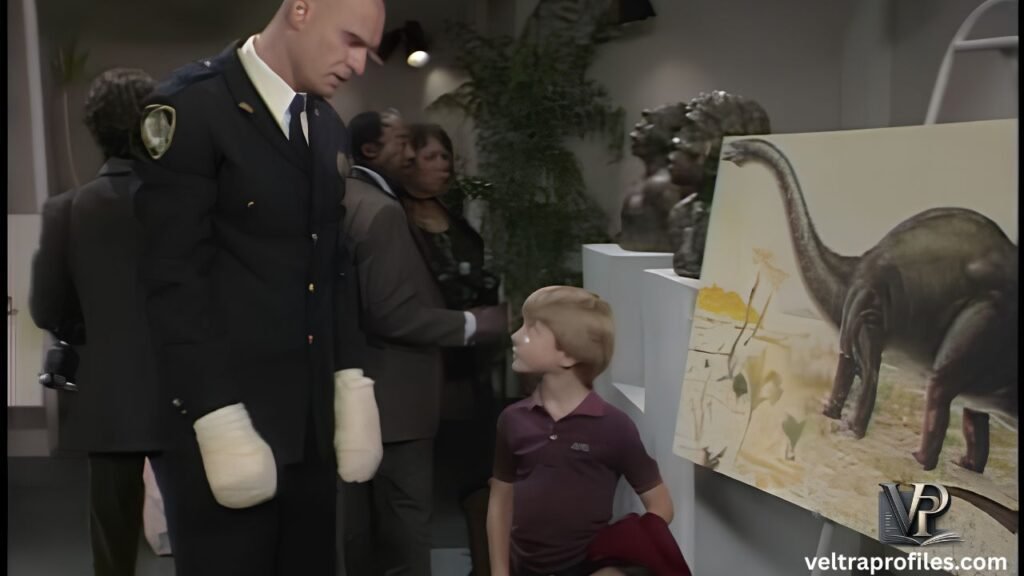
His earliest confirmed credits place his professional career beginning around 1984 with his appearance in Night Court, which suggests he was entering the professional acting world at approximately nine years old. Working as a child actor at that age in a successful NBC sitcom environment required parental support, professional representation, and the specific social maturity to function effectively on professional sets alongside adult performers and production crews. The Hollywood of the late 1980s offered genuinely exciting opportunities for talented child actors who could handle the specific demands of both film and television work simultaneously. Matthew Brooks demonstrated the ability to move between these two formats throughout his career, His trajectory from Night Court through The Family Man to Beethoven represents a steady, upward career arc that any child actor of his era would have been proud to claim.
Matthew Brooks in Night Court — His First Major TV Credit
Night Court was one of NBC’s most beloved and consistently funny sitcoms of the 1980s running from 1984 to 1992 and starring Harry Anderson as the eccentric Judge Harold Stone alongside a memorable ensemble cast including John Larroquette, Markie Post, Richard Moll, and Charlie Robinson. The show occupied a very specific tonal space in the NBC primetime lineup combining absurdist humor, genuine heart, and a consistent willingness to engage with social issues in ways that its comedy format made surprisingly palatable to broad audiences. For a young child actor from Roseburg, Oregon, landing even a guest or supporting role in this production represented a significant professional achievement and an immediate introduction to the specific demands of working within a well-established network sitcom environment.
Matthew Brooks appeared in Night Court during the show’s run, with his credit marking one of his earliest confirmed professional appearances. The NBC sitcom environment of the mid-1980s was extraordinarily competitive and well-resourced, operating at a level of production quality and professional expectation that gave young performers appearing in it immediate credibility within the industry. Night Court regularly attracted high-profile guest performers and maintained a production culture of genuine professionalism that young Matthew Brooks would have absorbed and learned from during his time on set.
Night Court 1984 — Production and Cultural Context
| Detail | Information |
|---|---|
| Show Title | Night Court |
| Network | NBC |
| Run | 1984 — 1992 |
| Lead Star | Harry Anderson as Judge Harold Stone |
| Co-stars | John Larroquette, Markie Post, Richard Moll, Charlie Robinson |
| Genre | Sitcom — legal comedy |
| Matthew Brooks credit | Supporting / guest appearance |
| Cultural significance | One of NBC’s most beloved 1980s sitcoms — 9-season run |
The specific value of a Night Court credit for a young child actor in the mid-1980s can’t be overstated. NBC’s primetime lineup during this period represented the gold standard of American network television production and appearing in any capacity within it immediately signaled to the broader industry that you had met a genuine professional standard. Harry Anderson and the regular ensemble cast of Night Court were known for their warmth toward guest performers and their commitment to making every scene work regardless of how small any individual contributor’s role might be. That kind of professional environment was enormously valuable for a developing young performer still building the experience base and confidence that sustained professional work requires.
Matthew Brooks in The Family Man 1990
The Family Man (1990) added a film credit to Matthew Brooks’s growing resume and placed him within a production that reflected the specific kind of family-oriented storytelling that defined the most commercially successful American entertainment of that era. The film aired as a television movie and starred David Duchovny before his X-Files breakthrough, giving Matthew Brooks early exposure to working alongside a performer who would become one of the defining television stars of the following decade. Television movies of this period occupied an important middle ground between theatrical feature films and episodic television, offering production values and creative ambitions that often exceeded what weekly series budgets could support while reaching the same massive audiences that network broadcast provided.
Working on The Family Man gave Matthew Brooks his first confirmed film-format experience ahead of the theatrical film work that would follow in Beethoven two years later. The specific professional skills required for television movie production, sustaining character consistency across longer shooting schedules, adapting to different directorial approaches, and delivering emotionally convincing performances within the specific emotional register of family drama, were exactly the skills that his subsequent Beethoven role would demand at a higher production level and in front of a much larger theatrical audience. His Family Man credit therefore represents not just a standalone professional achievement but a genuinely important developmental step in the career trajectory that led directly to his most celebrated and widely remembered professional appearance.
The Family Man 1990 — Production Details
| Detail | Information |
|---|---|
| Title | The Family Man |
| Year | 1990 |
| Format | Television movie |
| Notable Co-star | David Duchovny — pre X-Files |
| Genre | Family drama |
| Matthew Brooks role | Supporting cast member |
| Significance | Film format experience before Beethoven theatrical release |
| Network | Network television broadcast |
The connection between Matthew Brooks’s television movie work and his subsequent theatrical film career reflects a specific pattern common among successful child actors of his generation. Television movies provided a relatively lower-pressure environment for developing the extended narrative performance skills that theatrical film requires while maintaining the production quality and professional expectations of major network television. David Duchovny’s presence in the same production gives The Family Man an interesting retrospective significance since his subsequent emergence as Fox Mulder in The X-Files made him one of the most recognizable faces on American television throughout the 1990s. Matthew Brooks shared professional space with him during the moment just before that transformation and that connection adds an interesting dimension to this particular credit in his filmography.
Matthew Brooks in Beethoven 1992 — His Most Famous Role
Beethoven (1992) is the production that most firmly connects matthew brooks to the cultural memory of a generation of American family film audiences. Released by Universal Pictures in April 1992 the film told the story of the Newton family and their adopted St Bernard dog named Beethoven whose enormous size, chaotic energy, and genuine warmth disrupted and ultimately transformed the household that reluctantly took him in. The film was written by John Hughes writing under his pseudonym Edmond Dantes, produced by the legendary Ivan Reitman, and directed by Brian Levant. It starred Charles Grodin as uptight family patriarch George Newton and Bonnie Hunt as his warmer and more dog-friendly wife Alice Newton alongside child actors including Nicholle Tom as oldest daughter Ryce Newton and Dean Jones in a supporting capacity.
Matthew Brooks appeared in the film as part of the supporting cast surrounding the Newton family’s story in a production that clearly aimed for and achieved a very specific emotional register: warm, funny, occasionally slapstick but always grounded in genuine family feeling rather than pure comedy spectacle. Beethoven grossed $147 million worldwide against an $18 million production budget, a return on investment that immediately confirmed its status as a major commercial success and guaranteed the franchise expansion that followed. The film spawned seven sequels beginning with Beethoven’s 2nd in 1993 and has maintained a devoted following across multiple generations of family film audiences who discovered it during childhood and continue to revisit it with their own children. Being part of the original production places Matthew Brooks within a genuinely beloved piece of American cinema history regardless of the specific size of his individual role within the ensemble.
Beethoven 1992 — Complete Production Details
| Detail | Information |
|---|---|
| Film Title | Beethoven |
| Release Year | 1992 |
| Studio | Universal Pictures |
| Director | Brian Levant |
| Producer | Ivan Reitman |
| Writer | John Hughes (as Edmond Dantes) |
| Lead Stars | Charles Grodin, Bonnie Hunt |
| Child Cast | Nicholle Tom, additional child actors |
| Supporting Cast | Dean Jones, Oliver Platt |
| Matthew Brooks role | Supporting child cast member |
| Box Office | $147 million worldwide |
| Budget | $18 million |
| Sequels spawned | Seven sequels beginning with Beethoven’s 2nd (1993) |
| Subject | St Bernard dog — Newton family adoption story |
The specific achievement that Beethoven represents in commercial terms deserves careful attention because it provides essential context for understanding why matthew brooks’s participation in it carries genuine biographical significance. A return of $147 million on an $18 million budget places Beethoven firmly among the most financially successful family films of 1992 and its franchise expansion into seven sequels confirms that its initial success reflected genuine audience connection rather than a single lucky box office weekend. John Hughes’s involvement as writer, even under a pseudonym, brought to the project the specific understanding of family dynamics and child-centered storytelling that had made Home Alone, Ferris Bueller’s Day Off, and The Breakfast Club defining works of their respective audiences’ childhoods. Ivan Reitman’s production experience across major commercial films including Ghostbusters and Twins ensured that the production infrastructure matched the creative ambition. The result was a film that has genuinely earned its place in the family film canon.
Behind the Scenes of Beethoven — The Making of a Classic
Understanding what made Beethoven work as a film requires understanding the specific creative decisions that Brian Levant and his team made in translating John Hughes’s screenplay into a production that could appeal simultaneously to young children, older children, and adults without condescending to any of them. The choice to center the film’s emotional arc on Charles Grodin’s reluctant patriarch rather than on the children or the dog was a genuine creative risk that paid off enormously. Grodin’s specific comic gift for dry, barely-suppressed exasperation made his character’s transformation from dog-hater to devoted Beethoven defender feel genuinely earned rather than sentimentally forced.
Working with a large dog as a central performer presents specific production challenges that most audiences never consider when watching the finished film. Beethoven required extensive animal training, careful coordination between the animal performers and the human cast, and patient directorial management of scenes that could never be fully controlled in the way that scenes with human actors alone can be managed. Brian Levant navigated these challenges with a fluency that resulted in a finished film where the dog’s performances feel genuinely spontaneous and emotionally expressive rather than mechanically trained. For Matthew Brooks and the other young actors in the supporting cast working on a set organized around these specific animal performance demands provided an unusual professional education in the specific patience and adaptability that location shooting with unpredictable elements always requires.
Physical Appearance
| Field | Detail |
|---|---|
| Height (Feet/Inches) | 5 feet 6 inches |
| Height (cm) | 167cm |
| Weight (kg) | 80kg |
| Weight (lbs) | 176lbs |
| Eye Color | Black |
| Hair Color | Black |
| Body Type | Fit |
| Skin Tone | Fair |
John Hughes, Ivan Reitman, and the Creative Team Behind Beethoven
The creative lineage behind Beethoven connects the film to some of the most successful family entertainment productions in American cinema history. John Hughes was at the height of his commercial influence in 1992 having spent the preceding decade creating an extraordinary string of financially successful and culturally enduring films for young audiences. His decision to write Beethoven under the pseudonym Edmond Dantes, a reference to the protagonist of Alexandre Dumas’s The Count of Monte Cristo, reflects the specific playful literary sensibility that runs through much of his work.
Ivan Reitman brought commercial instincts and production management skills developed across major studio productions to a project that required both the creative freedom to be genuinely funny and the disciplined execution to deliver on a specific audience promise within a specific budget framework. The combination of their complementary strengths created exactly the right conditions for the specific kind of broadly appealing family comedy that Beethoven ultimately became.
Matthew Brooks in Doogie Howser MD
Doogie Howser MD ran on ABC from September 19, 1989 to March 24, 1993 and represented one of the most genuinely innovative and commercially successful family-oriented dramas of its specific era. Created by Steven Bochco and David E. Kelley, the show starred a young Neil Patrick Harris as Dr. Douglas Howser, a teenage genius who had completed medical school at an extraordinarily young age and was navigating the simultaneous challenges of a medical residency and ordinary teenage social life. The show earned significant critical attention for its willingness to address genuinely serious subjects including AIDS, death, and racism within a format that maintained consistent warmth and accessibility for broad family audiences.

Matthew Brooks appeared in Doogie Howser MD during the show’s run in a guest or supporting capacity adding an important ABC primetime credit to a television resume that already included NBC’s Night Court. Working within the specific production culture of a Steven Bochco show was a genuinely distinctive professional experience. Bochco was known throughout the industry for creating television productions that operated at a higher level of dramatic ambition and production quality than most network programming and for building ensemble environments that demanded genuine performance commitment from everyone involved regardless of how significant their individual role within the overall production might be. Neil Patrick Harris’s lead performance in the show was already recognized within the industry as exceptional for a young performer and the overall production standard that surrounded him created a professional environment of unusually high quality for any guest or supporting performer fortunate enough to work within it.
Doogie Howser MD — Production Context
| Detail | Information |
|---|---|
| Show Title | Doogie Howser MD |
| Network | ABC |
| Run | September 19 1989 — March 24 1993 |
| Total Episodes | 97 episodes across 4 seasons |
| Created By | Steven Bochco and David E. Kelley |
| Lead Star | Neil Patrick Harris as Dr. Douglas Howser |
| Supporting Cast | Max Casella, Belinda Montgomery, Lawrence Pressman |
| Matthew Brooks role | Guest or supporting appearance |
| Themes | Medical drama, teenage life, AIDS, racism, death |
| Significance | Launched Neil Patrick Harris to national prominence |
The cultural significance of Doogie Howser MD within the specific landscape of early 1990s American television adds genuine weight to Matthew Brooks’s credit within the production. The show is remembered not just as a successful network drama but as the launch platform for one of the most remarkable career trajectories in modern American entertainment. Neil Patrick Harris went from teenage television star to legitimate Broadway performer to CBS sitcom lead in How I Met Your Mother to Emmy Award winning variety host across a career that has consistently defied the limitations that typically constrain former child actors. Being part of the production environment that first brought him to national prominence gives Matthew Brooks’s Doogie Howser credit a specific retrospective significance that goes beyond the standard value of an ABC primetime guest appearance.
Matthew Brooks in Shaky Ground 1992
Shaky Ground (1992) represents the final confirmed credit in Matthew Brooks’s documented professional career and adds a third production alongside Beethoven to what turned out to be his most productive professional year. The convergence of multiple credits in a single calendar year reflects a pattern common among working child actors who reach a specific professional momentum where their established track record and industry visibility generates multiple simultaneous opportunities. For matthew brooks the year 1992 represented the peak of his professional visibility with both Beethoven as his theatrical film credit and Shaky Ground as his television credit appearing in the same twelve-month window.
Shaky Ground was a television production that gave Matthew Brooks continued exposure within the specific television format where much of his earlier career had been built across Night Court and Doogie Howser MD. The specific details of his role within Shaky Ground are limited in publicly available sources which is common for supporting child performers in television productions of this period that didn’t receive the same level of archival documentation that major theatrical releases generated. What the credit confirms is that as late as 1992 Matthew Brooks remained an active professional within the Hollywood child actor community and that his career was still generating productive work opportunities even as he was approaching the late teenage years that typically mark the most challenging transition period for child performers navigating the shift toward adult professional identities.
Shaky Ground 1992 — What We Know
| Detail | Information |
|---|---|
| Production Title | Shaky Ground |
| Year | 1992 |
| Format | Television production |
| Matthew Brooks role | Supporting cast member |
| Career significance | Final confirmed professional credit |
| Context | Same year as Beethoven theatrical release |
| Sources | IMDb, TMDB, Amazon Prime Video profile |
The timing of Shaky Ground as Matthew Brooks’s final confirmed professional credit raises the specific biographical question that fans and researchers most commonly ask about former child actors of his generation: what happened next? The transition from active child performer to whatever comes after represents one of the most genuinely challenging career pivots that any professional can face. For some former child actors this transition leads to sustained adult performance careers. For others it leads into completely different professional fields. For many it leads to the kind of private, undocumented personal life that leaves biographical researchers with confirmed credits on one side and a simple absence of further professional record on the other. Matthew Brooks appears to fall into the third category and the specific reasons for that outcome remain as private as the personal details that have characterized his biography throughout.
Matthew Brooks Complete Filmography
The complete professional filmography of Matthew Brooks is compact but genuinely significant within its specific cultural context. Every credit he accumulated across his career connects him to productions that either achieved major commercial success, earned meaningful critical recognition, or occupied important positions within beloved television franchises that millions of American households watched weekly during the late 1980s and early 1990s. Looking at the full list together gives a clear picture of a young performer who consistently worked at a professional level well above what most aspiring child actors of his era managed to achieve and who contributed to a body of popular entertainment that has maintained genuine cultural relevance across multiple subsequent decades.
The concentration of his credits in the period between 1984 and 1992 reflects both the specific professional momentum of a working child actor reaching his most productive years and the particular richness of the American family entertainment landscape during exactly that period. He wasn’t just busy. He was busy on the right productions at the right time with the right creative teams surrounding him. The John Hughes produced Beethoven alone would have been sufficient to give his career permanent cultural significance but the additional credits across NBC, ABC, and multiple television movie productions demonstrate a professional versatility and sustained employability that went well beyond a single lucky casting.
Matthew Brooks Complete Filmography Table
| Year | Title | Format | Notable Details |
|---|---|---|---|
| 1984 | Night Court | TV Series — NBC | One of NBC’s most beloved 1980s sitcoms |
| 1990 | The Family Man | Television movie | Co-starred David Duchovny pre X-Files |
| 1992 | Beethoven | Theatrical film — Universal Pictures | John Hughes writer — Ivan Reitman producer — $147M worldwide |
| 1992 | Doogie Howser MD | TV Series — ABC | Neil Patrick Harris lead — Steven Bochco production |
| 1992 | Shaky Ground | Television production | Final confirmed professional credit |
This filmography spanning eight years from his first Night Court appearance through his final confirmed 1992 credits tells the complete story of a working child actor who approached every professional opportunity with the seriousness and reliability that sustained careers in the industry demand. The quality of the productions he appeared in consistently exceeds what the brevity of his filmography might initially suggest and the permanent cultural footprint of Beethoven in particular ensures that his professional legacy remains genuinely meaningful to the family entertainment audiences who grew up with that film.
The Legacy of Beethoven and Matthew Brooks’s Place in It
Few family films of the early 1990s have demonstrated the specific kind of multigenerational staying power that Beethoven has maintained across more than three decades since its original theatrical release. The film’s combination of broad physical comedy, genuine family warmth, Charles Grodin’s masterfully dry lead performance, and the specific irresistible appeal of an enormous St Bernard dog causing chaos in a suburban household created a formula that resonated immediately with audiences and has continued resonating as each new generation of young viewers discovers it through streaming platforms, home video, and family viewing sessions with parents who loved it during their own childhoods. The seven sequels that followed the original film confirm that Universal Pictures and subsequent production companies recognized they had tapped into something with genuinely durable commercial appeal.
Matthew Brooks’s place within this legacy is specific and permanent. He appears in the original theatrical production, the first and most creatively significant entry in a franchise that extended across multiple decades and multiple subsequent creative teams. Supporting roles in ensemble family films of this specific cultural significance carry a different weight from supporting roles in productions that faded quickly from public memory. Every time a family discovers Beethoven for the first time through Netflix, Amazon, or a physical copy passed down through generations, every cast member of the original production benefits from that renewed discovery in ways that connect their professional identities to a living cultural tradition rather than a historical footnote. matthew brooks is part of that living tradition whether he has remained active in entertainment or not.
| Title | Year | Format | Notes |
|---|---|---|---|
| Beethoven | 1992 | Theatrical film | matthew brooks appears — $147M worldwide |
| Beethoven’s 2nd | 1993 | Theatrical film | Direct sequel — original cast returns |
| Beethoven’s 3rd | 2000 | Direct to video | Franchise continues |
| Beethoven’s 4th | 2001 | Direct to video | TV movie format |
| Beethoven’s 5th | 2003 | Direct to video | Ongoing franchise |
| Beethoven’s Big Break | 2008 | Direct to video | New storyline |
| Beethoven’s Christmas Adventure | 2011 | Direct to video | Holiday themed entry |
| Beethoven’s Treasure Tail | 2014 | Direct to video | Final confirmed sequel |
The cultural durability of the Beethoven franchise reflects something important about the specific kind of family entertainment that the original film represented. John Hughes’s screenplay tapped into a genuinely universal emotional truth about the chaotic, life-expanding, occasionally infuriating experience of bringing a large animal into a family household. That emotional truth doesn’t date the way that topical humor or specific cultural references date. It remains as recognizable and resonant to a family watching the film in 2026 as it was to a family watching it in a 1992 cinema. That timelessness is what separates genuinely great family entertainment from merely competent commercial product and Beethoven clearly falls into the genuinely great category in the specific judgment of the audiences who have continued watching it across three decades.
What Happened to Matthew Brooks After 1992
The question that most fans and researchers ask when they discover the matthew brooks biography is simple and direct: what happened after 1992? His final confirmed professional acting credit appears in that year and no subsequent film or television appearances are documented in IMDb, TMDB, TV Guide, or any other major entertainment industry database. He was 17 years old when his last confirmed credit appeared which places his apparent departure from professional acting right at the specific age when the transition out of child performance and toward adult professional identity typically occurs for performers who don’t successfully make the transition to adult acting careers.
Personally, the normal developmental demands of late adolescence including education decisions, social development, and the formation of adult identity often make continued professional commitment to acting both practically challenging and personally less appealing than it was during the years when parents were managing much of the logistical burden. Matthew Brooks appears to have navigated this transition by stepping away from professional acting entirely and whatever path he chose to follow after his final 1992 credit has remained entirely private and undocumented in public records.
| Child Actor | Era | Post-Childhood Career |
|---|---|---|
| Nicholle Tom — Beethoven co-star | 1990s | Continued acting — The Nanny, multiple TV roles |
| Neil Patrick Harris — Doogie Howser | 1990s | Major adult career — How I Met Your Mother, Broadway |
| Macaulay Culkin — Home Alone | 1990s | Reduced activity — occasional returns |
| Anna Chlumsky — My Girl | 1990s | Returned to acting — Veep, multiple credits |
| **Matthew Brooks | 1990s | No confirmed credits post-1992 |
This comparison table reveals that matthew brooks’s apparent departure from professional acting after 1992 places him within a specific category of former child performers who chose private lives over continued public careers. That choice is entirely valid and arguably reflects a healthy relationship with the entertainment industry rather than a failed one. The child actors who struggle most visibly in adulthood are often those who were unable or unwilling to step away from professional performance when the specific conditions that made their childhood careers successful no longer existed
Matthew Brooks Personal Life — Family and Background
The personal life of Matthew Brooks presents the same consistent pattern of genuine privacy that characterizes so much of his biographical record. No confirmed information about his adult personal life including relationships, marriage, children, career path after acting, or current location appears in any verified public source. His IMDb biography page contains only his birth date, birthplace, and professional credits without any personal biographical detail. His TMDB profile offers the same limited information. The DC Animated Universe Wiki note describing him as a “former child actor” with a small role in Beethoven represents the most expansive single-sentence biographical note available from any public source and even that contains nothing about his personal life beyond his professional identity.
This level of biographical privacy is both understandable and genuinely admirable. Matthew Brooks was a working child actor in a specific professional context that placed no particular emphasis on building a celebrity profile around supporting players in ensemble productions. In an era where social media has made private life increasingly difficult to maintain even for people who actively prefer it, the complete absence of any Matthew Brooks social media presence, celebrity profile, or verified public statement about his adult life suggests either a deliberate and sustained commitment to privacy or a life lived entirely outside the circuits of public attention where such footprints typically accumulate.
Roseburg, Oregon remains the only verified geographic anchor in the personal story of matthew brooks beyond his professional credits. The city sits in Douglas County in the Umpqua Valley of southwestern Oregon and had a population of approximately 21,000 during the years when Matthew Brooks was growing up there in the late 1970s and early 1980s. It’s a community defined by its natural surroundings, its timber and agricultural heritage, and the specific kind of tight-knit social fabric that mid-sized Pacific Northwest cities tend to generate. Whether Matthew Brooks returned to Roseburg after his professional career concluded or built his adult life elsewhere remains unknown.
Trivia and Lesser-Known Facts About Matthew Brooks
The most surprising detail in the complete Matthew Brooks biography isn’t any single professional credit but rather the extraordinary quality of the company he kept throughout his brief career. Consider the full roster of creative talent he worked alongside across his professional credits. John Hughes the most commercially successful family film writer of the 1980s and early 1990s. Ivan Reitman the producer behind Ghostbusters and Twins. Charles Grodin one of the most gifted comic character actors of his generation. Neil Patrick Harris who would go on to become one of the most versatile and celebrated performers in modern American entertainment. David Duchovny who became the face of one of the defining television dramas of the 1990s through The X-Files. Steven Bochco whose television productions including Hill Street Blues and L.A. Law redefined what American network drama could aspire to be. That’s an extraordinary professional constellation for any actor at any career stage.
The DC Animated Universe Wiki’s specific description of Matthew Brooks as a “former child actor” with a “small role” in Beethoven is one of only a handful of third-party biographical notes available about him outside the major entertainment databases and it confirms the specific nature of his professional identity within the Beethoven ensemble without providing any additional personal or professional context. His confirmed birth date of August 1, 1975 makes him a Leo by birth sign, a zodiac alignment that astrology enthusiasts might find appropriate for someone who pursued a performance career during childhood. More practically it means he was 16 years old when Beethoven was released in April 1992 and 17 when Shaky Ground appeared later that same year making his final confirmed credit his last appearance as a minor in the professional entertainment industry.
Surprising Facts About Matthew Brooks Most Articles Miss
| Fact | Detail |
|---|---|
| Birth sign | Leo — born August 1 1975 |
| Age during Beethoven | 16 years old at time of theatrical release |
| Age at final credit | 17 years old — Shaky Ground 1992 |
| Beethoven box office | $147 million worldwide on $18 million budget |
| Beethoven sequels | Seven sequels spawned by the original film he appeared in |
| John Hughes connection | Worked on a John Hughes written production as a teenager |
| Ivan Reitman connection | Produced by the director of Ghostbusters |
| Neil Patrick Harris connection | Both appeared in Doogie Howser MD production |
| David Duchovny connection | Both appeared in The Family Man 1990 |
| Career span | Eight years from Night Court 1984 to Shaky Ground 1992 |
| Privacy record | No confirmed public presence of any kind post-1992 |
| DC Animated Universe Wiki | One of the few third-party sources acknowledging his career |
| Roseburg Oregon | One of the smaller cities to produce a Beethoven cast member |
| John Hughes pseudonym | Wrote Beethoven as Edmond Dantes — reference to Dumas character |
FAQs About Matthew Brooks
Who is Matthew Brooks?
Matthew Brooks is an American former child actor born on August 1, 1975 in Roseburg, Oregon. He worked professionally across film and television from approximately 1984 through 1992 appearing in Night Court on NBC, The Family Man (1990), Beethoven (1992) produced by Ivan Reitman and written by John Hughes, Doogie Howser MD on ABC, and Shaky Ground (1992).
What is Matthew Brooks best known for?
He is best known for his role in Beethoven (1992) the Universal Pictures family comedy starring Charles Grodin and Bonnie Hunt that grossed $147 million worldwide and spawned seven sequels. He is also recognized for his appearances in Night Court on NBC and Doogie Howser MD on ABC.
Where was Matthew Brooks born?
Matthew Brooks was born on August 1, 1975 in Roseburg, Oregon, USA.
What happened to Matthew Brooks after 1992?
No confirmed professional acting credits appear for Matthew Brooks after his final 1992 credit in Shaky Ground. He appears to have stepped away from professional acting at age 17 and his adult life has remained entirely private with no verified public presence documented in any accessible source.
Is Matthew Brooks still acting?
No confirmed acting credits for Matthew Brooks appear in IMDb, TMDB, or any other verified entertainment industry database after 1992. He is listed on multiple platforms as a former child actor with no documented professional activity since his final confirmed credit more than three decades ago.
How old was Matthew Brooks during Beethoven?
He was 16 years old when Beethoven was released in April 1992 having been born on August 1, 1975.
Who did Matthew Brooks work with during his career?
Across his career credits he worked alongside Charles Grodin, Bonnie Hunt, Nicholle Tom, Dean Jones, Oliver Platt, Harry Anderson, Neil Patrick Harris, David Duchovny, and within productions created or produced by John Hughes, Ivan Reitman, Steven Bochco, and David E. Kelley.
Conclusion
The complete story of Matthew Brooks is one of the most quietly fascinating in the specific niche of former child actor biographies. He came from Roseburg, Oregon, built a professional acting career across eight years of consistent television and film work, contributed to one of the most beloved and commercially successful family films of the early 1990s, and then stepped gracefully away from public life before his eighteenth birthday in a transition so clean that nearly three decades of internet search has produced almost no trace of what came next. That combination of genuine professional achievement and subsequent private dignity deserves recognition on its own terms.
His connection to Beethoven alone would be sufficient to give his career genuine cultural significance. A film that grossed $147 million worldwide, was written by John Hughes, produced by Ivan Reitman, starred Charles Grodin at his comedic best, and launched a franchise spanning seven sequels and multiple generations of devoted family audiences isn’t a footnote in American cinema history. It’s a genuinely beloved cultural artifact and Matthew Brooks is permanently part of it. Add his Night Court credit, his Doogie Howser MD appearance, his work alongside a pre-X-Files David Duchovny in The Family Man, and the professional context of a career built within the specific golden age of American family entertainment and you have a biography that rewards careful attention even in the absence of the extensive documentation that more famous careers generate.
Wherever matthew brooks is today and whatever path he has followed since his final 1992 professional credit, his place in the cultural memory of a generation of American family film and television audiences is secure. That’s a legacy worth celebrating honestly and in full.