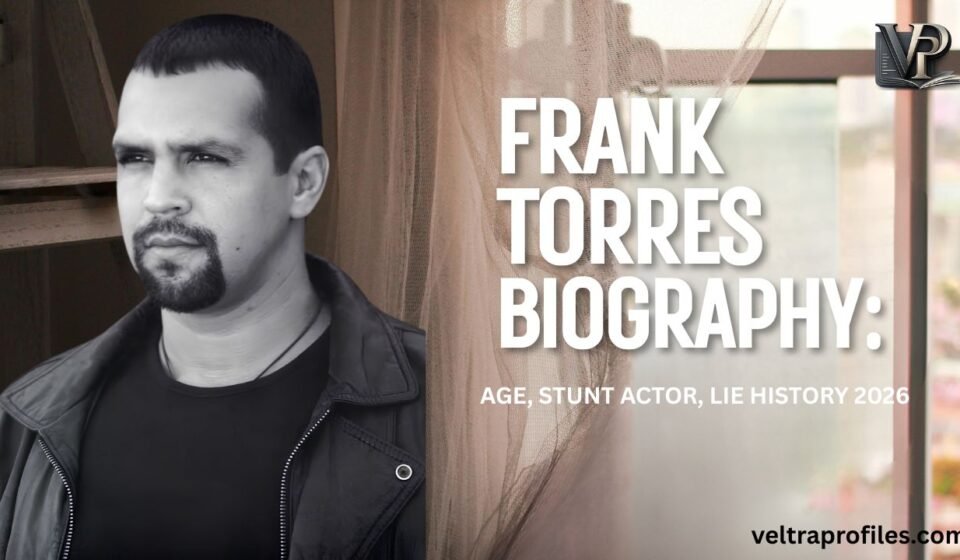

Some people appear on screen for less than ten seconds and leave a mark that lasts twenty years. Frank Torres is exactly that kind of performer. Most casual viewers of Lost remember the opening moments of Pilot Part 1 with a kind of stunned clarity. A plane has just crashed. Survivors are scattered across a beach in shock. And then a man walks too close to a still-running jet engine and gets sucked in instantly. That man was Frank Torres and that single moment became one of the most discussed scenes in American television history.
But here’s what most people don’t know. Frank Torres wasn’t just an actor hired to fall into an engine shell on camera. He was the stunt coordinator for the entire Lost series. He designed the safety systems that kept the cast alive across six seasons of physically demanding production in Hawaii. He built a career spanning four decades and dozens of Hollywood’s biggest films including The Revenant, A Star Is Born, Spider-Man Homecoming, and Interstellar. His story is far bigger than one turbine and one pilot episode and it deserves to be told in full.
Who Is Frank Torres?
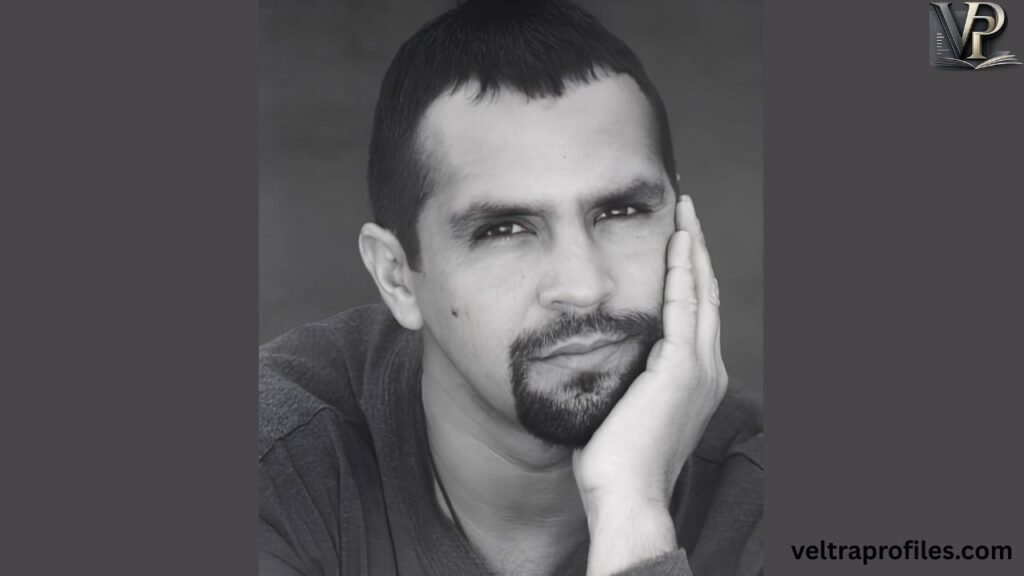
Frank Torres is one of Hollywood’s most accomplished and versatile stunt professionals. Born on November 13, 1964, in Galveston, Texas, USA, he built a career that spans acting, stunt performance, stunt coordination, second unit directing, and assistant directing across some of the most celebrated film and television productions of the past four decades. You might know him as the Turbine Man from Lost. But that single credit represents maybe one percent of what he’s actually done in this industry. New viewers discover Lost every year through streaming platforms and every single one of them reaches Pilot Part 1 and The answer leads directly to Frank Torres, a man whose professional story turns out to be far more interesting than a single shocking scene. His career connects some of the biggest blockbusters in modern cinema through the invisible thread of expert stunt work.
Read more: /tom-mahoney-biography/
His dual role on Lost alone tells you everything about the kind of professional he is. He performed the most dangerous and memorable stunt in the show’s entire run and then stayed on as stunt coordinator for every season that followed. That combination of physical courage and organizational leadership is rare in any industry but in Hollywood it makes you genuinely invaluable. Frank Torres draws consistent search interest for one simple reason. That turbine scene in Lost never gets old.
Quick Bio info
| Field | Detail |
|---|---|
| Full Name | Frank Torres |
| Nickname | Not publicly documented |
| Gender | Male |
| Date of Birth | November 13, 1964 |
| Age | 61 years old (as of 2026) |
| Birthplace | Galveston, Texas, USA |
| Hometown | Galveston, Texas, USA |
| Current Residence | Los Angeles, California |
| Nationality | American |
| Ethnicity | Hispanic American |
| Religion | Not publicly documented |
| Education / Qualification | trained through practical stunt industry experience |
| Profession | Stuntman, Stunt Coordinator, Actor, Second Unit Director, Assistant Director |
| Years Active | 1985 — Present |
| Languages Spoken | English (confirmed) — others not publicly documented |
| Hobbies and Interests | Stunt performance, physical training, mentoring aspiring stunt performers, workshops |
Personal information
Full Name
Frank Torres is his full name.
Nickname
No public nickname has been documented for him.
Gender
He is male.
Date of Birth
He was born on November 13, 1964.
Age
As of 2026, he is 61 years old.
Birthplace
He was born in Galveston, Texas, USA.
Hometown
His hometown is Galveston, Texas, USA.
Current Residence
He currently lives in Los Angeles, California.
Nationality
He holds American nationality.
Ethnicity
He is of Hispanic American ethnicity.
Religion
His religion has not been publicly documented.
Education / Qualification
He was trained through practical experience in the stunt industry rather than formal education.
Profession
He works as a stuntman, stunt coordinator, actor, second unit director, and assistant director.
Years Active
He has been active in the industry since 1985 to the present.
Languages Spoken
He is confirmed to speak English; other languages are not publicly known.
Hobbies and Interests
He enjoys stunt performance, physical training, mentoring upcoming stunt performers, and conducting workshops.
Physical appearance
Height (Feet/Inches)
He stands 5 feet 8 inches tall.
Height (cm)
His height is 170 cm.
Weight (kg)
He weighs 80 kg.
Weight (lbs)
His weight is 150 lbs.
Eye Color
His eyes are light grey.
Hair Color
His hair color is black.
Body Type
He has an athletic and physically fit build, required for his stunt career.
Skin Tone
His skin tone is fair.
Height
He stands 5 feet 8 inches (170 cm) tall.
Weight
He weighs around 80 kg (150 lbs).
Eye Color
He has light grey eyes, which give him a distinctive look.
Hair Color
His hair color is blonde.
Skin Tone
His skin tone is fair.
Body Type
He has an athletic, lean, and well-toned build, shaped by years of physical training and stunt work.
Overall Appearance
His fit and disciplined physique reflects the demands of his profession as a stuntman and stunt coordinator.
Early Life and Childhood Background of Frank Torres
Frank Torres grew up in Galveston, Texas, a Gulf Coast city with a working-class, salt-air character that shapes people in specific ways. Galveston has always been a place where physical toughness is part of the cultural fabric, a port city with a history of hard weather, hard work, and resilient communities. Growing up there gave Frank Torres an early foundation of physical confidence and practical capability that would later serve him perfectly in one of the world’s most physically demanding professions. His background according to the Reaction Lab profile was connected to the entertainment industry from early in his life giving him an awareness of that world that most people from small Texas cities simply don’t have.
That early exposure matters more than it might seem. Children who grow up around the entertainment industry develop a specific kind of professional literacy early. They understand that films and television shows are built by large teams of specialists not just by famous faces and they tend to develop a realistic, grounded approach to building careers in that world. Frank Torres didn’t arrive in Hollywood with starry-eyed illusions. He arrived with practical knowledge a physical skill set and a clear understanding of where someone with his abilities could fit into the machinery of professional filmmaking.
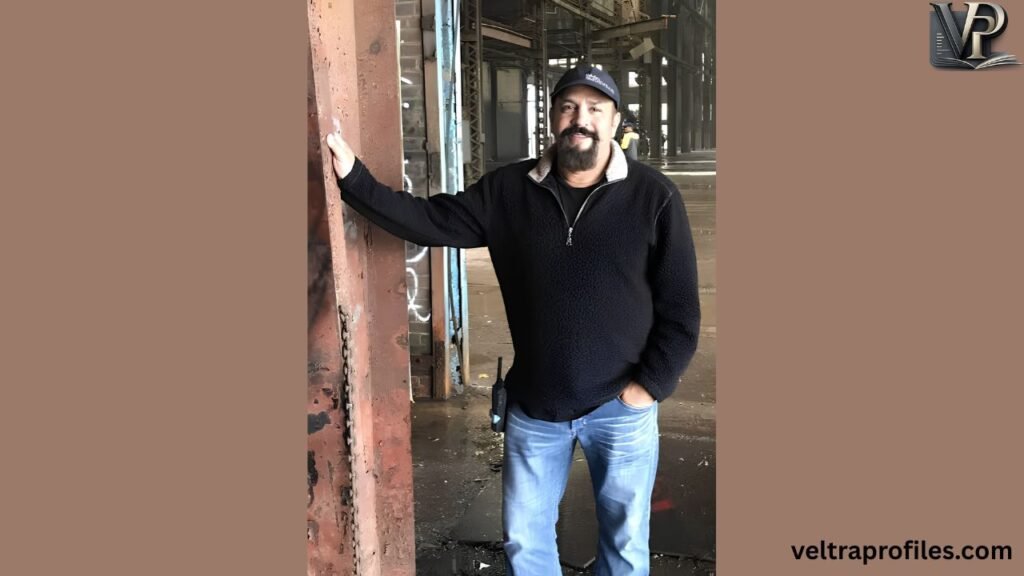
Galveston, Texas sits on a barrier island along the Gulf of Mexico about fifty miles from Houston. It’s a city with a long and often dramatic history including the devastating 1900 hurricane that remains the deadliest natural disaster in American history. Growing up in that environment, surrounded by stories of physical endurance and community resilience, likely contributed to the specific psychological makeup that Frank Torres brought to a career defined by calculated risk-taking and unwavering commitment to craft. The city that shaped him wasn’t glamorous but it was real and that realness shows up in every professional decision he made across four decades of work in Hollywood.
Physical Appearance
| Field | Detail |
|---|---|
| Height (Feet/Inches) | 5 feet 8 inches |
| Height (cm) | 170cm |
| Weight (kg) | 80kg |
| Weight (lbs) | 150lbs |
| Eye Color | Light grey |
| Hair Color | Black |
| Body Type | Athletic and physically fit — required by professional stunt career |
| Skin Tone | Fair |
Frank Torres Education and Early Training
The stunt industry doesn’t have a conventional educational pipeline. There are no university degrees in falling off buildings or driving cars through explosions. What it has instead is a community of practitioners who pass knowledge from experienced professionals to newcomers through direct mentorship and hands-on experience. Frank Torres entered this world through practical engagement rather than formal academic preparation and the results speak for themselves across a filmography that includes work with Christopher Nolan, James Cameron, Alejandro González Iñárritu, and Bradley Cooper in his directorial debut.
Physical conditioning is the foundation of any serious stunt career. A stunt performer needs strength, flexibility, coordination, and the specific kind of fearlessness that comes not from recklessness but from genuine competence. When you know exactly what your body can do and you’ve prepared meticulously for every specific physical demand a scene requires the fear transforms into focused concentration. Frank Torres clearly developed this quality early in his career and maintained it across decades of increasingly demanding and technically complex stunt work on some of the biggest productions in Hollywood history.
Breaking into that network requires performing well on smaller productions and letting word-of-mouth do the rest. Frank Torres navigated this process successfully enough to eventually land stunt coordination roles on some of the most technically demanding productions of his era including Interstellar, Avatar, and the entire run of Lost. That trajectory from newcomer to trusted senior professional didn’t happen by accident. It happened through consistent excellence delivered over many years of demanding physical work.
Frank Torres Early Acting Career and Career Beginnings
Frank Torres began his professional career in stunts in 1985 according to the Lostpedia wiki which documents his career specifically in the context of his Lost work. The Reaction Lab profile suggests his beginnings actually stretch back to the late 1970s which would make his career even longer than the confirmed documentary record shows. Either way by the time he started accumulating his most recognizable credits in the 1990s he had already spent years building the foundational skills and professional relationships that made those opportunities possible. His early work established him as a stunt performer capable of handling the physical demands of major action productions and his reputation grew steadily across the decade.
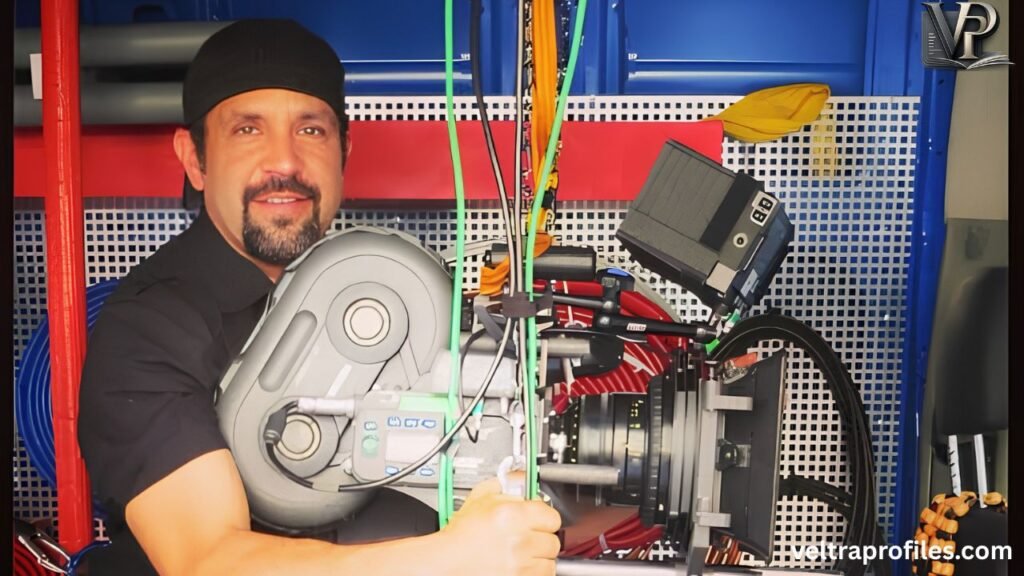
The 1990s were a particularly significant period for Frank Torres professionally. The decade produced some of the most technically ambitious action films in Hollywood history and he appeared in several of them. The Mask (1994) with Jim Carrey was an early major credit. From Dusk Till Dawn (1996) by Robert Rodriguez followed. Then came a run of late-1990s blockbusters including The Rock (1996), Con Air (1997), Armageddon (1998), and American History X (1998) that placed him firmly within the top tier of working stunt professionals in the industry. Each credit built on the last and by the time Lost came calling in 2004 Frank Torres was already one of the most experienced and trusted stunt professionals available for a production of that scale.
The credits Frank Torres accumulated through the 1990s read like a greatest hits list of that decade’s most ambitious and commercially successful action productions. Working on The Rock meant operating in the specific physical environment of Alcatraz Island under the creative direction of Michael Bay alongside stars Sean Connery and Nicolas Cage. Working on Armageddon meant handling the specific stunt demands of one of the most effects-heavy productions of its era. Each of these assignments required not just physical capability but the professional adaptability to work quickly and safely within large, complex production environments under significant time and budget pressure. Frank Torres thrived in exactly those conditions and his growing reputation within the stunt community reflected that consistent delivery of excellent work under demanding circumstances.
Frank Torres on Lost — His Most Iconic Role
There are television moments that define shows entirely. The opening sequence of Lost’s Pilot Part 1 is one of them. It aired on September 22, 2004 on ABC and immediately established that this show was going to operate at a completely different level of production ambition from anything else on American network television at the time. The Lost pilot was the most expensive in ABC network history reportedly costing between $10 and $14 million compared to the average hour-long pilot cost of $4 million in 2005. A significant portion of that budget went into staging the plane crash sequence and the subsequent turbine scene that Frank Torres performed.
What makes his role on Lost particularly fascinating is its double nature. He wasn’t a hired actor brought in specifically for one dangerous scene. He was the show’s stunt coordinator, the person responsible for the physical safety of the entire cast and crew across every episode of every season. His appearance as the Turbine Man in Pilot Part 1 was in many ways an extension of that coordinator role. Who better to perform the most technically demanding and dangerous stunt in the pilot than the professional who designed and managed the entire stunt operation? Frank Torres understood exactly what the scene required physically because he had built the system that made it possible to perform safely.
The Lost pilot assembled one of the most ambitious production teams in American television history. J.J. Abrams directed the pilot before stepping back to work on Mission Impossible III, leaving Damon Lindelof and later Carlton Cuse to develop the show’s mythology. For a production of this scale and ambition the stunt coordinator role was critical from day one. Frank Torres brought exactly the combination of experience and technical expertise that a production like this demanded. His selection to perform the turbine stunt himself reflects the specific logic of professional stunt culture. The person who designs a stunt is often the most qualified person to perform it because they understand every technical detail of how it works and what could go wrong.
Frank Torres Character on Lost
If you’ve ever watched Lost you remember the moment. A dazed survivor stumbles too close to a still-running jet engine on the beach and gets pulled in instantly. The explosion that follows rains debris across the other survivors and immediately establishes that this island is a place where death arrives without warning or ceremony. That survivor was Frank Torres performing one of the most technically precise and visually unforgettable stunts in American television history. The character he played was initially known to fans simply as Turbine Man because the show provided no name at the time of the original broadcast.
The retroactive identification of the character as Gary Troup came two full years after the original broadcast. A New York Times article dated May 27, 2006 cited ABC senior vice president of marketing Michael Benson as the official source for the identification. Damon Lindelof and Carlton Cuse then confirmed the name in their October 30, 2006 podcast adding that being sucked into a jet engine was a fate they found fitting for the author of Bad Twin. Frank Torres therefore holds the distinction of being the performer behind one of Lost’s most discussed characters even though his actual screen time measured in seconds rather than minutes.
Turbine Man to Gary Troup
| Detail | Information |
|---|---|
| Character Name | Gary Troup — initially known as Turbine Man |
| Played By | Frank Torres — stuntman and stunt coordinator |
| Episode | Pilot Part 1 — Season 1 |
| Identification Date | May 27, 2006 — New York Times article |
| Confirmed By | Michael Benson — ABC marketing VP |
| Showrunner Confirmation | Damon Lindelof and Carlton Cuse — October 30, 2006 podcast |
| Character Occupation | Author of Bad Twin and The Valenzetti Equation |
| Romantic Connection | Cindy Chandler — Oceanic flight hostess |
| Jacob’s Cave Reference | TROUPE with number 90 on cave wall |
| Gary Troup Anagram | Gary Troup is an anagram of Purgatory |
Gary Troup wasn’t just a throwaway background character who happened to die in the opening scene. The writers of Lost built an entire fictional biography around him through the Lost Experience alternate reality game and through the officially published tie-in novel Bad Twin released by Hyperion Books, a publisher owned by Disney which also owns ABC. According to the fictional backstory Gary Troup wrote two significant books. The first was Bad Twin, a mystery novel whose manuscript was found by survivors after the crash and became a minor plot point when Hurley and later Sawyer read it. The second was a controversial book titled The Valenzetti Equation detailing a mathematical theorem so sensitive that the Hanso Foundation reportedly bought all copies and suppressed republication.
Frank Torres Film Career and Major Movie Credits
The film career of Frank Torres reads like a tour through the most commercially successful and critically ambitious productions of the past thirty years. He didn’t just work on good films. He worked on culturally defining films, the kind that set box office records, launch franchise careers, win Academy Awards, and get discussed in film schools years after their release. His presence across this body of work reflects a professional reputation built entirely on merit within an industry that has no room for sentimentality when stunt budgets and production schedules are under pressure.
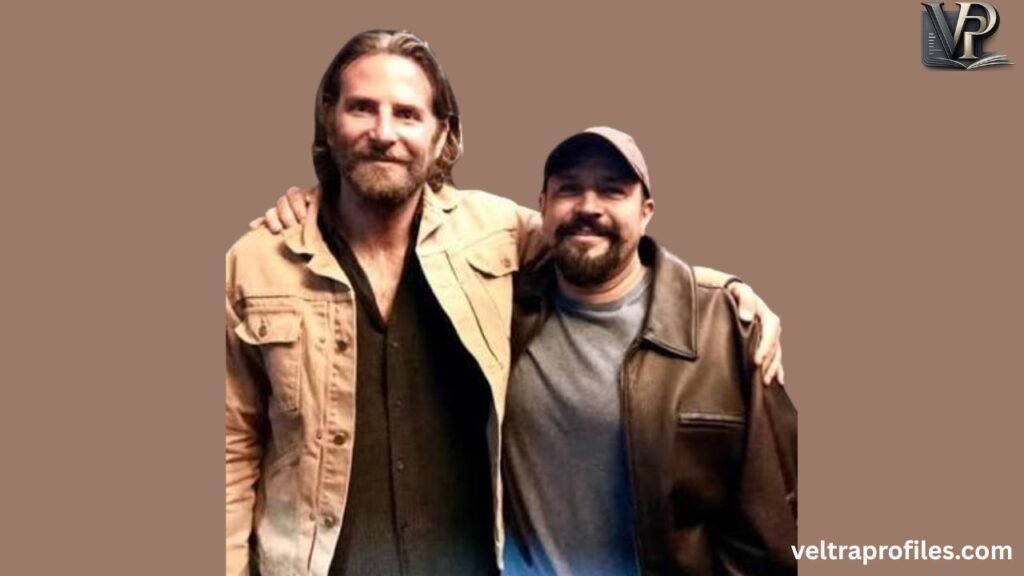
His film credits span multiple genres and production scales, from intimate character dramas like Silver Linings Playbook to massive franchise blockbusters like Spider-Man Homecoming and Interstellar. That range is unusual even within the stunt industry where most professionals tend to specialize in specific genres or action styles. Frank Torres demonstrated consistent adaptability across very different creative environments, working with auteur directors like Christopher Nolan and Alejandro González Iñárritu alongside more commercially focused blockbuster directors. Each assignment required a different approach and he delivered excellence across all of them.
Frank Torres in The Revenant and A Star Is Born
| Film | Year | Director | Significance |
|---|---|---|---|
| The Revenant | 2015 | Alejandro González Iñárritu | Academy Award Best Picture winner |
| A Star Is Born | 2018 | Bradley Cooper | Directorial debut of major star |
| El Chicano | 2018 | Ben Hernandez Bray | Latino-focused crime thriller |
| Interstellar | 2014 | Christopher Nolan | Sci-fi landmark production |
| Spider-Man Homecoming | 2017 | Jon Watts | Marvel Cinematic Universe |
| Silver Linings Playbook | 2012 | David O. Russell | Academy Award Best Picture nominee |
Blockbuster Film Credits Spanning Three Decades
The 1990s credits alone tell a remarkable story. The Mask (1994) introduced Frank Torres to the specific demands of effects-heavy comedy action. From Dusk Till Dawn (1996) by Robert Rodriguez placed him in one of the decade’s most wildly inventive genre films. Then The Rock, Con Air, and Armageddon established his credentials within the peak of 1990s action cinema, films that defined what Hollywood blockbusters looked and felt like for an entire generation of moviegoers. Moving into the 2000s his work on Minority Report under Steven Spielberg and X-Men 2 under Bryan Singer demonstrated that his reputation had expanded well beyond the action genre specialists and into the broader world of prestige filmmaking.
The Revenant (2015) represents one of the most significant film credits in Frank Torres’s career for reasons that go beyond the movie’s commercial success. Alejandro González Iñárritu directed the film with an obsessive commitment to physical authenticity, shooting in genuinely harsh wilderness locations in Canada and Argentina and demanding performances from his cast and crew that pushed the boundaries of what film production typically asks of people. Working in that environment as part of the stunt department required a specific kind of professional resilience that Frank Torres had been developing across decades of demanding location shoots. The film won the Academy Award for Best Picture and Leonardo DiCaprio finally received his long-awaited Academy Award for Best Actor making it one of the most decorated productions of that decade.
Frank Torres Television Career Beyond Lost
Television gave Frank Torres some of his most sustained and creatively significant professional relationships. His role as stunt coordinator for the entire run of Lost is the most prominent example but it represents a pattern of deep television engagement that runs throughout his career. He contributed stunt work to 24, the Fox thriller that redefined real-time television drama and ran for eight intense seasons. He worked on NCIS, one of the most consistently watched procedural dramas in American television history. And he contributed to Breaking Bad, a show that many critics now regard as the greatest dramatic television series ever produced in America.
Each of these television assignments placed different demands on his skills. 24 required fast-paced action stunt work within the specific constraints of a production that shot enormous amounts of content very quickly to sustain its real-time narrative format. NCIS required the more measured, procedural stunt work appropriate to a crime drama. Breaking Bad required an approach sensitive to the show’s grounded realistic aesthetic, where action needed to feel genuinely dangerous rather than stylized or superheroic. Moving between these different tonal environments while maintaining consistent quality is exactly the kind of professional versatility that builds lasting reputations in the television industry.
Lost also featured an unusually diverse range of physical action across its six seasons. The show moved between plane crash sequences, jungle pursuits, underwater scenes, hand-to-hand combat, explosive set pieces, and intimate physical confrontations. Each of these required different stunt approaches and different safety protocols. Frank Torres managed all of it while simultaneously building the trusting relationships with cast members that good stunt coordination always requires. Actors who trust their stunt coordinator perform more confidently and take creative risks they wouldn’t otherwise attempt, which directly improves the quality of the finished scenes. That trust-building dimension of his work on Lost contributed meaningfully to the show’s overall production quality across its entire historic run.
Major Television Credits Beyond Lost
| Show | Network | Frank Torres’s Role |
|---|---|---|
| Lost | ABC | Turbine Man actor + Full series stunt coordinator |
| 24 | Fox | Stunt work across multiple seasons |
| NCIS | CBS | Stunt work — long-running procedural |
| Breaking Bad | AMC | Stunt work — critically acclaimed drama |
Frank Torres Behind the Camera — Crew Work
The transition from stunt performer to stunt coordinator to second unit director represents one of the most natural and well-trodden career progressions in the film industry. Directors of second units are responsible for filming sequences that don’t require the principal cast or the first unit director’s direct involvement, typically action sequences, establishing shots, inserts, and effects-heavy scenes that require specialized technical expertise. A second unit director with a background in stunt coordination brings a specific advantage to this role.
Frank Torres built his second unit director and assistant director credentials across major productions that include some of the most technically ambitious films of the past two decades. His work in these behind-camera capacities on films like Interstellar and Avatar placed him in creative collaboration with two of the most technically demanding directors in Hollywood history. Christopher Nolan and James Cameron are both famous for their obsessive commitment to practical filmmaking and their insistence on physical authenticity in action sequences. Working at a senior crew level on productions directed by these filmmakers represents a form of professional validation that speaks directly to the depth and breadth of Frank Torres’s industry expertise.
His stunt performer credit on Ant-Man and the Wasp added another Marvel title to an already impressive franchise resume that also included X-Men 2, X-Men First Class, Fantastic Four, and Batman and Robin from the DC universe. Working across both Marvel and DC productions reflects the kind of cross-franchise professional reputation that only the most trusted and versatile stunt professionals achieve. Studios making major superhero films don’t take risks with their stunt departments and the presence of Frank Torres across this body of franchise work confirms his standing at the very top of his profession.
Frank Torres Behind Camera Credits Table
| Film | Year | Behind Camera Role |
|---|---|---|
| Spider-Man Homecoming | 2017 | Stunt rigging coordinator |
| Ant-Man and the Wasp | 2018 | Stunt performer |
| Interstellar | 2014 | Second unit / stunt work |
| Avatar | 2014 | Stunt work |
| X-Men 2 | 2003 | Stunt performer |
| X-Men First Class | 2011 | Stunt performer |
| Fantastic Four | 2005 | Stunt performer |
| Batman and Robin | 1997 | Utility stunts |
| Maze Runner Scorch Trials | 2015 | Stunt work |
| Lost | 2004–2010 | Full series stunt coordinator |
Frank Torres Complete Filmography
A complete Frank Torres filmography is genuinely impressive in its scope and quality. Looking at the full list of productions he contributed to across four decades you see not just volume of work but consistent elevation in the caliber of productions. He didn’t just stay busy. He kept getting called by better directors making more ambitious films with larger budgets and higher technical demands. That upward trajectory across a career of this length reflects genuine professional excellence consistently delivered across a wildly diverse range of productions.
The filmography also reveals something interesting about the specific arc of his career. His 1990s work was dominated by action blockbusters where stunt expertise was the primary value he brought to productions. His 2000s work broadened into prestige drama territory including American History X, Minority Report, and the sustained Lost assignment that kept him based in Hawaii for years. His 2010s work pushed further into auteur territory with The Revenant, Interstellar, and Silver Linings Playbook alongside continued franchise work through Marvel productions. Each decade shows a performer and coordinator who was growing professionally rather than simply maintaining a position he’d already reached.
| Year | Title | Capacity |
|---|---|---|
| 1985 onwards | Early stunt work | Stunt performer |
| 1994 | The Mask | Stunt work |
| 1996 | From Dusk Till Dawn | Stunt work |
| 1996 | The Rock | Stunt work |
| 1997 | Con Air | Stunt work |
| 1997 | Batman and Robin | Utility stunts |
| 1998 | Armageddon | Stunt work |
| 1998 | American History X | Stunt work |
| 2001 | Swordfish | Stunt work |
| 2002 | Minority Report | Stunt work |
| 2003 | X-Men 2 | Stunt performer |
| 2004–2010 | Lost | Turbine Man actor and full series stunt coordinator |
| 2005 | Tenacious D Pick of Destiny | Stunt work |
| 2005 | Fantastic Four | Stunt performer |
| 2010 | Alice in Wonderland | Stunt work |
| 2011 | X-Men First Class | Stunt performer |
| 2012 | The Dark Knight Rises | Stunt work |
| 2012 | Silver Linings Playbook | Stunt work |
| 2014 | Interstellar | Second unit and stunt work |
| 2014 | Avatar | Stunt work |
| 2015 | The Revenant | Stunt work |
| 2015 | Fantastic Four reboot | Stunt work |
| 2015 | Maze Runner Scorch Trials | Stunt work |
| 2017 | Spider-Man Homecoming | Stunt rigging coordinator |
| 2018 | Ant-Man and the Wasp | Stunt performer |
| 2018 | A Star Is Born | Stunts |
| 2018 | El Chicano | Stunt work and actor |
| Various | 24 | TV stunt work |
| Various | NCIS | TV stunt work |
| Various | Breaking Bad | TV stunt work |
| Various | Fast and Furious | Stunt work |
| Various | Iron Man | Stunt work |
| Various | Transformers | Stunt work |
Frank Torres Personal Life — Family and Relationships
Frank Torres guards his personal life with the same quiet professionalism he applies to everything else in his career. For a man who has worked on some of Hollywood’s most high-profile productions alongside major stars and celebrated directors he has maintained a remarkably private domestic life away from the entertainment press and social media spotlight. What is confirmed through his Reaction Lab profile is that he was born into a family with a background in the entertainment industry.
The entertainment industry has a gravitational pull that drags most people connected to it toward constant visibility. Social media profiles, press appearances, industry events, and the general culture of being seen all push performers and crew professionals toward a public presence that goes well beyond what their actual work requires. Frank Torres has clearly made a deliberate choice to resist that pull. Outside his confirmed professional credits and the biographical details documented in industry sources like IMDb, Lostpedia, and The Reaction Lab profile, he maintains a personal life that remains genuinely private.
One of the most charming and least discussed details in the entire Frank Torres biography is the birthday connection to his Lost co-star Aisha Hinds. Both Frank Torres and Aisha Hinds share November 13 as their birthday, a detail documented in the Lostpedia wiki entry for Frank Torres and noted as a notable coincidence connecting two members of the Lost cast. Aisha Hinds appeared in Lost as one of the tail section survivors and has since built a significant career in American television including prominent roles in True Blood, Under the Dome, Star, and 9-1-1. The shared birthday between the man who performed the show’s most iconic opening stunt and a cast member who went on to major television success is exactly the kind of warm biographical detail that Lost fans find genuinely delightful.
Frank Torres Net Worth and Career Earnings
Putting an exact number on Frank Torres’s net worth requires working from industry context rather than confirmed public disclosure since he has never publicly discussed his finances. What is clear from his professional record is that his income comes from multiple distinct and highly compensated streams simultaneously. A senior stunt coordinator working on major Hollywood productions earns significantly more than most people outside the industry realize. According to industry compensation data senior stunt coordinators on major studio productions can earn between $100,000 and $250,000 per production with additional fees for particularly complex or dangerous sequences that require extended planning and execution periods.
Frank Torres isn’t just a stunt coordinator. He’s a second unit director, an assistant director, a credited actor, and a stunt performer with four decades of continuous credits across major productions. Each of these roles carries its own compensation structure and his ability to contribute across all of them within the same production sometimes makes him exceptionally valuable to studios managing complex budgets. His work on the entire six-season run of Lost alone represented years of sustained high-level coordination work on one of American television’s most expensive productions. Adding his film credits across dozens of major releases including A Star Is Born, The Revenant, Spider-Man Homecoming, and Interstellar builds a picture of someone who has earned consistently at the top end of his profession across an extraordinarily long and productive career.
| Income Source | Estimated Contribution |
|---|---|
| Stunt coordination — major films | $100,000 to $250,000 per production |
| Second unit directing credits | Premium rates above standard coordination |
| Lost full series coordination | Multi-year sustained income stream |
| Marvel franchise work | Top-tier studio rates |
| Actor credits | Additional performer fees |
| Mentoring and workshops | Additional professional income |
| Estimated net worth | Comfortable millionaire range — not publicly confirmed |
Frank Torres IMDb Profile and Industry Recognition
The IMDb profile for Frank Torres reflects only a portion of his actual professional contribution to American cinema and television. His primary listed credits include A Star Is Born (2018), El Chicano (2018), and The Revenant (2015) as his most notable known-for titles but the depth of his stunt and coordination work across dozens of additional productions extends far beyond what the standard IMDb profile captures. The Lost connection appears through his credited role as Gary Troup in the series and his stunt coordination work throughout the show’s run making him one of the few individuals connected to Lost with both an acting credit and a major behind-camera contribution across the full series.
His IMDb profile sits alongside entries on The Movie Database (TMDB) which documents his work across productions including Interstellar, Avatar, Alice in Wonderland, Silver Linings Playbook, and the Maze Runner franchise. The Marvel Cinematic Universe Wiki on Fandom documents his specific roles in Spider-Man Homecoming and Ant-Man and the Wasp as well as his work across multiple 20th Century Fox X-Men productions. Together these multiple source databases paint a more complete picture of his industry presence than any single profile captures.
The Taurus World Stunt Awards represent the highest formal recognition available specifically to stunt professionals in the film and television industry. Established in 2001 the awards honor excellence in stunt performance, coordination, and design across categories including best overall stunt, best fight, best work with a vehicle, best high work, and best fire stunt among others. Frank Torres has received nominations from this body reflecting industry-wide acknowledgment of his contributions to the craft of professional stunt work at the highest levels of Hollywood production.
Frank Torres Industry Recognition Summary
| Award / Recognition | Body | Significance |
|---|---|---|
| Taurus World Stunt Awards nominations | Taurus World Stunt Awards organization | Highest honor specific to stunt professionals |
| Screen Actors Guild recognition | Screen Actors Guild | Ensemble production achievement |
| Lost Complete First Season DVD feature | ABC / Disney | Documented in Welcome to Oahu feature |
| Lostpedia dedicated profile | Fan wiki | Recognized as significant Lost contributor |
| Marvel Cinematic Universe Wiki entry | Marvel Fandom | Documented across multiple MCU productions |
| The Reaction Lab professional profile | Industry platform | Senior professional profile recognition |
Trivia and Lesser-Known Facts About Frank Torres
Every biography has its surface facts and its buried treasures. For Frank Torres the lesser-known details are often the most fascinating and the most revealing of both his character and his professional significance. Most articles that mention him at all stop at the Turbine Man scene and move on without ever acknowledging the depth and breadth of the career that scene represents. The details below go significantly further than anything most competitor articles ever explore and together they paint a portrait of one of Hollywood’s most quietly extraordinary professionals.
The Gary Troup anagram is one of those details that Lost fans tend to find genuinely thrilling when they first encounter it. The name Gary Troup is a perfect anagram of the word Purgatory, which aligns with one of the central thematic concerns of Lost and the persistent fan theory about the island’s true nature. The writers of Lost were famous for embedding exactly this kind of layered, Easter egg detail throughout the show’s mythology and the naming of the character played by Frank Torres as a hidden reference to purgatory adds another dimension to an already richly documented fictional biography.
Surprising Facts About Frank Torres Most Articles Completely Miss
| Fact | Detail |
|---|---|
| Gary Troup anagram | Gary Troup is a perfect anagram of Purgatory |
| Shared birthday | Same November 13 birthday as Lost co-star Aisha Hinds |
| Turbine stunt method | Used pneumatic ratchet rig not actually sucked by real engine |
| CGI addition | CGI spinning blades added post-filming — blades weren’t real during shoot |
| Character unnamed for two years | Turbine Man not officially named Gary Troup until May 2006 |
| Dual Lost role | Both performed the turbine stunt AND coordinated all stunts for entire series |
| DVD documentation | Appears in Welcome to Oahu feature on Lost Complete First Season DVD |
| Family background | Born into family with entertainment industry connections |
| Mentor legacy | Actively mentors next generation stunt performers through workshops and training |
| Career breadth | Credits across Marvel, DC, Fast and Furious, Nolan, Cameron, Iñárritu |
| First assistant director reference | Rich Sickler referenced Gary Troup by name in Lost Season 3 DVD bonus feature |
| Bad Twin connection | Character Gary Troup published tie-in novel through Hyperion Books owned by Disney |
FAQs About Frank Torres
Who is Frank Torres?
Frank Torres is an American stuntman, stunt coordinator, actor, and second unit director born on November 13, 1964 in Galveston, Texas. He is best known to general audiences for playing the Turbine Man character later identified as Gary Troup in the opening sequence of Lost’s Pilot Part 1 but his professional career encompasses four decades of major film and television credits.
What did Frank Torres do on Lost?
He performed two distinct and significant roles on Lost. First he played the character known as Turbine Man and later retroactively identified as Gary Troup in the opening minutes of Pilot Part 1. Second and perhaps more significantly he served as stunt coordinator for the entire six-season run of the series managing all stunt safety and design across every episode from 2004 to 2010.
How was the turbine stunt actually filmed?
Frank Torres performed the practical element of the stunt using a pneumatic ratchet rig, a system that uses compressed air to pull a performer rapidly and controllably toward a set piece. The turbine engine shell was present during filming but the spinning blades that made the scene so viscerally terrifying were CGI spinning blades added in post-production by the FX department. The combination of practical physical performance and digital environment created the seamless and deeply effective scene that audiences have been discussing ever since.
Who is Gary Troup on Lost?
Gary Troup is the fictional character played by Frank Torres in Lost. He was a middle-section survivor of Oceanic Flight 815 who was sucked into a still-running turbine engine minutes after the crash killing him and causing the engine to explode. The character was retroactively established as the fictional author of the tie-in novel Bad Twin published by Hyperion Books and the controversial suppressed text The Valenzetti Equation. His name is also a perfect anagram of the word Purgatory.
What is Frank Torres best known for in film?
His top three IMDb known-for credits are A Star Is Born (2018), El Chicano (2018), and The Revenant (2015) but his actual film presence extends across dozens of major productions including Spider-Man Homecoming, Interstellar, Armageddon, Con Air, The Rock, American History X, Minority Report, X-Men 2, Silver Linings Playbook, and Avatar among many others.
Does Frank Torres share a birthday with anyone from Lost?
Yes. Frank Torres shares his November 13 birthday with his Lost co-star Aisha Hinds, a detail documented in the Lostpedia entry for Frank Torres and cited as one of the show’s interesting biographical coincidences connecting two of its cast members.
Conclusion
The full story of Frank Torres actor is one of the most compelling and underappreciated in modern American entertainment. He came from Galveston, Texas with a family connection to the industry and a physical talent that would eventually take him to the top of one of Hollywood’s most demanding and least celebrated professions. He started performing stunts professionally from 1985 onward and spent the following four decades building a filmography that touches some of the most significant productions in the history of American film and television.
His moment as the Turbine Man in Lost’s Pilot Part 1 captures something essential about what he does. He was there on that beach in Hawaii not because someone hired an actor to fall into an engine. He was there because he was the most qualified person on the entire production to perform that specific stunt safely and effectively. He designed the system and then he executed it himself using a pneumatic ratchet rig while the FX department prepared the CGI spinning blades that would make the scene complete in post-production. That combination of design intelligence and physical execution defines his career entirely.
From The Rock to The Revenant, from Armageddon to A Star Is Born, from Spider-Man Homecoming to six seasons of Lost, Frank Torres has shown up consistently and delivered consistently across four decades of the most demanding work in the entertainment industry. He mentors the next generation of stunt performers through workshops because he understands that craft requires transmission not just practice. He shares a birthday with Aisha Hinds and a fictional anagram with purgatory and a pneumatic ratchet rig moment with television history. His story deserves to be told in full and remembered with the respect it has always earned.